Early detection of skin cancer can significantly increase the chances of successful treatment. Dermatologists in San Luis Obispo, CA, emphasize the importance of skin screenings to identify potential skin issues before they become life-threatening. As skin cancer rates continue to rise, regular skin check-ups are essential for monitoring changes in your skin's health. By detecting abnormalities early, dermatologists can prevent the progression of harmful conditions such as melanoma, basal cell carcinoma, and squamous cell carcinoma. Let's explore why early screenings are recommended and how they can significantly affect your health.
The Importance of Early Skin Screenings:
Skin cancer remains one of the most prevalent cancers in the United States, with millions diagnosed each year. In San Luis Obispo, dermatologists are increasingly advocating for early screenings as part of proactive health management. The primary reason for these recommendations is the fact that skin cancer often develops slowly and is highly treatable when caught early. Here's why dermatologists in San Luis Obispo, CA, stress early screenings:
- Detecting Changes in Moles or Skin Growths: Skin cancer often starts with a slight change in existing moles or the appearance of new growths. Dermatologists are trained to spot subtle changes that an untrained eye might miss.
- Preventing Spread: When skin cancer is detected early, it can usually be treated before it spreads to other body parts, significantly improving the patient's prognosis.
- Reducing Treatment Costs: Early detection typically leads to simpler, less expensive, invasive treatments, which is beneficial for both the patient and the healthcare system.
Risk Factors for Skin Cancer:
Several factors can increase your risk of developing skin cancer, so regular check-ups are vital. Some of the most common risk factors include:
- Excessive Sun Exposure: Prolonged exposure to harmful UV rays from the sun can damage your skin over time, leading to skin cancer.
- Family History: If you have a family member who has had skin cancer, you may be more susceptible to developing it.
- Fair Skin and Light Eyes: People with lighter skin tones and lighter eyes are more prone to skin damage from UV rays, increasing their risk of skin cancer.
What to Expect During a Skin Screening?
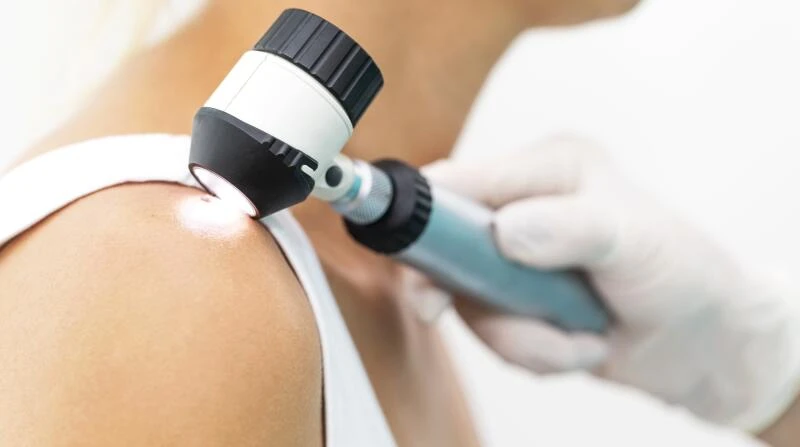
A typical skin screening involves a dermatologist's thorough examination of your skin. The dermatologist will check for irregularities in moles or other skin growths and assess your skin's overall health. If something unusual is spotted, the dermatologist may recommend further tests, such as a biopsy, to determine if the growth is cancerous.
The procedure is quick, noninvasive, and painless, making it easy and effective for protecting your health.
How Often Should You Get Screened?
The frequency of skin screenings depends on your personal risk factors and skin condition. Dermatologists in San Luis Obispo, CA, generally recommend an annual skin check-up for most adults. However, if you have a history of skin cancer or other risk factors, your dermatologist may suggest more frequent visits.
Regular self-checks of your skin between appointments are also encouraged. Look for any changes in moles' size, shape, or color and report them to your dermatologist promptly.
Early skin screenings can be a lifesaver. San Luis Obispo dermatologists stress that a regular skin check can detect skin cancer at an early, treatable stage and prevent it from progressing unchecked. Make sure to schedule your screening today to protect your skin's health for the future.
Please don't wait until it's too late. Book a consultation with a trusted dermatologist in San Luis Obispo, CA, today and take the first step towards ensuring your skin health.

























Sign in to leave a comment.