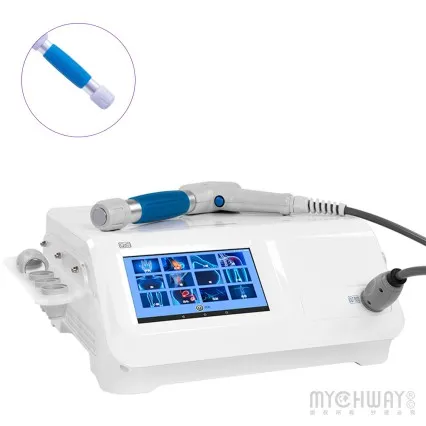

Living with persistent pain can be exhausting. At first, most people try the usual solutions. They rest the injured area, apply ice, take pain medication, or attend a few physical therapy sessions. Sometimes those treatments work. Sometimes they don't. That's often when healthcare providers begin discussing shockwave therapy as another option.
The interesting thing is that shockwave therapy doesn't simply focus on masking pain. Instead, it aims to stimulate the body's natural healing response. For people who have struggled with long-lasting tendon or muscle problems, that difference can be significant.
Understanding Shockwave Therapy
Shockwave therapy is a non-invasive treatment that uses acoustic sound waves to target damaged soft tissue. These high-energy waves are directed toward the affected area, where they encourage increased blood circulation and stimulate the body's natural repair processes.
A shockwave therapy machine delivers these controlled pulses without the need for surgery or injections. Most treatment sessions are relatively short, and patients can usually return to their normal routine shortly afterward.
Why Traditional Treatments Sometimes Fall Short
Chronic injuries often develop because damaged tissue never fully heals. Pain relievers may reduce discomfort for a few hours, while rest can temporarily calm inflammation. However, neither approach always addresses the underlying issue.
I've spoken with people who spent months trying different stretches, braces, or medications without much progress. Eventually, they simply learned to live with the discomfort. That happens more often than many people realize.
Shockwave therapy takes a different approach by encouraging biological healing instead of only managing symptoms.
How the Treatment Supports Recovery
When sound waves reach the injured tissue, they create controlled mechanical stimulation. This encourages blood vessel formation, improves circulation, and activates cells involved in tissue repair.
At the same time, the treatment may help break down calcified deposits that sometimes develop in chronic tendon conditions. As healing progresses, many patients notice gradual improvements in mobility and reduced discomfort.
Recovery usually takes time. Some people experience relief after only a few sessions, while others require a longer treatment plan. There really isn't a single timeline that fits everyone.
Conditions Commonly Treated
Healthcare professionals often recommend shockwave therapy for chronic musculoskeletal conditions, including:
- Plantar fasciitis
- Tennis elbow
- Golfer's elbow
- Achilles tendinopathy
- Shoulder tendinitis
- Patellar tendinopathy
- Chronic muscle tightness
These conditions often respond poorly to conventional treatments, making alternative therapies worth considering.
The Role of a Shockwave Therapy Machine
A modern shockwave therapy machine allows practitioners to adjust treatment intensity based on the patient's condition and comfort level. Different settings can target both superficial and deeper tissues, depending on the injury being treated.
The treatment itself usually lasts between 15 and 30 minutes. During the session, patients may feel mild discomfort, particularly around sensitive areas, but most tolerate the procedure well.
Who May Benefit Most?
Shockwave therapy is often considered for individuals who have experienced pain for several months without significant improvement. It may also benefit people hoping to avoid surgery or reduce long-term reliance on pain medication.
That said, it isn't appropriate for everyone. Individuals with certain medical conditions, active infections, bleeding disorders, or pregnancy should consult a qualified healthcare professional before beginning treatment.
Setting Realistic Expectations
One of the biggest misconceptions is expecting immediate results. While some patients notice improvement fairly quickly, healing usually occurs gradually as the body's tissues repair themselves.
Following your provider's recommendations, staying active within safe limits, and completing the full treatment plan often contribute to better outcomes. Patience, although difficult sometimes, remains an important part of the recovery process.
Conclusion
When conventional treatments no longer provide lasting relief, shockwave therapy offers a different path by encouraging the body's natural healing mechanisms instead of simply reducing pain. A shockwave therapy machine delivers targeted acoustic energy that may help improve circulation, stimulate tissue repair, and support recovery from chronic musculoskeletal conditions.
Although results vary from person to person, many individuals find that combining shockwave therapy with rehabilitation exercises and healthy movement habits provides a practical, non-surgical option for managing persistent pain and restoring everyday function.
Ready to sculpt your dream body without the hefty price tag of clinical surgeries? Say hello to premium, salon-grade body contouring right from the comfort of home with MYCHWAY. As a global leader in professional-grade health and beauty equipment, MYCHWAY specializes in high-performance Ultrasonic Cavitation devices, Radio Frequency (RF) skin tightening systems, and Laser Lipo tech that actively melt away stubborn fat, smooth cellulite, and firm loose skin. Whether you are a spa professional upgrading your clinic or a fitness enthusiast looking to accelerate your stubborn belly fat loss journey, their safe, non-invasive, and beautifully engineered devices deliver real, visible results.






















Sign in to leave a comment.