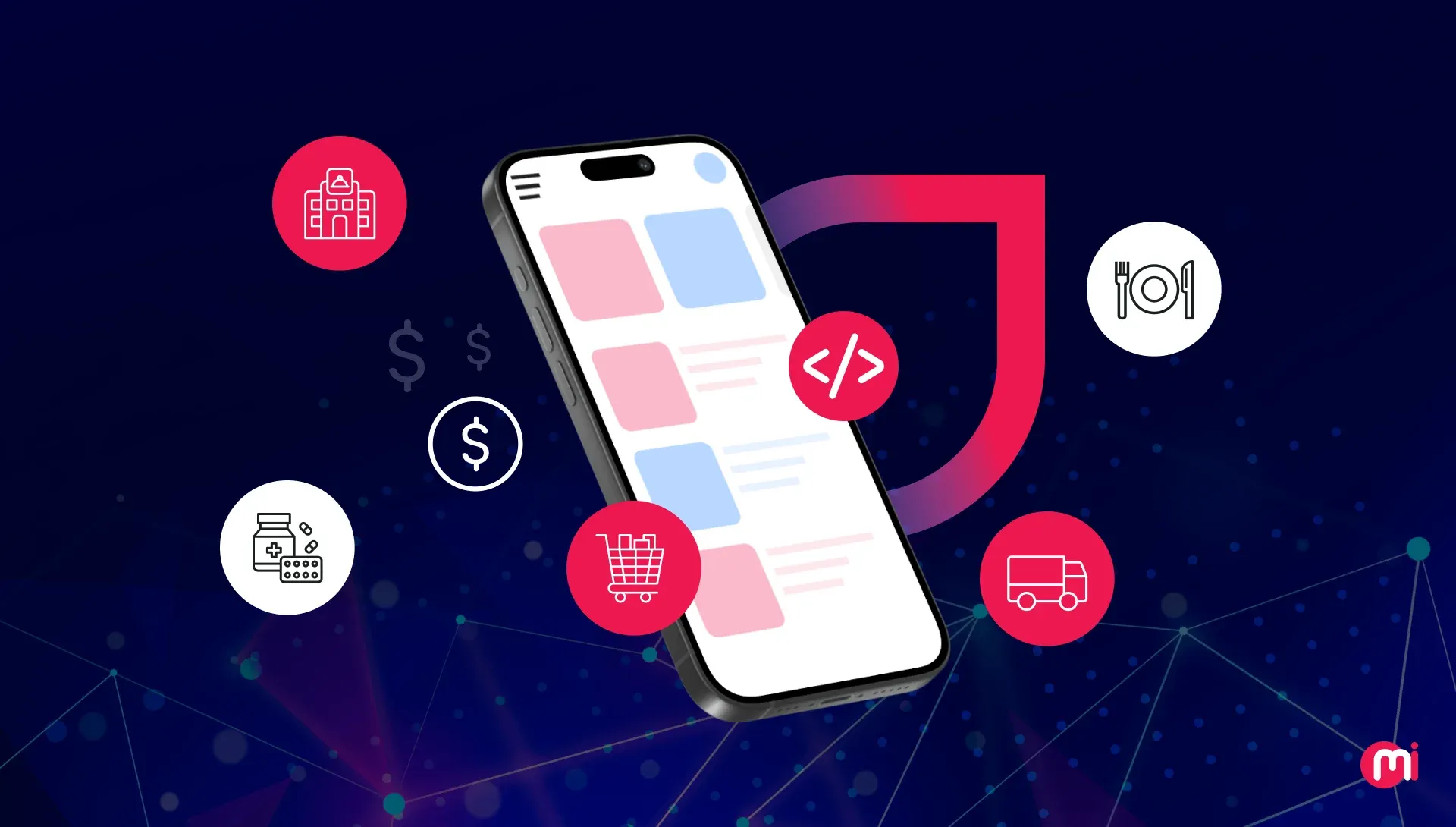

Modern users expect convenience, instant access, and seamless digital experiences across industries such as food delivery, healthcare, transportation, beauty, and home services. This growing demand has encouraged startups to invest in mobile applications that provide real-time services directly to users.
On demand applications have transformed the way businesses interact with customers. Instead of traditional booking methods or physical visits, customers can now access products and services with just a few taps on their smartphones. This shift has created significant opportunities for startups looking to establish a strong market presence.
Investing in on demand app development services helps startups improve customer engagement, streamline operations, and create scalable business models. Whether it is a delivery app, service marketplace, or booking platform, on demand solutions allow startups to meet customer expectations while generating sustainable revenue.
What is On Demand App Development?
On demand app development refers to the process of building mobile or web applications that connect customers with service providers instantly. These applications are designed to deliver products or services whenever users need them. Popular examples include ride-hailing apps, food delivery platforms, grocery delivery apps, and home service booking applications.
The main purpose of on demand apps is to provide convenience and speed. Customers can place orders, schedule services, track deliveries, make payments, and communicate with providers in real time. Businesses benefit from automated operations, improved customer reach, and better service management.
Most on demand applications consist of three main panels:
- Customer App
- Service Provider App
- Admin Dashboard
The customer app allows users to browse services, place orders, and make payments. The service provider app helps vendors manage requests and track earnings. The admin panel controls the entire system, including users, transactions, analytics, and customer support.
With increasing smartphone usage and internet accessibility, startups are rapidly adopting on demand app development services to build user-friendly digital platforms.
Why Startups Are Choosing On Demand App Development?
Growing Customer Demand
Customers today prefer instant solutions rather than waiting for traditional services. On demand apps satisfy this need by offering quick booking, real-time tracking, and secure online payments. Startups can attract more users by providing convenience and faster service delivery.
Scalable Business Model
On demand platforms are highly scalable. Startups can begin operations in a single city and gradually expand into multiple locations. As demand increases, additional services and features can also be added without rebuilding the platform from scratch.
Better Customer Engagement
Mobile apps help startups stay connected with customers through notifications, offers, loyalty programs, and personalized recommendations. Regular engagement increases customer retention and brand loyalty.
Increased Revenue Opportunities
On demand platforms generate revenue through multiple channels such as commissions, subscriptions, advertisements, delivery charges, and premium memberships. This flexibility allows startups to build sustainable income streams.
Competitive Advantage
Startups that adopt digital solutions early can gain a strong competitive edge. Businesses using on demand app development services can offer faster and more efficient experiences compared to traditional competitors.
Data-Driven Decision Making
On demand apps collect valuable customer data such as preferences, order history, and buying behavior. This information helps startups improve marketing strategies and optimize services according to customer needs.
Must-Have Features of a Successful On Demand App
User Registration and Profile Management
Simple sign-up options using email, phone number, or social media accounts improve user convenience. Customers should also be able to manage profiles and saved preferences easily.
Real-Time Tracking
GPS-based tracking enables users to monitor deliveries or service providers in real time. This feature increases transparency and customer trust.
Multiple Payment Options
Secure payment gateways with support for cards, wallets, UPI, and net banking improve customer experience and simplify transactions.
Push Notifications
Push notifications help businesses send updates about order status, promotions, discounts, and reminders directly to users.
Ratings and Reviews
Customer feedback systems build trust and help businesses maintain service quality. Positive reviews also improve brand credibility.
In-App Chat and Call Support
Direct communication between customers and service providers ensures better coordination and faster issue resolution.
Admin Dashboard
An advanced admin panel helps startups monitor orders, manage users, track analytics, and control business operations efficiently.
These features are essential for startups planning to invest in on demand app development services for long-term business growth.
On Demand App Development Process for Startups
Market Research and Idea Validation
The first step is identifying target customers, competitors, and market demand. Startups must validate their business idea before investing in development.
Choosing the Right Business Model
Startups should decide whether the platform will operate as a marketplace, aggregator, subscription-based service, or direct delivery model.
UI/UX Design
An attractive and user-friendly design improves customer engagement and retention. Easy navigation and responsive interfaces are critical for success.
App Development
Developers create the frontend and backend of the application using suitable technologies for Android, iOS, or cross-platform development.
API Integration
Third-party integrations such as payment gateways, maps, analytics, and notifications enhance app functionality.
Testing and Quality Assurance
Comprehensive testing ensures the app performs smoothly across different devices and operating systems without technical issues.
Launch and Deployment
Once testing is complete, the app is launched on platforms such as Google Play Store and Apple App Store.
Maintenance and Updates
Regular updates, security improvements, and feature enhancements are necessary for long-term success.
A structured development process helps startups maximize the value of their investment in on demand app development services.
Cost of On Demand App Development for Startups
The cost of developing an on demand app depends on several factors, including features, complexity, technology stack, development team location, and platform selection.
Basic On Demand App
A basic application with standard features such as registration, booking, payment integration, and notifications may cost between $8,000 and $15,000.
Mid-Level App
Apps with advanced features like GPS tracking, analytics, chat support, and multiple payment options can range from $15,000 to $40,000.
Advanced On Demand Platform
Highly scalable apps with AI integration, cloud infrastructure, multi-language support, and custom dashboards may cost $40,000 or more.
Factors Affecting Development Cost
- App complexity
- Design requirements
- Number of platforms
- Third-party integrations
- Development location
- Security features
- Maintenance and updates
Startups should focus on building an MVP (Minimum Viable Product) initially to reduce costs and test market demand before scaling the platform.
How to Choose the Right On Demand App Development Company?
Choosing the right on demand app development company is a crucial step for startups looking to build a successful and scalable digital platform. A professional development company should have experience in creating on demand applications for industries such as food delivery, healthcare, transportation, and home services. Startups should carefully review the company’s portfolio, client reviews, and previous projects to evaluate their expertise and development quality. It is also important to check whether the company uses modern technologies and follows the latest industry trends to build secure and high-performing applications.
Apart from technical expertise, startups should also focus on communication, transparency, and post-launch support while selecting a development partner. A reliable company will provide clear project timelines, regular progress updates, and flexible customization options according to business requirements. Discussing pricing models, maintenance services, and scalability options in advance can help avoid future challenges. Choosing the right partner for on demand app development services can help startups create user-friendly applications that improve customer engagement and support long-term business growth.
Latest Trends in On Demand App Development (2026)
Artificial Intelligence Integration
AI-powered chatbots, recommendation systems, and predictive analytics are improving user experiences and business efficiency.
Voice Search and Smart Assistants
Voice-enabled features are becoming increasingly popular in on demand applications for faster user interaction.
Blockchain-Based Payments
Blockchain technology improves payment security and transparency in online transactions.
Hyperlocal Delivery Solutions
Businesses are focusing on faster delivery within specific geographic locations to improve customer satisfaction.
Cloud-Based Infrastructure
Cloud computing enables better scalability, data management, and application performance.
Keeping up with these trends helps startups remain competitive in the rapidly evolving digital marketplace.
Conclusion
On demand applications have become one of the most effective ways for startups to enter competitive markets and deliver convenient digital experiences. These platforms help businesses improve customer engagement, increase operational efficiency, and generate multiple revenue streams. From food delivery and transportation to healthcare and home services, on demand solutions are reshaping modern business models.
Investing in on demand app development services allows startups to build scalable and customer-focused platforms that meet evolving market demands. By integrating advanced technologies, user-friendly interfaces, and secure payment systems, startups can achieve long-term business growth and market success.
Partnering with an experienced development company like EmizenTech can help startups create innovative and scalable on demand applications tailored to their business goals.
FAQs
1. What are on demand apps?
On demand apps are digital platforms that allow users to access products or services instantly through mobile or web applications.
2. Why are startups investing in on demand app development?
Startups invest in on demand apps to improve customer convenience, increase revenue opportunities, and build scalable business models.
3. How long does it take to develop an on demand app?
The development timeline depends on app complexity and features. A basic app may take 3–4 months, while advanced platforms can take 6–12 months.
4. Which industries benefit most from on demand apps?
Industries such as food delivery, healthcare, transportation, beauty, grocery delivery, and home services benefit significantly from on demand applications.
5. How can startups reduce development costs?
Startups can reduce costs by launching an MVP, using cross-platform development, and prioritizing essential features initially.

























Sign in to leave a comment.