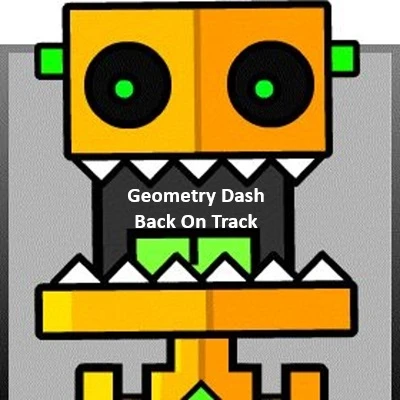
Looking for a game that's fast, addictive, and stimulates reflexes? Geometry Vibes is exactly that — a rhythm-platformer inspired by geometric graphics and instant reflexes, but with its own distinct musical and modern aesthetic. The classic gameplay is that every movement and obstacle is “prepared” to the beat — you don’t just dodge obstacles, you have to “match” the beat to progress.
In terms of gameplay, Geometry Vibes is simple but profound: control a cube or small vehicle (ship, ball, wave...) through obstacle-filled levels. Each level is designed like a musical score — jump, dash, flip gravity, double-jump… appear right when the music picks up, requiring reflexes and pattern recognition. The increasing difficulty is accompanied by subtle geometric effects: backgrounds change color, blocks collapse or bounce to the beat, and sometimes there are “mini-waves” that require extremely precise timing.
Geometry Vibes’ big strength lies in the audio-visual aspect. The sound is the soul: a selection of electronic, synthwave, and chiptune tracks are mixed well to give the feeling of “running to a song” from start to finish. The graphics are minimalist but rich in rhythm: neon, gradients, reflections, and parallax motion create an atmosphere that is both modern and vibrant. These effects are not just for show — they are also gameplay cues, helping players predict when to act.
More than just a game, Geometry Vibes also celebrates the community: a friendly level editor, a collection of user-made levels, daily challenges, a global leaderboard, and an achievement system to compete or show off your achievements. This way, even after completing the main campaign, you’ll always have an endless supply of content from other players — each custom stage can be a completely new style of music, a completely new type of obstacle.
If you’re just starting out, here are some tips: turn on practice mode to set checkpoints, practice reading patterns at a slow speed and gradually increase it, pay attention to beat markers because they’re the best “bet” for jumping at the right time. Don’t try to be perfect the first time — many stages require repetition to remember patterns. Watching top players’ replays is also a quick way to learn difficult parts. And most importantly: let the music lead — when your hands and ears are in sync, the experience becomes extremely satisfying.























Sign in to leave a comment.