
Every small business owner or HR professional knows that handling payroll is one of the most sensitive and time-consuming responsibilities in any organization. Between calculating hours, taxes, overtime, and benefits—it's easy to get overwhelmed. And when payroll mistakes happen, they can erode employee trust and even lead to costly penalties.
That’s why streamlining your process is crucial. But streamlining doesn’t have to mean investing in expensive software or hiring outside services. In many cases, a well-organized payroll spreadsheet template is all you need to take control and bring structure to your payroll process—without the headaches.
The Challenge of Manual Payroll Systems
Let’s face it—some businesses are still doing payroll the hard way. That often involves multiple notebooks, scattered spreadsheets, or manual calculations done under tight deadlines. And that’s when errors creep in.
Common problems include:
- Miscalculated wages: Especially if employees have variable hours or overtime
- Late payments: Which can result in unhappy staff and reduced morale
- Tax confusion: Leading to underpayment or overpayment to authorities
- Data loss or mismanagement: When records aren’t stored securely or backed up
All of these can be avoided with a structured system that puts all payroll information in one place, formatted in a way that’s easy to read and easy to update.
Why Spreadsheets Still Work
While cloud-based payroll software is becoming more common, it’s not always the best option—especially for freelancers, startups, or small businesses with tight budgets.
Spreadsheets offer flexibility, control, and simplicity. You don’t need to worry about subscription fees, software compatibility, or internet access. With a payroll spreadsheet template, you can easily handle:
- Monthly salary tracking
- Deductions and bonuses
- Overtime and leave calculations
- Year-to-date summaries
- Tax columns based on your region
The beauty of a good spreadsheet is that it gives you everything you need—without all the extras you don’t.
The Advantages of Using a Ready-to-Use Template
Creating your own payroll tracker from scratch takes time—and let’s be honest, there’s a good chance it will miss some key formulas or formatting elements.
A pre-made payroll spreadsheet template takes the guesswork out of payroll management. These templates are typically designed by people who’ve worked in HR or finance and understand the real-life scenarios businesses deal with.
Benefits include:
- Pre-built formulas: For calculating totals, taxes, and net pay
- Consistent formatting: So you don’t waste time adjusting columns and rows
- Professional layout: That’s easy to share with team members or auditors
- Editable fields: For company-specific adjustments and personalization
Templates save time, reduce errors, and help you build a repeatable payroll process that can scale as your team grows.
Who Should Use a Payroll Template?
You don’t need to be an accountant to benefit from a payroll tracker. In fact, these templates are ideal for:
- Small business owners managing a few employees
- HR professionals looking for a consistent reporting system
- Freelancers or consultants handling contractor payments
- Nonprofits or startups with limited budgets
Whether you run a marketing agency or a local retail store, having a consistent payroll tracking method helps you stay compliant and build trust with your team.
Key Features to Look For
When choosing a payroll spreadsheet, make sure it includes the essentials that will keep your process accurate and efficient. Here are some features to prioritize:
- Monthly breakdowns: One sheet per month or a single sheet with all months in view
- Gross vs. net pay calculations
- Fields for bonuses, deductions, and benefits
- Tax columns tailored to your location or customizable fields
- Running year-to-date totals for easy tracking
- Color-coded sections or tabs for easier navigation
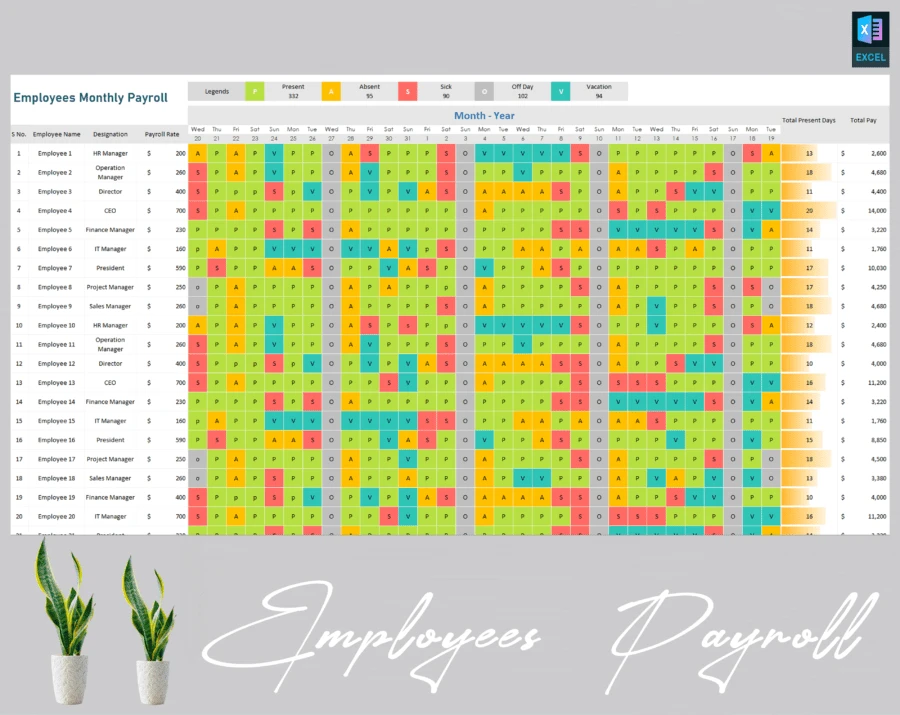
One of the most helpful resources available is a downloadable payroll spreadsheet template designed for monthly use. It simplifies the process without sacrificing accuracy or structure, giving you confidence that payroll is always done right.
How to Get Started
If you’re ready to move away from chaos and into clarity, switching to a payroll template is a great first step. Here's how you can make the transition:
- Download your preferred template
- Input employee details and set up your structure
- Customize fields for taxes, bonuses, or deductions relevant to your business
- Test the system with the first month’s payroll
- Use version control to save backups each month or after each change
With just a little setup time, you'll quickly notice how much smoother the payroll process becomes.
Final Thoughts
Payroll doesn’t need to be complicated. In fact, the more straightforward your system is, the easier it is to manage and maintain accuracy. A smart, simple payroll spreadsheet template can give you the structure you need without locking you into expensive platforms or rigid systems.
Whether you’re running payroll for three people or thirty, having a reliable, easy-to-use format is essential. It saves time, reduces mistakes, and helps ensure everyone is paid correctly and on time—every time.
So if you’ve been managing payroll with sticky notes, scattered docs, or mental math, it might be time to upgrade to a smarter way of doing things. Sometimes the simplest tools are the most powerful.











Sign in to leave a comment.