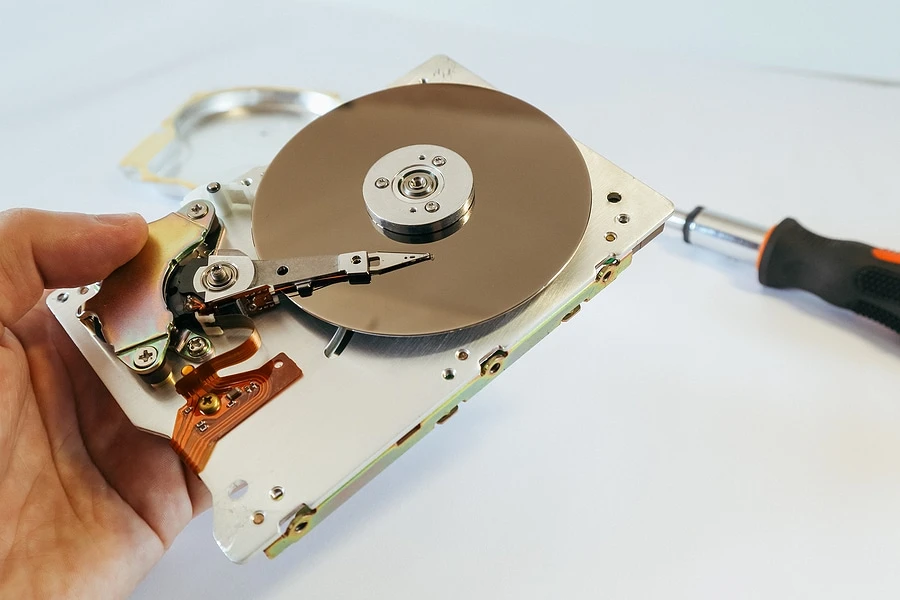

In today’s digital world, most people assume that deleting a file is the end of the story. Click “Delete,” empty the recycle bin, and your data is gone forever—right? Unfortunately, that’s far from the truth. The reality is that file deletion is more of an illusion than an actual security measure. Whether you’re a business handling sensitive client information or a homeowner with personal photos, financial documents, and passwords stored on your devices, understanding what really happens when you delete a file is crucial.
This blog explores why simply deleting files isn’t enough, the hidden risks behind traditional file deletion, and the importance of professional data destruction services like those provided by Total Shred, a trusted leader offering hard drive destruction in UK, secure shredding service in UK, and home shredding service in UK.
The Illusion of File Deletion
When you press “delete,” the file seems to disappear instantly from your computer. It vanishes from your folder, your desktop, or wherever it once lived. But appearances can be deceiving.
What’s actually happening is much simpler—and riskier.
When a file is deleted, it is not actually removed from your hard drive or device. Your computer merely marks the space that the file occupies as “available” for future use. The digital trace of the file remains intact until new data eventually overwrites it. Depending on the usage of the device, this can take days, weeks, or even months. Some files might never get overwritten at all.
Think of it like tearing out the table of contents from a book: you no longer see where the chapters are, but the full story is still printed inside.
This illusion of deletion is one of the biggest reasons people unknowingly expose themselves to identity theft, financial fraud, privacy violations, and corporate data breaches.
Beyond the Recycle Bin: The Hidden Layers of Data Storage
Emptying the recycle bin may feel like a final step in data removal, but from a technical standpoint, it does almost nothing to permanently erase your data.
Modern storage systems often contain:
1. Shadow Copies and Backups
Operating systems silently create automatic backups, shadow copies, system restore points, and cached versions of your documents. These files can remain accessible even after deletion.
2. Solid-State Drives (SSDs) and Wear-Leveling
SSDs store data differently from traditional hard drives. They spread data across multiple memory cells to extend hardware lifespan. Even when you overwrite a file, remnants may remain elsewhere on the device.
3. Cloud Syncing
A file deleted from your computer may still exist in:
- Cloud backups
- Online servers
- Synced devices
- Archived storage
4. Metadata Trails
File names, thumbnails, preview data, and temporary files can survive long after the original file has been deleted.
Together, these layers create a web of hidden data fragments that are almost impossible for an average user to completely erase.
Data Isn’t Really Deleted: Here’s Why
To understand why your files stick around, it helps to know how storage actually works under the hood.
Hard drives, SSDs, and digital storage systems don’t immediately wipe data because that process is slow and resource-intensive. Instead, deleting a file simply changes its status from “in use” to “free.” The file stays exactly where it was—until the system needs that space for something new.
In many cases, deleted data can be recovered using free or inexpensive software. Cybercriminals, identity thieves, and even curious buyers of second-hand computers can retrieve:
- Passwords
- Banking details
- Emails
- Contracts
- Photos
- Copies of IDs and passports
- Business records
This is why stories frequently surface of sensitive data found on discarded laptops, external drives, or office equipment.
Businesses, in particular, are vulnerable. Regulatory frameworks like GDPR require organizations to properly dispose of digital data. Failing to do so can lead to heavy fines and reputational damage.
The Hidden Risks Behind File Deletion
Deleting data without permanently wiping it poses serious risks for both individuals and businesses.
1. Identity Theft
Old devices often contain enough information for a criminal to steal someone’s identity. Even seemingly harmless files—like old tax returns, invoices, or saved emails—can offer valuable clues.
2. Financial Loss
Bank account details, saved passwords, and payment data tucked away in browser files or documents can be retrieved.
3. Corporate Espionage
For businesses, improperly deleted data can expose:
- Client lists
- Trade secrets
- Internal communications
- Contracts
- Financial records
A simple oversight can hand competitors a major advantage.
4. Legal and Compliance Issues
Under GDPR and similar regulations, companies must securely destroy customer data. Deleting files without proper destruction processes exposes businesses to:
- Penalties
- Lawsuits
- Loss of trust
5. Data Leakage from Old Devices
Selling or donating computers, printers, phones, or external hard drives without secure data destruction is one of the most common causes of accidental data exposure.
Why Total Shred Stands Out
When it comes to data protection, you need a provider you can trust. Total Shred has established itself as one of the UK’s most reliable shredding and data destruction companies.
Here’s why thousands rely on them:
1. Complete Security
Total Shred ensures end-to-end protection—from collection to destruction. Every step is monitored and controlled.
2. Certified Destruction
Clients receive certificates proving that their data has been safely destroyed, which is essential for compliance and peace of mind.
3. Convenient On-Site and Off-Site Services
Whether you need destruction at your office, home, or at their secure facilities, they offer flexible solutions.
4. Eco-Friendly Practices
After destruction, materials are responsibly recycled, helping reduce environmental impact.
5. Trusted by Businesses and Homeowners
From large corporations to families clearing out old documents, Total Shred provides reliable, professional, and customer-friendly services.
The Final Conclusion
Data deletion is not data destruction. Deleting a file—or even formatting a device—does not remove the information stored on it. Instead, it creates a false sense of security that puts individuals and businesses at risk of identity theft, financial loss, legal issues, and data breaches.
In a world where digital footprints matter more than ever, proper data destruction is not optional—it’s essential.
Companies like Total Shred provide the professional protection needed to ensure that your digital and physical information is permanently destroyed and cannot be recovered. Their hard drive destruction in UK, secure shredding service in UK, and home shredding service in UK help safeguard your privacy, your finances, and your reputation.
If you’re disposing of old devices or documents, don’t rely on the illusion of file deletion. Trust a certified expert. Trust Total Shred.





























Sign in to leave a comment.