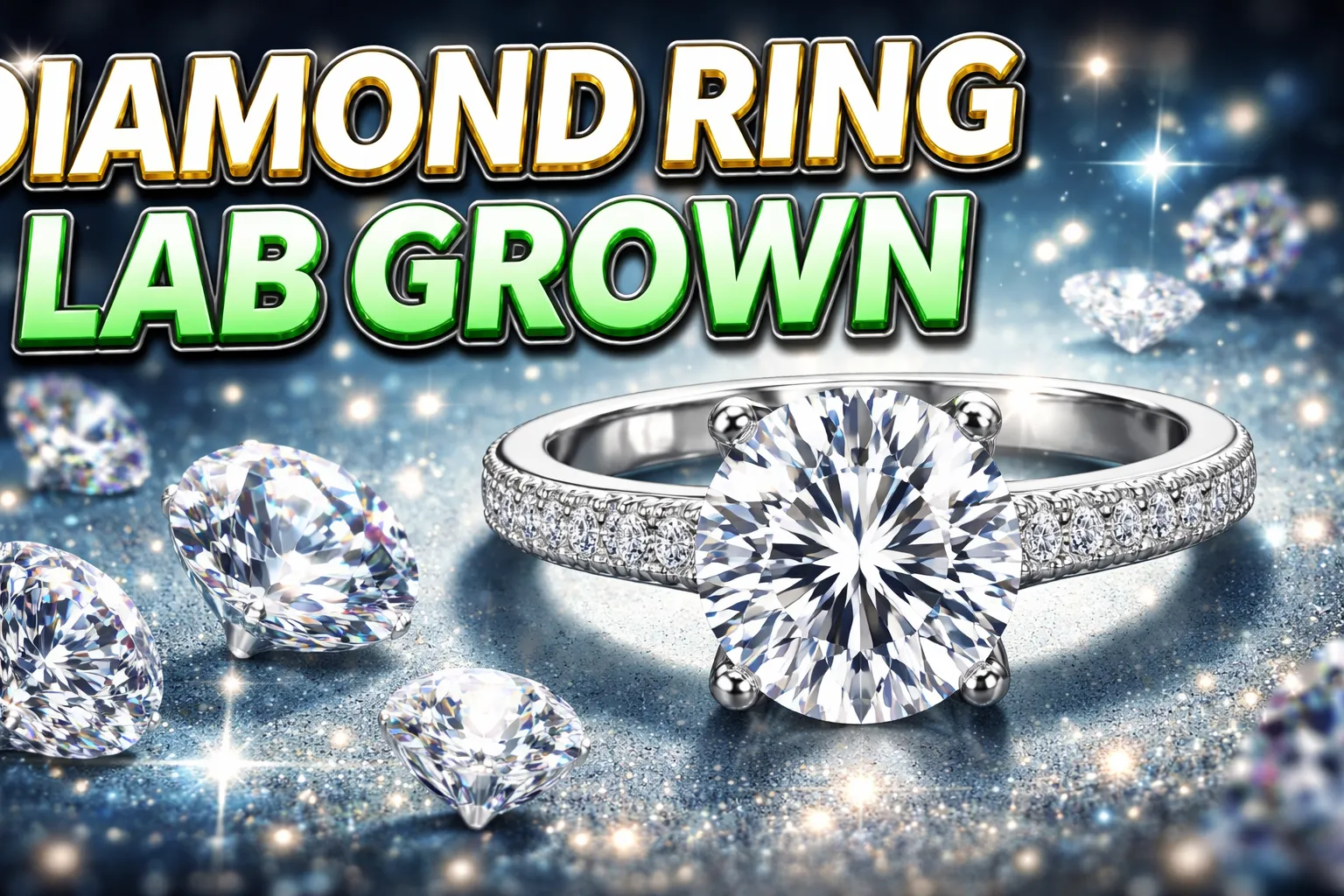

The jewelry industry is witnessing a significant transformation as modern consumers prioritize value, ethics, and transparency. For decades, the diamond market was defined by scarcity and high price tags, but the emergence of lab-grown technology has rewritten the rules. Today, a growing number of couples and jewelry enthusiasts are turning away from traditional mined stones in favor of their laboratory-created counterparts. This shift isn't just a fleeting trend; it represents a fundamental change in how we define luxury and smart purchasing.
Choosing a diamond is no longer just about the brand name on the box; it is about the quality of the stone and the story behind it. Smart buyers realize that they can acquire a breathtaking center stone without the traditional markups associated with mining logistics and complex supply chains. This evolution in the market has allowed brands like XAzina to offer high-quality, brilliant options that cater to a more informed and conscious demographic.
Identical Beauty and Chemical Composition
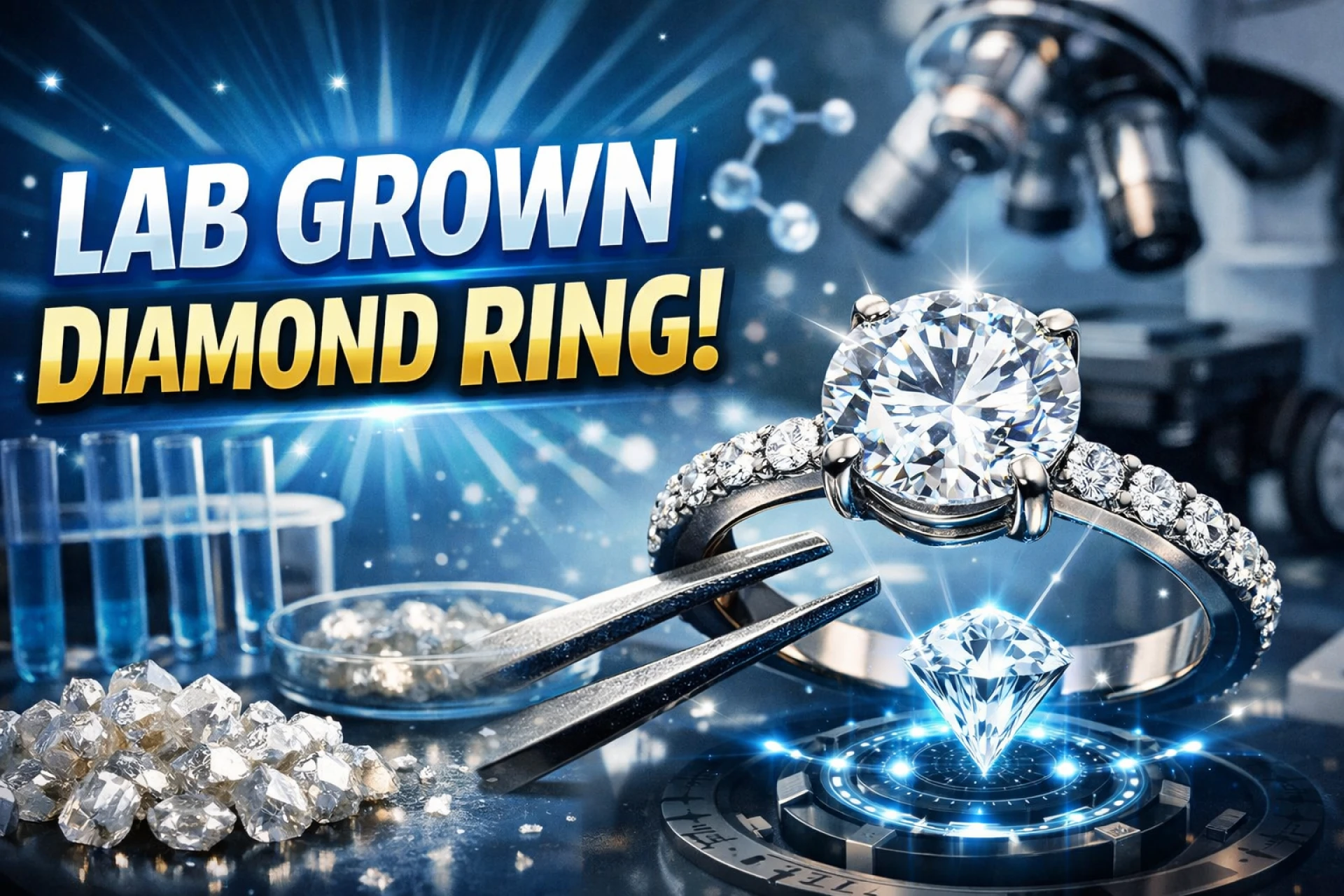
One of the most common misconceptions about lab-grown diamonds is that they are "fakes" or "simulants." In reality, they are physically, chemically, and optically identical to mined diamonds. Both consist of pure carbon arranged in a crystal structure. If you were to place a mined diamond and a lab-grown diamond side by side, even a seasoned jeweler would require specialized, advanced equipment to tell them apart.
Because they are grown using processes that replicate the natural heat and pressure of the earth—such as Chemical Vapor Deposition (CVD) or High Pressure High Temperature (HPHT)—these stones possess the same fire, brilliance, and scintillation as those pulled from the ground. When you select a diamond ring lab grown through a reputable jeweler, you are receiving a gemstone with the same hardness (10 on the Mohs scale) and durability as any other diamond. This ensures that the ring will stand the test of time, resisting scratches and maintaining its sparkle for generations.
Unmatched Value for Your Investment
The most immediate benefit for a smart buyer is the price-to-quality ratio. Lab-grown diamonds typically cost between 40% to 70% less than mined diamonds of the same size and quality. This price difference does not stem from a lack of quality, but rather from a more efficient supply chain. Traditional mining involves massive land excavation, heavy machinery, and many layers of middlemen, all of which drive up the final cost.
By choosing a lab-grown option, buyers have two distinct advantages. First, they can stay within a specific budget while getting a significantly larger stone. Second, they can allocate their budget toward a higher color or clarity grade that might have been unattainable in a mined stone. XAzina helps buyers navigate these choices, ensuring that every customer maximizes their investment without compromising on the visual impact of the jewelry. For the modern professional, spending wisely on a high-value asset is the hallmark of a savvy consumer.
Ethical and Sustainable Considerations
In today’s world, "luxury" is increasingly being defined by its impact on the planet and its people. Mined diamonds have historically been associated with environmental degradation and complex ethical concerns regarding labor practices. While the industry has made strides in regulation, the environmental footprint of moving tons of earth to find a single carat remains substantial.
Lab-grown diamonds offer a much cleaner alternative. They require significantly less land displacement and do not involve the ecological disruption associated with open-pit or marine mining. For buyers who care about the origin of their jewelry, knowing that their diamond was created in a controlled environment with fair labor practices provides immense peace of mind. Brands like XAzina emphasize this transparency, allowing customers to celebrate their milestones with a clear conscience. A beautiful ring should represent love and commitment, and for many, that sentiment is strengthened when the stone is sourced sustainably.
Quality Certification and Peace of Mind
Smart buyers know that any significant purchase should be backed by documentation. Just like mined diamonds, lab-grown diamonds are graded by leading gemological laboratories such as the IGI (International Gemological Institute) or the GIA (Gemological Institute of America). These certificates provide an objective assessment of the "Four Cs": Cut, Color, Clarity, and Carat weight.
When purchasing from XAzina, customers can expect these same rigorous standards. Having a certified stone ensures that the diamond's value is verified and that the buyer knows exactly what they are paying for. This level of standardization has helped lab-grown diamonds gain mainstream acceptance, as they are held to the same high expectations as any premium gemstone.
A Future-Forward Choice
As we look toward the future of the jewelry industry, it is clear that lab-grown diamonds are here to stay. They represent the intersection of human ingenuity, technological advancement, and ethical responsibility. Young couples, in particular, are leading this movement, preferring to spend their hard-earned money on experiences or home investments while still owning a piece of jewelry that looks spectacular.
The decision to choose a lab-grown diamond is a reflection of modern values: efficiency, transparency, and intelligence. By opting for these stones, buyers are not "settling" for less; they are actively choosing more—more brilliance, more size, and more ethical certainty. XAzina remains at the forefront of this movement, providing the guidance and quality necessary for those ready to make a smart, stylish, and sustainable choice.


























Sign in to leave a comment.