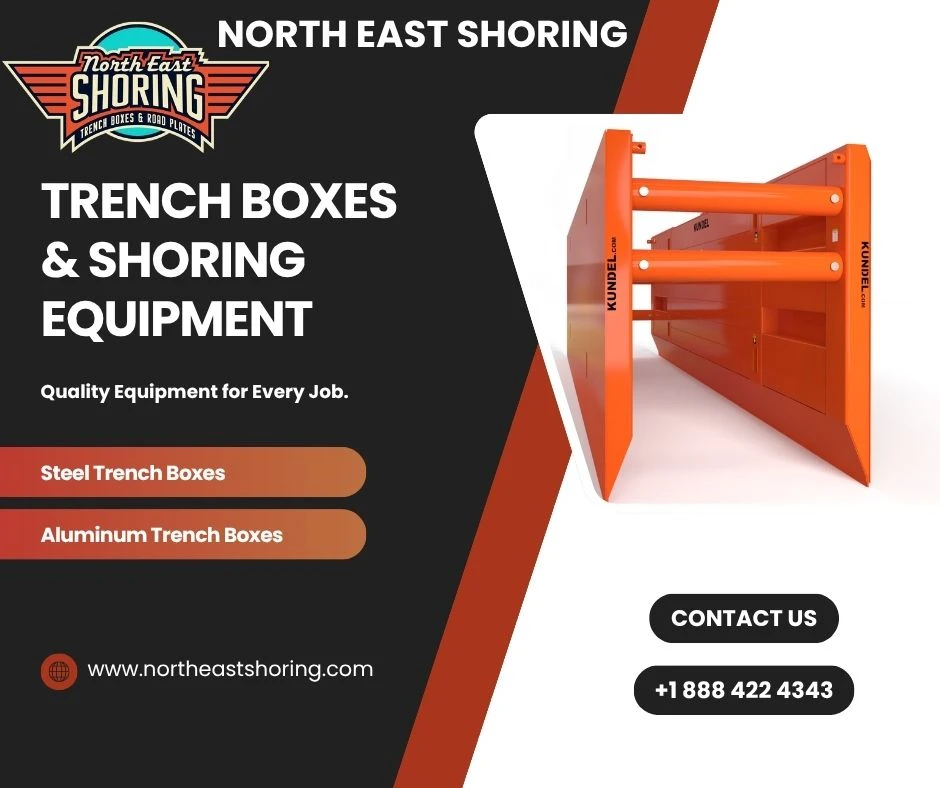

Diggings are amongst the deadly jobs in a building location. Soil is most often the greatest unknown factor here. Before a job can put workers in a trench, the type of soil being excavated should first be identified. Appropriate soil classification not only helps determine the stability of the trench walls but also provides guidance for decisions as to what protective system should be applied. A trenchbox, however strong it may be, will work effectively only if matched with the correct soil condition.
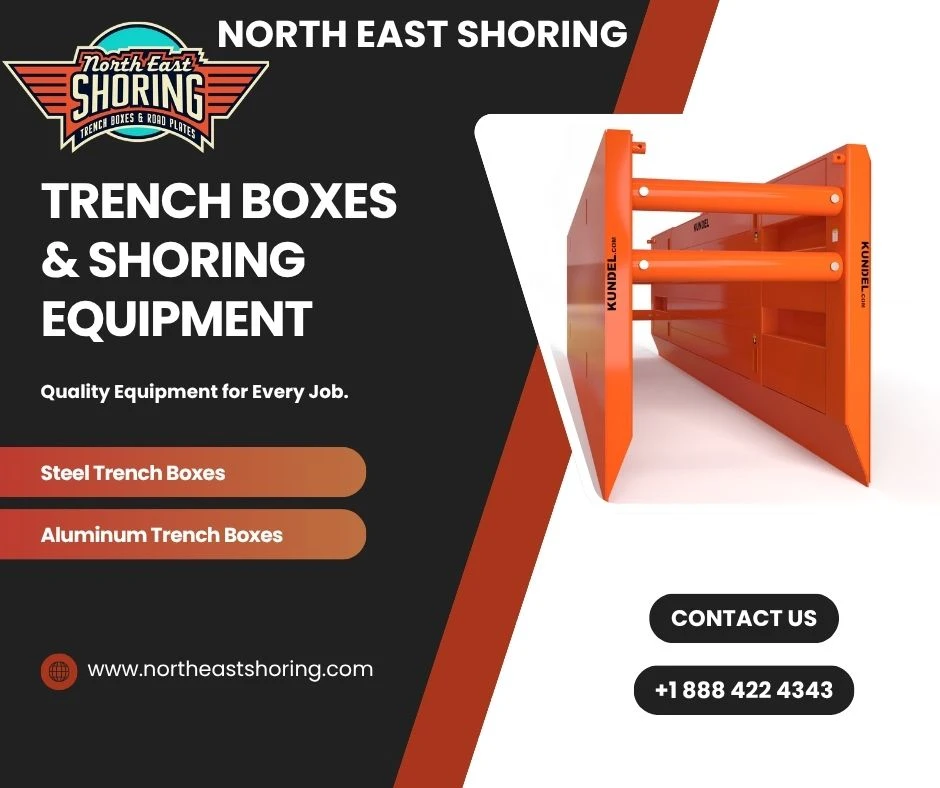
Trench box and Soil Safety
Soil may seem stable for all intents and purposes, but its strength can be influenced by water, vibrations, or even activity from distant sources. A trench collapse, once it occurs, can do so within seconds and, usually, with deadly results. OSHA places the soil classification as a critical element in excavation safety because it pertains directly to the behavior of the trench walls involved. When this step is disregarded, the chances of being involved in an accident increase even when trench box protection systems are put in place.
OSHA Soil Classifications
Under OSHA 3 chief soil kinds are categorized: Type A, B, and C. The classification is created on the steadiness of a soil and its opposition to cohesion:
- Type A Soil- The most steady amongst the three kinds. Usually clay or dense, unfractured materials, this type of soil requires greater pressure to fail, rendering it less common on construction sites that are active because of disturbances.
- Type B Soil: Moderately stable soils like silt or previously disturbed clay. This type is often found on construction sites and requires extra caution during excavation.
- Type C Soil: The least stable soils, including sands, gravels, or loamy materials. This soil has the highest risk of collapse and requires the maximum amount of protection.
Classification into one of these categories helps determine the depth restrictions of trenches and the necessary protective systems.
Soil Testing Methodology
Soil classification is not a matter of guesswork in trench box rental. OSHA stipulates that a so-called "competent person" must perform soil testing according to field methods involving visual observations, manual tests, or instruments like pocket penetrometers. The principal parameters taken into account during testing are:
- Moisture Content
- Granularity
- Presence of fissures or cracks
- Prior Disturbance
The data generated provides justifiable evidence to choose the right size of the trench box, materials, and installation technique. Without testing, workers may enter trenches with unsupported systems.
Importance of Classification for Trench Box Installation
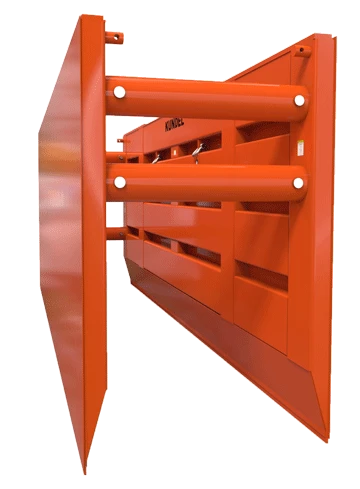
A trench box is designed to ensure worker safety from soil collapse. The correct application, however, is very dependent on its soil matching:
- In Type A soil, ease in the installation and maintenance of a trench box is still evil if improperly placed.
- In Type B soil, moderate instability might require additional bracing for boxes.
- In Type C soil, more intense consideration must be paid to deeper trenches versus the free-flowing material with higher material requirements of behavior monitoring on the trench box for integrity.
The false sense of security stemming from the failure of a trench box to align its physical condition to soil conditions could lead to annihilation.
Cost Implications for Failure to Classify Soil
Soil classification failures lead to safety and other consequential legal and financial ramifications. These could go as high as OSHA fines, resulting mainly from unsafe practices during excavations. With accidents, liability tends to rise incrementally. Besides the legal side of things, collapses could lead to damaging equipment, delaying projects, and damaging the company's reputation. The little time and money spent on soil tests are greatly eclipsed by the immense costs that would accrue if a trench were to collapse.
Fostering A Culture Of Safety
Soil classification is not only a matter of compliance, but a key basis for nurturing a safety-inspired culture on construction sites. In this way, ensuring that every excavation begins with a proper soil analysis protects the workers. It lessens risks, and improves project effectiveness for the contractor. Installation of the trenchbox is an important step to site safety, but its application is futile without understanding the ground it's placed in.
A Trench Box: Final Thoughts
Trench safety begins with the soil beneath the surface. Proper soil classification is the foundation for deciding the trench box that will be used and installed so as to guarantee the expected protection for workers. An importance assigned to soil testing really cannot be overemphasized-above all, concerning collapse prevention and compliance with OSHA standards. It is important to recognize that for every excavation, however big or small, soil classification should never be compromised.


























Sign in to leave a comment.