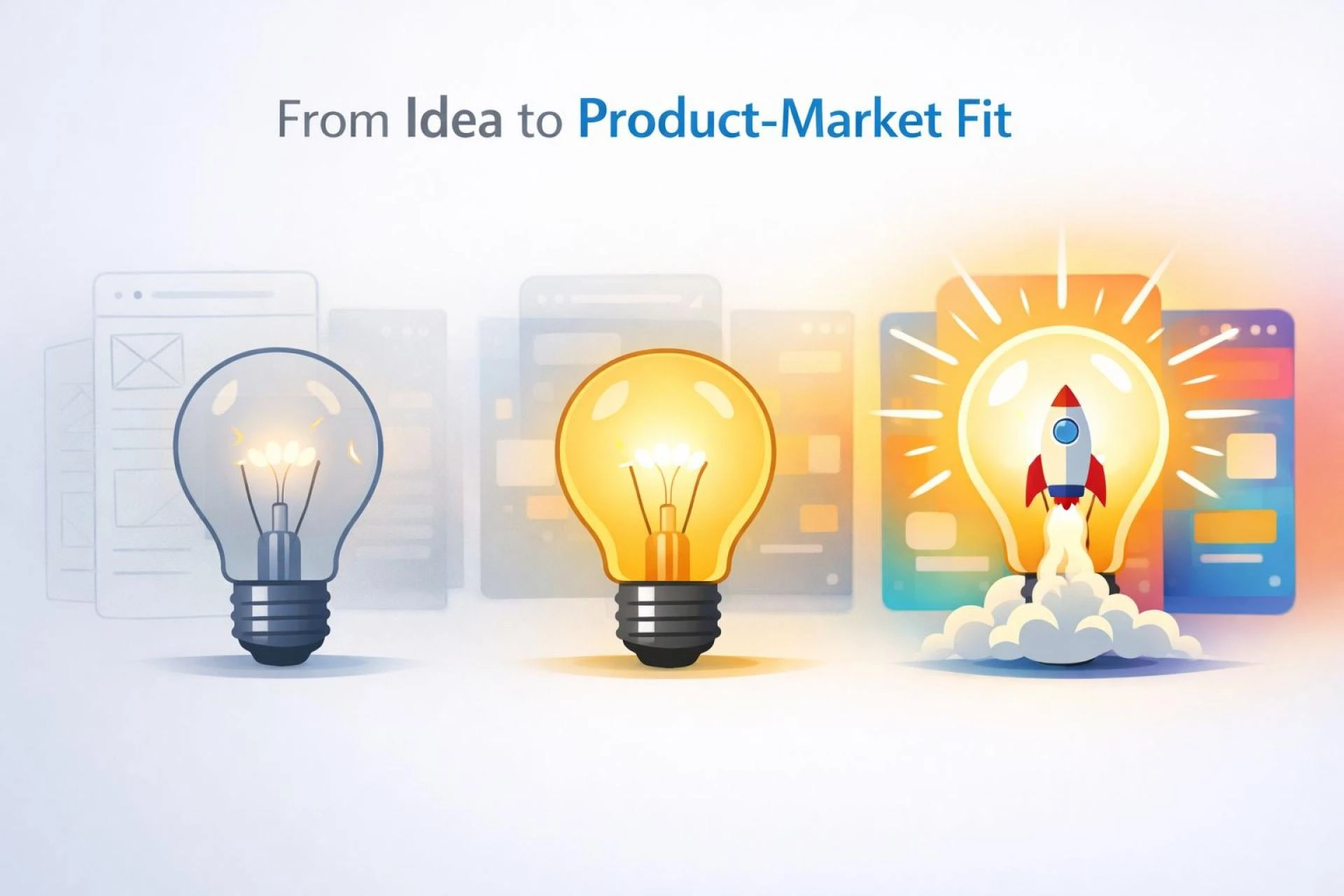

Some of the most successful entrepreneurs build not one, not two, but three different MVPs before they finally hear that sweet sound of product-market fit. And honestly? That’s not a sign of failure. It’s a sign of learning
If you’re a non-technical founder, this might sound difficult. You might be thinking, “I barely have the budget for one MVP, let alone three.” But here’s the secret most experienced founders understand: the goal of an MVP isn’t to launch a perfect product. It’s to launch a learning tool. And sometimes, it takes a few rounds of learning to get it right.
The first MVP a founder builds is often based on assumptions. They’ve talked to friends, read market reports, and maybe even run a few surveys. But until real users interact with a real product, everything is just a hypothesis.
Take a founder who builds a marketplace app. Version one might focus on sleek design and fancy features. But after launch, they realise users are confused about the core value. They’re not signing up because the problem isn’t clearly solved. This first MVP isn’t a waste - it’s a reality check. It reveals what users actually care about, not what the founder assumed they’d care about.
Armed with real feedback, the founder goes back to the drawing board. Version two strips away the fluff. The design is simpler. The user flow is cleaner. But now, a new problem emerges: maybe the pricing model is wrong. Or users love the product but don’t use it frequently enough to create sustainable traction.
This is where many founders feel stuck. They’ve built twice, and it’s still not clicking. But here’s the thing - this second MVP often reveals the hidden gaps: the business model flaws, the onboarding friction, or the missing "aha" moment that keeps users coming back.
By the third MVP, something shifts. The founder isn’t guessing anymore. They’re building based on patterns. They know which features drive retention. They understand the language users respond to. Version three isn’t about adding more, it’s about delivering the right experience.
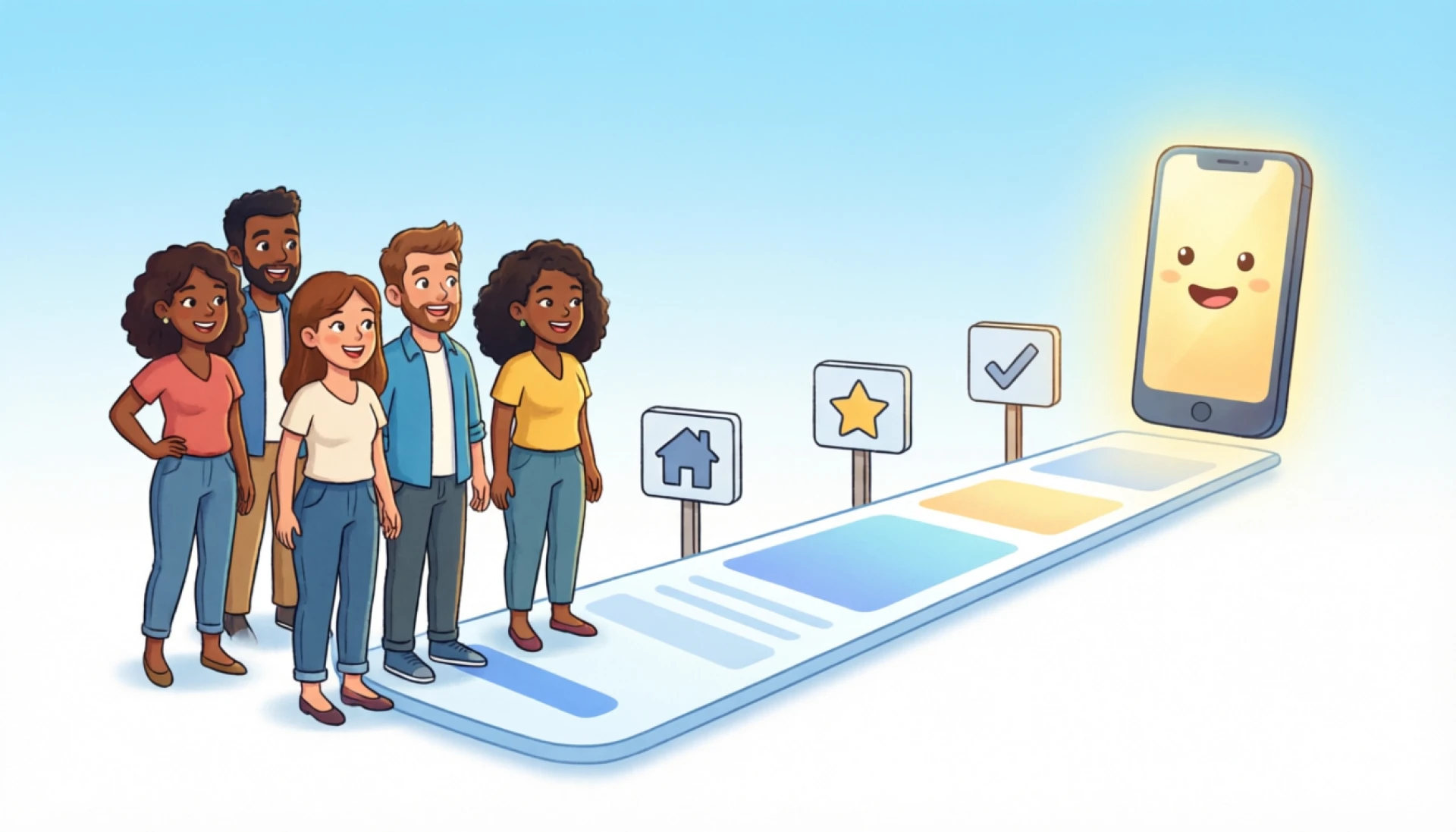
This is exactly the kind of journey NCrypted has witnessed with startup founders over the years. It’s why their approach to MVP development focuses on strategy first. Instead of jumping straight into coding, they help founders map user journeys, prioritise features that actually matter, and build MVPs designed to validate.
Here’s what founders who build three MVPs eventually realise: each version shouldn’t require starting from scratch. That’s where working with an experienced development partner makes all the difference.
NCrypted doesn’t just write code. They help founders avoid the common traps, like overbuilding features, misaligned user flows, or technology choices that don’t scale. Their Minimum Sellable Product (MSP) approach ensures you’re not bloating your MVP with nice-to-haves. You’re building what’s essential to test your core hypothesis.
And when you do need to iterate? The foundation is already scalable. That means version two or three isn’t a complete rebuild - a smart evolution.
If you’re reading this and worrying about building multiple MVPs, shift your perspective. Think of each MVP as a conversation with your market. The first one asks, “Is this interesting?” The second asks, “Is this valuable?” The third asks, “Will you pay for this?”
You don’t have to figure this out alone. Whether you’re building your first MVP or preparing for version two, the right guidance always helps. NCrypted has helped founders across the globe - from healthcare to gaming to fintech- turn raw ideas into investor-ready products.
MVP can secure inititial fundings for your startup.




























Sign in to leave a comment.