

Introduction
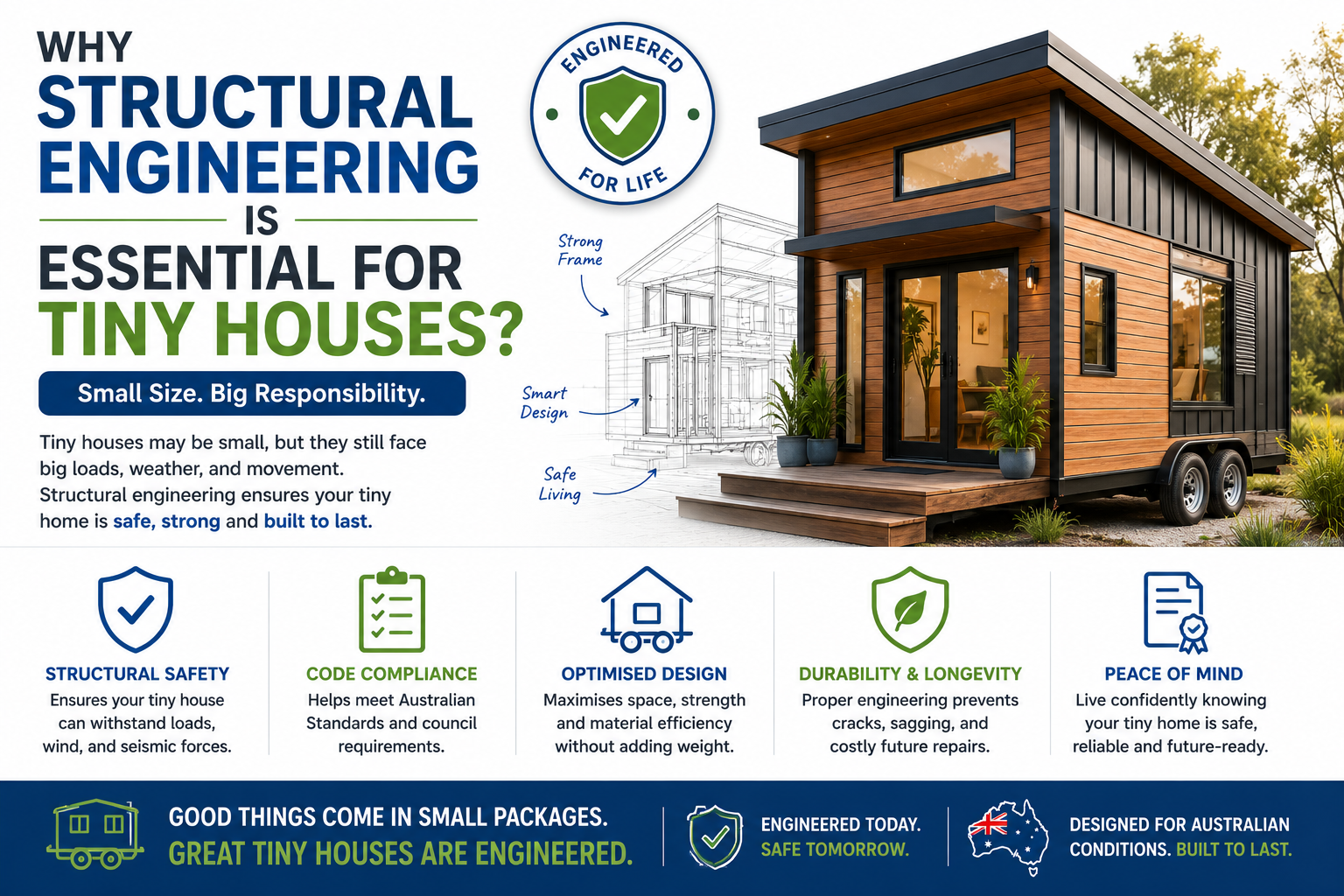
Tiny houses have sparked a new way of looking at home ownership, sustainability, and the definition of comfortable living across Australia. The compact, purpose-built structures designed to maximize the use of space have made mainstream housing alternatives to what was once a fringe lifestyle. For owner builders, property developers, and young Australians who have been priced out of the traditional housing market, tiny houses offer a practical solution with affordable cost. The tiny house lifestyle is not without a host of challenges however. These include a number of regulatory and engineering hurdles that are often overlooked Tiny House Engineering is not simply a smaller version of traditional building construction. Like major construction projects, it is an advanced and specialized field of construction.
CSA Engineering has balanced the art of tiny house design with structural and regulatory requirements to offer tiny house solutions that are certified compliant and professionally built across Australia. The purpose of this article is to show the real engineering requirements that tiny house projects demand, and why the answer to this question is structural engineering.
The Engineering Challenges of Tiny Houses
The opposite of what many people think is the case. Curious enough, having smaller structures (say tiny houses) would seem like a lesser challenge in terms of construction and design, but most of the time, they present a greater challenge. Not only are tiny houses designed with a small footprint, but they often use materials that are unconventional and in many instances, are built to be movable/transported on public roads, adding to the challenges.
Highly skilled Structural Engineers must solve many highly specialized problems during the design process for construction of tiny houses. Examples of the problems they face include the following:
- High load-to-weight ratios that demand efficient structural design
- Dynamic forces from road transport including vibration, lateral sway, and impact loads
- Highly concentrated loads are created due to the installation of sleeping lofts, stairways, and large appliances.
- There are extreme wind and thermal conditions in all of the diverse climates throughout the entire country, both tropical and alpine.
- The tiny house must meet transportation and building code requirements.
All of these highly specialized problems require a highly structured design solution. Without highly specialized and highly structured design solutions, a tiny house that looks highly appealing on the outside may actually hide structural problems.
Why Structural Engineering Matters for Safety and Compliance
Tiny houses are highly appealing. Tiny houses are highly dangerous as well. The safety argument in favors of tiny house construction is highly simple. Structurally failed houses result in death. Tiny houses are vertically compact. The design margin is essentially non-existent for a vertically compact house. Every tiny component of a tiny house, unfinished tiny stairs, tiny ceiling, tiny everything, is designed to stay safe and living can be highly dangerous.
Tiny houses in Australia are likely to occupy a distinct place in evolving compliance regulations. They may be classified differently based on their intended use as permanent dwellings, secondary dwellings, or as movable structures. Depending on their classification, they may fall within the provisions of the National Construction Code, various state planning laws, or transport regulations, or all three. The complexity of these overlapping requirements is best managed by an experienced Engineering Consultant who will ensure that a tiny house is fully designed and certified before the first component is manufactured.
The Role of a Professional Structural Engineer in Tiny House Projects
A tiny house project will benefit from the Professional Structural Engineer combination of appropriate academic qualifications, professional registration, and extensive experience. The Structural Engineer’s involvement will commence during the early design stage and will continue until the tiny house has been built and certified. In the early design stage, the structural engineer will assess the design in terms of the proposed layout, selection of materials, and connection details against the relevant loading standards. The builder will have confidence in the structural design and will construct the tiny house in accordance with the engineer’s drawings and calculations.
During the building process, the structural engineer will conduct inspections at critical stages to confirm that the construction is in compliance with the approved design. The structural engineer will sign off the completed tiny house and certify the tiny house for the approval process of the council. The extensive involvement of the structural engineer in the tiny house project is the major difference between a professionally engineered tiny house and a tiny house that has been built to comply with the requirements.
CSA Engineering provides a full-scope structural engineering service for tiny house clients throughout Australia. To see all services we offer, check our website!
Complex Structural Analysis for Tiny House Design & Function
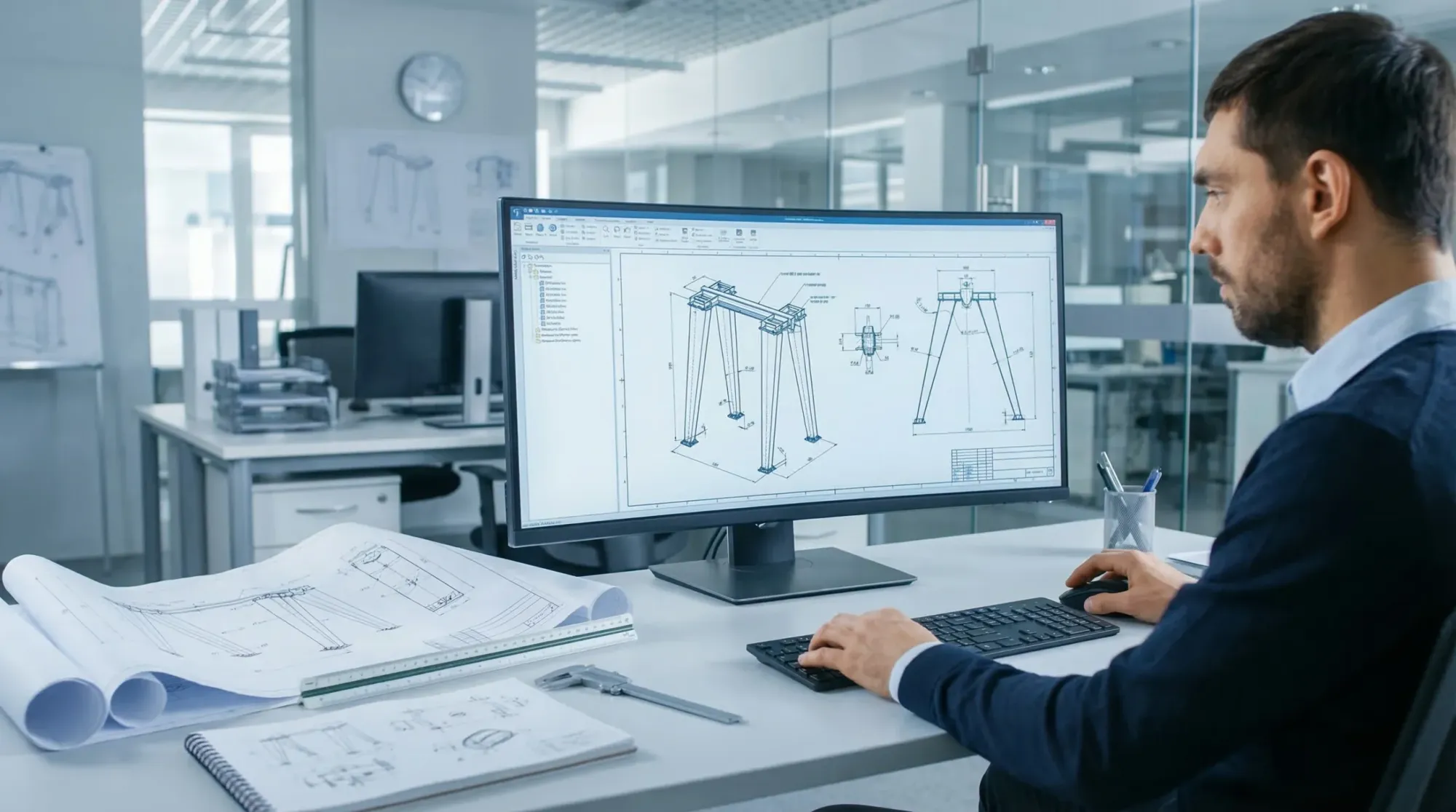
Tiny house structural engineering has extended well beyond the basic sizing and spanning methods. Advanced Structural Analysis now uses computer models to predict the vast array of loading behaviors that a structure may be subjected to. Static loading may be examined for gravitational, wind, and seismic loads, while dynamic analyses are for those structures that will be transported on trailers.
The advantages of complex analysis for tiny house design are:
- Detection of connection and penetration stress concentrations prior to critical failure
- Structurally optimizing members to the lightest possible weight while maintaining the safety factor
- Deflection analysis to ensure structural members retain serviceability under real active load
- Complex analysis of the fatigue life for transportable structures
- Analysis results may be used to facilitate the building approval process
The added design complexity is essential for tiny houses that will be moved several times. Static load analysis may not identify the failure of a connection due to the repetitive loading from transport. Complex analysis will predict that failure.
Australia’s Tiny House Engineering Certification Requirements
The kind of certification a tiny house would need in Australia depends on how the tiny house will be classified and used. For permanent tiny houses on a fixed foundation, building approval will be necessary, and certification will be carried out by a building certifier alongside supporting engineering documents. For tiny houses on wheels, this could be vehicle type approval alongside building standards. Engineering Certification is required in both scenarios.
The certification process entails:
- Verification of structural design against the relevant Australian standards
- Creation of engineering drawings and structural calculations signed by the relevant engineer
- Inspection of the structure at the major construction phases
- Filing of a certificate of compliance with the relevant authority
Without certification, it is illegal to occupy, sell or move a tiny house in most of the Australian states and territories. The investment in certifying the engineering of your tiny house is far less than the costs of a compliance order to gut the tiny house, legal costs, and the costs associated with demolishing the tiny house.
Avoiding Costly Mistakes with Engineering Consulting Services
A common mistake by builders of tiny houses is to put structural engineering last on their list of design priorities. Builders who do this will run into problems such as connections that can’t be certified, structural components that are noncompliant and need to be replaced, and design configurations that can’t be approved due to lack of compliance
The best way to avoid these issues is to obtain full Engineering Consulting Services at the start of the project. A consulting engineering team works in the early design stages with the builder and owner to design the structure with an understanding of the risks and what the compliance requirements will be. This team approach gets embedded in the build and saves time and eliminates waste, generating a better outcome for the team engaged.
CSA Engineering supplies integrated engineering consulting services for tiny house projects, including design, compliance, and certification as well as construction inspections. The team has knowledge of the Australian building regulatory and transport standards, giving clients confidence to move through the approval process.
The Value of Professional Engineer Certification and Compliance
In Australia, the ability to certify structural engineering work legally resides with registered or chartered professional engineers. Professional Engineer Certification has legal and professional significance. By signing a certificate of compliance, an engineer is verifying their professional registration and stake in the certification. This responsibility lends credibility to the certification with building authorities, insurance, and prospective buyers or tenants of the building.
For tiny house owners and builders, this has a straightforward, practical meaning. Only hire qualified and registered engineering professionals for the type and jurisdiction of work required. Signed certificates by under-qualified or unregistered engineers will give you no legal protection and may be rejected by pertinent authorities.
Why Trust CSA Engineering for Tiny House Projects?
CSA Engineering has the trust of many clients around Australia for Tiny House Engineering. With their formal engineering qualifications and skills derived from years of working in the compact housing industry, CSA Engineering offer clients certified engineering solutions that not only fulfill the legal requirements, but also construct safe, sound, and durable houses.
As a CSA Engineering client you can be assured of:
- Tiny house friendly, innovative structural engineering
- National Construction Code, planning, and transport compliance guaranteed
- Engineering that certifiers, authorities, and insurers endorse
- Sound practical advice regarding materials, connections, and transport
- Timely and clear communication that provides certainty to project schedules
For a direct consultation regarding your tiny house with the CSA Engineering team, please contact us.
Conclusion
There is no doubt that the tiny house phenomenon in Australia is an exciting new direction in housing and living. Coupled with the passion for compact living, there must also be a desire for safety, soundness, compliance, and professional engineering. A well-engineered tiny house is a safe, sound, and legally certifiable house; one that is not engineered is a house of cards (a growing liability).
If you’re looking to construct your first tiny house, or building your first tiny house project, or wanting to learn about getting certification for your already existing tiny house, CSA Engineering is the place for you to go, and we will help you from the beginning stages to the final touches here at CSA Engineering, we help you with your idea and learn how to make it real!
- Australian Building Standards, Building Approval Australia, CSA Engineering, Engineering Certification Australia, engineering consulting services, National Construction Code Compliance, professional engineer certification, Residential Structural Engineering, Structural Analysis, Structural Engineer Australia, Structural Engineering, Tiny Home Construction, Tiny House Certification, Tiny House Compliance, Tiny House Design, Tiny House Engineering, Tiny House on Wheels Engineering, Tiny House Safety, Tiny House Structural Design, Transportable Homes Engineering

























Sign in to leave a comment.