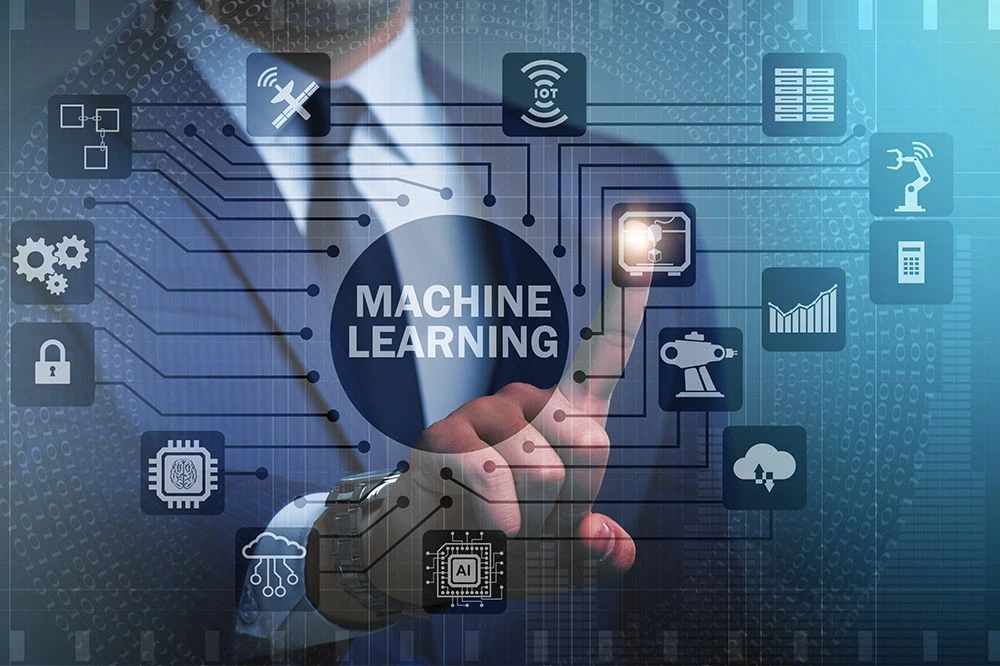

Machine learning eradicates human errors and makes routine mundane processes more efficient by all perceivable means. It has revolutionized the way we process and analyze data. Today, machine learning plays a significant role in improving decision-making processes across a variety of industries. As a result, ML courses have become increasingly popular among students, professionals, and businesses alike.
The relevance of machine learning in commercial and public sectors cannot be overstated. It has enabled businesses to make informed decisions based on real-time data, allowing them to optimize their operations and improve customer satisfaction. In the public sector, machine learning has been used to predict and prevent crime, improve healthcare outcomes, and even forecast natural disasters. And all of the same is done through the adept eradication of human errors, and optimizing the time needed for these processes.
Ethical limitations and mitigations
Despite the ethical obligations that come with implementing machine learning, it has been done with great efficacy. Machine learning algorithms have proven to be more accurate than human decision-making in many cases, and they can process large volumes of data with much more speed. However, there is concern that the widespread adoption of machine learning could lead to the eradication of entire classes of employees.
The blessings of machine learning can overwhelm the detriments, provided that certain precautions are taken. One of these is ensuring that machine learning courses are designed to provide students with the skills and knowledge they need to use machine learning ethically and responsibly. To this end, there are certain traits that good machine learning courses should possess.
The right kind of ML courses
Industry-aligned education is essential, as it ensures that students are learning the skills that are in demand in the job market. Additionally, a good machine learning course should have an updated and relevant curriculum that covers the latest developments in the field. Promises made by course providers should be kept, and transparency should be maintained throughout the course.
Faculty members should be active practitioners in the field of machine learning. This ensures that students learn from experts who are up-to-date with the latest developments and can provide practical advice and guidance.
The opportunities in machine learning
In the healthcare industry
In the healthcare sector, machine learning is transforming the way medical professionals diagnose and treat patients. It is being used to analyze vast amounts of patient data to identify patterns and predict outcomes. This enables healthcare providers to develop personalized treatment plans for patients, resulting in better outcomes and improved patient satisfaction.
Early disaster warnings
Early disaster warning systems are utilizing machine learning to help predict and prevent natural disasters. By analyzing weather patterns, geological data, and other relevant information, machine learning algorithms can accurately predict potential disasters and warn people in affected areas early. This can help reduce the number of fatalities and minimize property damage.
In managing traffic
Traffic management is another sector that is benefiting greatly from machine learning. By analyzing real-time traffic data, machine learning algorithms can optimize traffic flow and reduce congestion on the roads. This saves drivers time, reduces carbon emissions, and improves air quality in urban areas. ML tools can prosecute rogue vehicles and drivers with absolute prudence if armed with computer vision and sensors.
Virtual assistance
The virtual home and office management sector is leveraging machine learning to automate routine tasks and streamline workflows. From scheduling appointments to managing emails, machine learning algorithms can help people manage their daily tasks more efficiently and effectively.
Remote security
In remote security, machine learning is being used to monitor and protect physical and digital assets. By analyzing real-time security data, machine learning algorithms can identify potential threats and alert security personnel in real time, reducing response times and improving overall security.
Automated transportation
Automated transport is another sector that is rapidly adopting machine learning. Self-driving cars, trucks, and other vehicles are already on the road, and they are being developed to optimize routes, reduce fuel consumption, and improve overall transportation efficiency. Packed with promises of less fatigue and a productive travel time for the passengers.
Cyber security
The cyber security sector is leveraging machine learning to help protect against cyber threats. By analyzing vast amounts of data, machine learning algorithms can identify potential threats and predict future attacks. This enables organizations to take proactive measures to protect their networks and prevent data breaches. Time is of the essence in the prevention of these attacks, and with machine learning, the same is saved in an abundance.
Conclusion
Machine learning is a powerful tool that has the potential to revolutionize the way we thrive. However, it must be used ethically and responsibly, and this requires high-quality machine-learning courses that provide students with the skills and knowledge they need. The implementation of machine learning can benefit a wide range of industries, and its blessings can far outweigh its detriments when used ethically and with care.











Sign in to leave a comment.