

Have you ever wondered why the same type of tea can taste slightly different from one garden to another? You may buy two teas made from similar leaves, prepare them in the same way, and still notice a difference in colour, aroma, strength or flavour.
A major reason is the place where the tea plant grows.
Tea is like grapes, coffee, and many other crops because environment shapes the plants. Factors like soil, rainfall, temperature, altitude, sunlight, humidity, and changing seasons affect development. These natural conditions combine to give tea from specific regions a unique character. You can taste these differences in every cup.
This connection between a crop and the place where it grows is often called terroir. The word may sound technical, but the idea is simple: the environment leaves its mark on the leaf.
How the Place Where Tea Grows Influences the Leaf
Tea plants may belong to the same broad species, but they do not grow under identical conditions everywhere. A garden on a cool slope may experience very different weather from a garden located on a warm plain. One area may receive heavy rainfall, while another may have longer dry periods.
These differences affect the speed at which the tea plant grows and the way its leaves develop.
When growth is slower, the leaf may develop differently from tea growing quickly in warmer and wetter conditions. The amount of moisture available to the roots, the intensity of sunshine and daily temperature changes can all influence the natural compounds inside the leaves.
That is why tea growing regions in India can produce teas with noticeably different characteristics, even when similar cultivation methods are followed.
Regions such as Assam, Darjeeling and Dooars are often associated with different styles of tea, but this does not mean every garden within one region produces an identical cup. Conditions can change even between nearby estates.
The Role of Soil and Rainfall
Tea is a natural crop, so its taste and quality change according to the season. Weather in March is usually quite different from June, August, or October. Tea plants react naturally as rainfall, temperature, and sunlight change throughout the year.
Because of these weather changes, tea leaves plucked in different months end up with different features. You might notice small differences in aroma, strength, brightness, or color when trying teas made in different months. A difference in taste does not mean one tea is better or worse than another. It simply shows how tea depends on the local climate.
These seasonal changes are very clear in the tea gardens of West Bengal, where the weather shifts noticeably between winter, summer, and the monsoon season.
Rainfall is equally important.
Tea regions usually receive a large amount of rainfall. The timing and pattern of these rains matter just as much as the total volume. Heavy, continuous rain affects tea plants in a very different way than light showers spread over several weeks.
Dry weather slows the growth of tea bushes down. Heavy rain speeds up the growth of new leaves. This change explains why tea picked from the exact same garden tastes different from season to season.
The Dooars region shows these weather effects clearly. High heat and humidity help tea plants grow fast there. Local soil conditions and monsoon rains combine to create ideal conditions for tea farming.
How Temperature and Sunshine Affect Tea Growth
Temperature affects tea plant growth in several ways. Warm weather helps the leaves grow faster, while cool weather slows them down. This speed directly changes how tea tastes and smells.
Sunlight also plays a big role. Tea plants need sun for energy, but sunlight changes with the seasons. Heavy rain, cloudy monsoon days, and short winter days alter the growing conditions. Bright sunny days speed up plant growth, while cloudy weather slows it down.
Height or altitude matters a lot too. Mountain areas are cooler and mistier than flat plains, with different sunlight levels. Because of this, mountain tea tastes different even when it comes from the same plant variety.
Humidity is another key factor. High humidity holds moisture in the air, especially during the rains. This extra moisture helps fresh tea leaves grow well.
Why Harvest Season Matters
Tea is a natural crop, so its taste changes throughout the year. The weather in March is quite different from June, August, or October. Tea plants respond naturally as rainfall, sunlight, and temperature change with each season.
Because of these weather shifts, tea leaves plucked in different months develop different qualities. You might notice small differences in aroma, strength, color, or brightness when you drink teas made in different months. These changes do not mean one tea is better or worse than another. They simply show how closely tea depends on the local weather.
You can clearly see these changes in the tea gardens of West Bengal, where the weather shifts distinctly between winter, summer, and the monsoon.
How Tea Makers Work With Changing Natural Conditions
Tea makers cannot control rainfall, sunshine or temperature. Their job is therefore partly about understanding the leaf they receive from the garden at a particular time.
Natural conditions may cause leaves to grow faster or slower, become softer or firmer, or carry slightly different characteristics from one period to another.
Tea makers adjust their approach according to these changes. The objective is not to erase the influence of nature but to work with the material available during that particular season.
This is another reason tea should not be thought of as a completely standardised product. Even when a brand or estate aims for consistency, agriculture naturally introduces some variation.
Knowing this can make regular tea drinking more interesting. Instead of expecting every cup to taste exactly the same, you begin to notice how climate and geography can appear in subtle ways.
What Travellers Can Notice in a Tea-Growing Region
Understanding tea origin becomes much easier when you actually visit a tea-growing area.
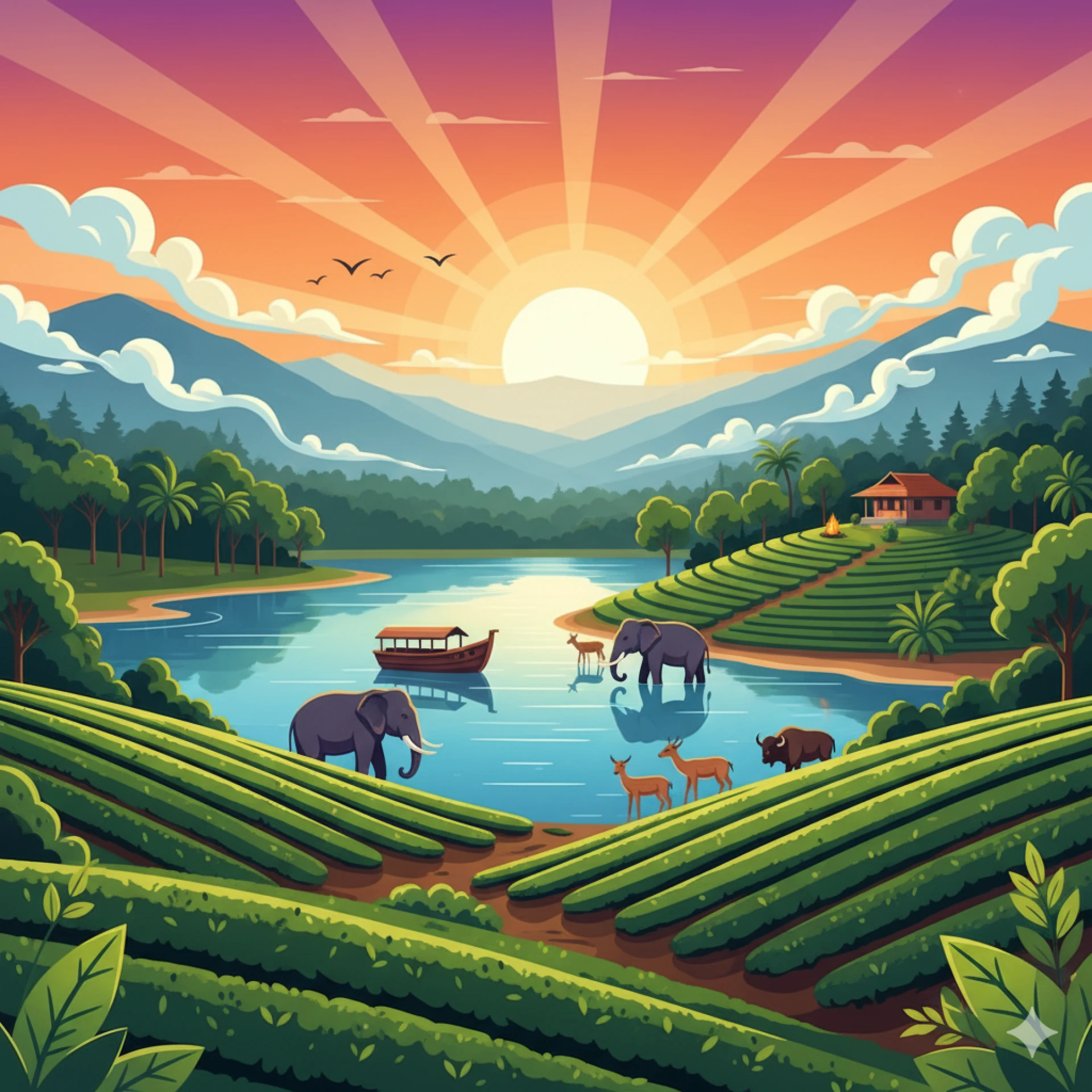
A tea garden is not simply a field of green plants. The surrounding landscape gives you clues about why the tea grown there develops the way it does. You can observe the slope of the land, the type of vegetation nearby, the amount of sunlight, the moisture in the air and the general weather.
In Dooars, wide tea-growing areas sit within a warm, green and rainfall-rich part of West Bengal. Seeing these conditions in person gives useful context to the tea you normally encounter only in a packet or cup.
This is one reason tea tourism in Dooars can be interesting even for travellers who are not tea experts. You do not need professional tasting knowledge to understand that climate and landscape influence agriculture.
If you want to explore this connection further, it can be useful to taste tea at its source and understand how the drink connects with the region where it begins.
Tea Origin Adds More Meaning to the Cup
Tea does not develop its character in isolation. Every leaf grows within a particular combination of soil, rainfall, temperature, sunshine, drainage, humidity and seasonal weather.
That is why teas grown in different places can show differences in colour, aroma, flavour and strength. Even neighbouring gardens may produce cups with their own character because their natural conditions are never completely identical.
The next time you drink tea, looking at its origin can add another layer to the experience. Once you understand how closely the leaf is connected to the land, tea becomes more than a familiar daily drink. It also becomes a small reflection of the place where it was grown.























Sign in to leave a comment.