Why Telecom Operators Prioritize 5G Base Station Testing

The success of any 5G network depends on more than just infrastructure deployment. Before a base station becomes operational, it must undergo extensive validation to ensure reliable performance, coverage, capacity, and compliance. This is why 5G base station testing has become a critical priority for telecom operators worldwide.
As networks evolve to support higher data rates, lower latency, and massive device connectivity, testing plays a vital role in maintaining service quality and ensuring a seamless user experience.
Key Takeaways
- 5G base station testing is essential for reliable network deployment.
- Comprehensive testing helps improve coverage, capacity, and performance.
- 5G NR testing supports advanced technologies such as Massive MIMO and beamforming.
- Structured 5G base station testing procedures reduce deployment risks.
- 5G RAN testing and 5G wireless testing contribute to long-term network reliability.
- Effective testing helps telecom operators deliver better user experiences.
Understanding 5G Base Station Testing
A 5G base station serves as the communication hub between user devices and the core network. It is responsible for transmitting and receiving wireless signals while supporting various network functions.
5G base station testing involves evaluating the performance, functionality, and reliability of these stations before and after deployment. The process helps identify potential issues, optimize network performance, and ensure compliance with industry standards.
Why Telecom Operators Prioritize 5G Base Station Testing
Telecom operators invest heavily in network infrastructure. Any performance issue within a base station can impact thousands of connected users.
By implementing comprehensive 5G network testing, operators can:
- Verify network coverage and signal quality
- Improve service reliability
- Reduce deployment risks
- Ensure regulatory compliance
- Minimize maintenance costs
- Enhance customer experience
Accurate testing helps operators detect issues early and prevent costly network disruptions.
Ensuring Reliable Network Performance
One of the primary goals of 5G infrastructure testing is to ensure that base stations deliver consistent performance under real-world operating conditions.
Engineers evaluate:
- Signal strength
- Throughput performance
- Latency levels
- Beamforming functionality
- Network capacity
These assessments help operators optimize network performance and maintain service quality as demand increases.
Supporting Advanced 5G Technologies
Modern 5G networks rely on advanced technologies such as Massive MIMO, beamforming, and network slicing. These technologies improve efficiency but also increase testing complexity.
Through comprehensive 5G NR testing, operators can validate how these technologies perform in different environments and usage scenarios. This ensures that networks are capable of supporting next-generation applications such as smart manufacturing, autonomous systems, and IoT deployments.
How to Test a 5G Base Station
Understanding how to test a 5G base station is essential for achieving reliable network performance.
Testing typically includes:
RF Performance Testing
Evaluates signal transmission quality, power levels, and frequency accuracy.
Functional Testing
Verifies that hardware and software components operate as intended.
Capacity Testing
Measures network performance under varying traffic loads.
Interoperability Testing
Ensures compatibility with devices, network equipment, and supporting infrastructure.
Over-the-Air Testing
Assesses wireless performance in controlled environments that simulate real-world conditions.
Together, these methods provide a comprehensive understanding of base station performance.

The Role of 5G RAN Testing
The Radio Access Network (RAN) is one of the most important components of a 5G deployment.
5G RAN testing focuses on evaluating communication between base stations and user devices. It helps operators verify network efficiency, coverage quality, mobility performance, and overall service reliability.
A properly tested RAN contributes significantly to network stability and user satisfaction.
The Importance of 5G Wireless Testing
Wireless communication environments are constantly changing. External interference, environmental conditions, and user density can all impact network performance.
5G wireless testing enables operators to assess how networks respond to these variables and helps ensure consistent performance under real-world conditions.
This process supports proactive optimization and long-term network reliability.
Explore Advanced 5G Testing Solutions
As 5G networks continue to expand, accurate testing becomes increasingly important for ensuring performance and reliability. Advanced testing environments, positioning systems, and RF measurement solutions help operators validate network infrastructure with confidence.
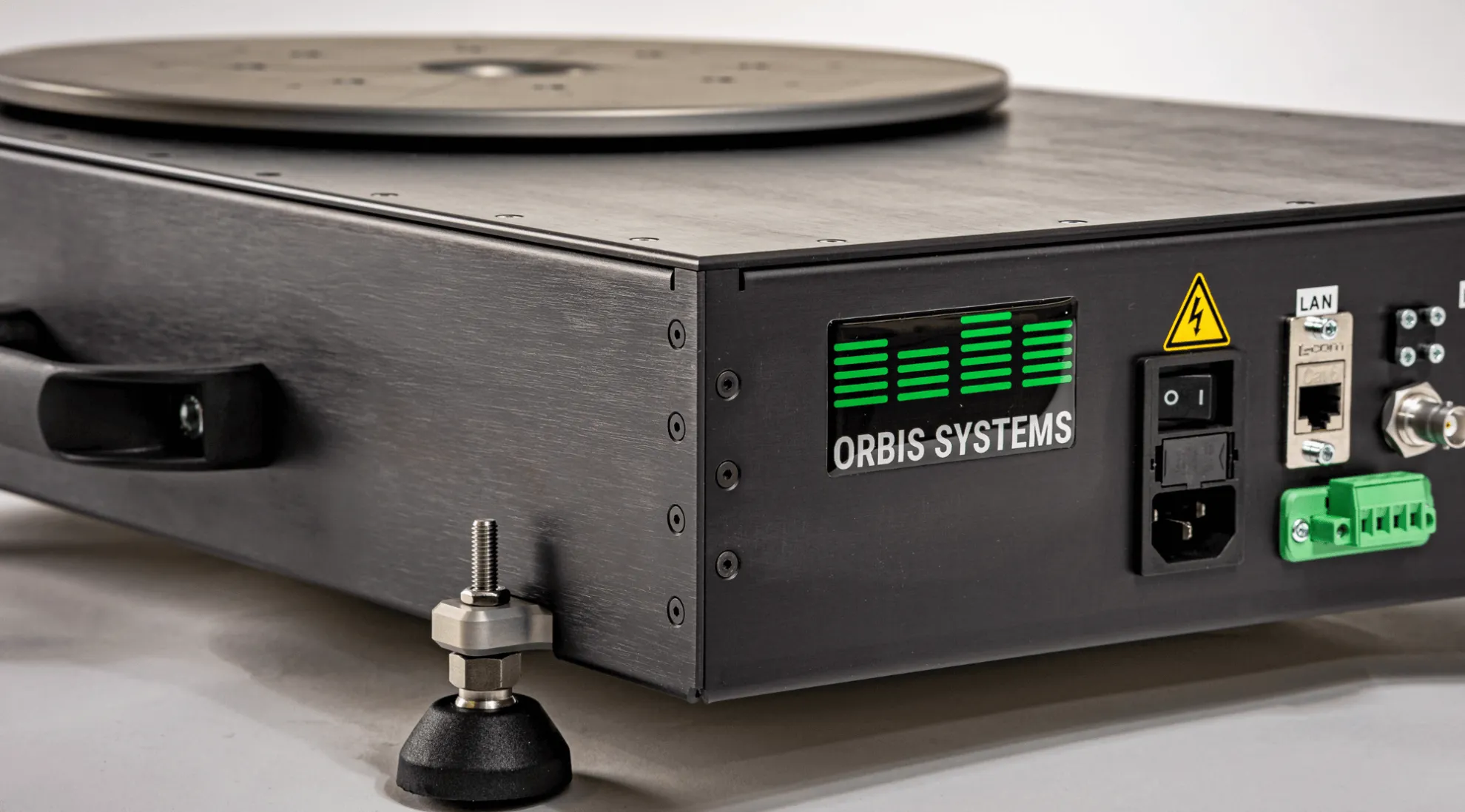
Discover how Orbis Systems supports next-generation wireless testing through innovative solutions designed for modern telecom networks.
FAQs
1. What is 5G base station testing?
5G base station testing is the process of evaluating the performance, functionality, and reliability of 5G network infrastructure before deployment and operation.
2. Why is 5G base station testing important?
It helps ensure network reliability, optimize coverage, improve capacity, and reduce operational risks.
3. How to test a 5G base station?
Testing typically includes RF performance testing, functional testing, capacity testing, interoperability testing, and over-the-air testing.
4. What is the role of 5G RAN testing?
5G RAN testing evaluates communication between base stations and user devices to ensure efficient network performance and coverage.
5. What are 5G base station test solutions?
5G base station test solutions include RF test systems, OTA chambers, positioning systems, network analyzers, and automated testing platforms used to validate network performance.








Sign in to leave a comment.