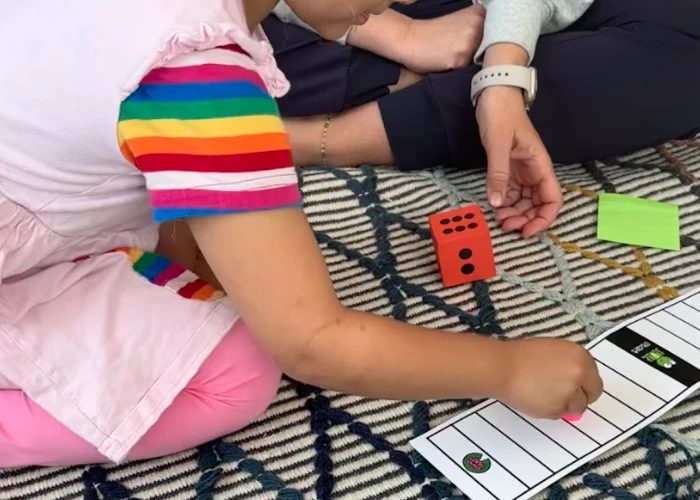
When we think of children’s crafts, we often visualize finger paints, sticky glue, and piles of construction paper. However, there is a profound difference between a simple "rainy day activity" and an intentionally designed educational tool. Picking the best children’s craft kits isn't just about keeping little hands busy; it is about choosing a resource that builds the neurological bridge between creative play and future academic achievement.
The Anatomy of an "Effective" Craft
The secret to a high-quality kit lies in cognitive sequencing. For a 3-to-5-year-old, the act of following a three-step process—selecting a shape, applying an adhesive, and positioning it correctly—is a masterclass in executive function. It teaches focus, spatial awareness, and the ability to see a project through to completion.
How to Select the "Best" for Your Learner
If you are a parent or educator, use the following checklist to evaluate your options:
- All-Inclusivity: Does it come with every unique material needed? The best kits remove the "prep-work barrier."
- Skill Alignment: Does the craft reinforce a larger concept, such as letter formation or number sense?
- Quality Materials: Are the components safe, tactile, and appropriately sized for developing fine motor skills?
- Guided Independence: Does the kit provide enough structure for the child to feel successful but enough room for their own creative "spark"?
Structuring Your Learning Week
One size rarely fits all in early education. Whether you are a dedicated homeschool parent or managing a bustling daycare, the frequency of your "craft-and-learn" sessions matters. At Rock and Grow, we’ve structured our curriculum to match the reality of modern schedules:
| Program Type | Total Monthly Activities | Ideal For |
|---|---|---|
| 3-Day/Week Plan | 36 (3 activities per day) | Part-time learners or flexible home schoolers. |
| 5-Day/Week Plan | 60 (3 activities per day) | Daycares, co-ops, and full-time routines. |
The Developmental Impact of Sensory Play
Tactile learning is the "love language" of the preschool brain. By engaging in sensory activities—threading, pasting, and building—children strengthen the small muscles in their hands. This physical development is a direct precursor to the "pencil grip" required for kindergarten writing. Furthermore, the emotional satisfaction of creating something tangible builds the self-confidence necessary for taking on harder academic challenges later.
For families seeking a comprehensive approach that merges art with literacy and numeracy, the preschool homeschool kit acts as a central hub for all developmental milestones. By integrating these kits into your daily routine, you move beyond "busy work" and into a realm of purposeful growth. This structured approach ensures that every glitter-covered masterpiece is actually a building block for phonetic sound isolation and critical thinking.
Navigating the Logistics of Early Learning
To maintain a high standard of quality, specialized curriculum kits require a bit of forward-thinking. At Rock and Grow, we prioritize the "freshness" of our content. Our curriculum follows a three-year rotation, ensuring that returning families always receive new themes and non-repeating projects.
To ensure your supplies are ready when you are, keep these logistical keys in mind:
- Availability: Boxes ship from September through May, matching the traditional school calendar.
- The "One-Month" Rule: To receive a box by the first of the month, orders must be placed 30 days in advance (e.g., order by April 1st for the May box).
- Digital Evolution: Starting this September, a digital version will be available for those who prefer an eco-friendly or instant-access format.
The Bottom Line: Growing Joy, Bag by Bag
Choosing the right tools shouldn't feel like a chore; it should feel like an invitation to connect. At Rock and Grow, we believe that education is most effective when the "prep-work noise" is silenced. We handle the shopping, the sorting, and the lesson planning so you can simply reach into a daily bag and start making memories.
By choosing our all-inclusive kits—and perhaps adding a Kindergarten Supplement or a Beginning of the Month Kit for those extra home staples—you aren't just buying paper and glue. You are investing in a partnership that celebrates your child’s unique pace and sparks a lifelong curiosity.










Sign in to leave a comment.