
Why the LEED Process and Integrative Strategies Are Important for LEED Green Associate Exam Preparation
Preparing for the LEED Green Associate Exam requires a solid understanding of how sustainable building projects are planned, designed, and evaluated. The exam focuses on core green building concepts developed by the U.S. Green Building Council and tests how well candidates understand the structure of the LEED rating system.
Among the various topics included in the exam, LEED Process and Integrative Strategies play a crucial role. These two areas explain how sustainable projects move from planning to certification and how collaboration between project teams leads to better environmental performance.
For candidates preparing for the exam, understanding these concepts is important not only for answering exam questions but also for developing practical knowledge of sustainable design and construction.
Understanding the LEED Process
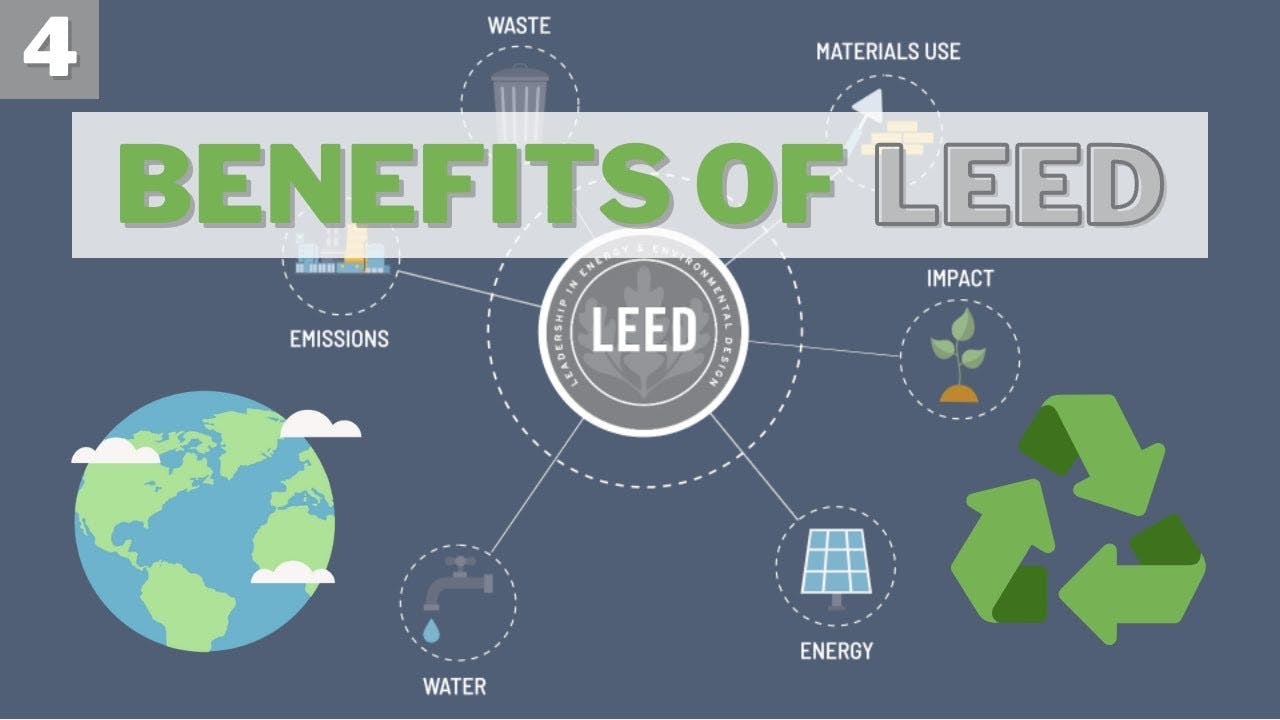
The LEED Process refers to the structured approach used to evaluate and certify sustainable building projects. It provides a framework that helps project teams plan, document, and verify sustainability strategies throughout the building lifecycle.
Key Stages of the LEED Certification Process
A typical LEED project follows several stages:
Project Registration
The project team registers the building with the LEED certification platform to begin the process.
Planning and Goal Setting
Sustainability goals are defined early in the design phase, including energy efficiency, water conservation, and environmental impact reduction.
Documentation and Submission
Project teams gather documentation that demonstrates compliance with LEED credits and requirements.
Review and Certification
After submission, the documentation is reviewed and a certification level is awarded based on the total points achieved.
Understanding these stages helps exam candidates recognize how LEED projects move from concept to certification.
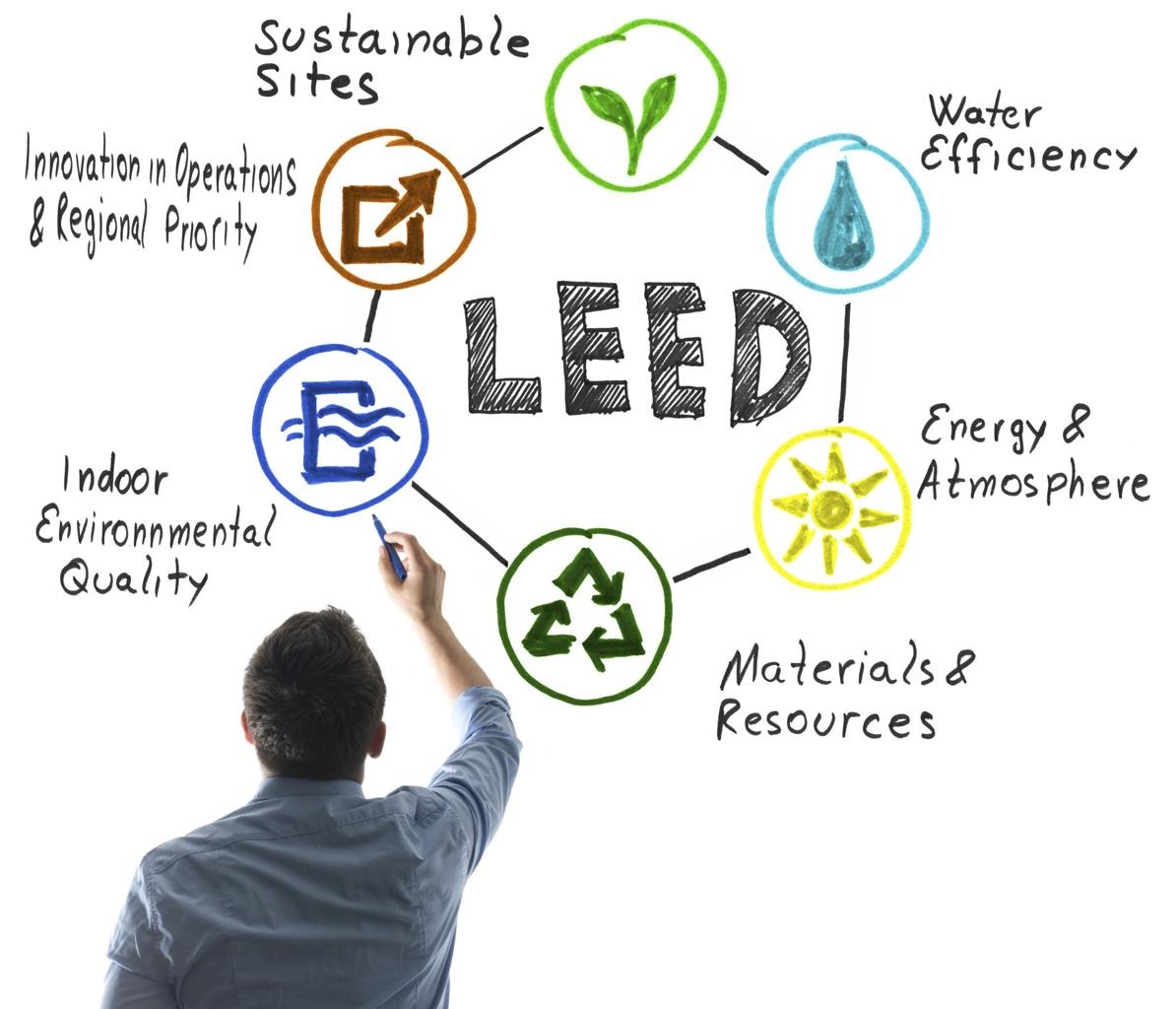
LEED Credit Categories
Projects earn points across several sustainability categories such as:
- Sustainable Sites
- Water Efficiency
- Energy and Atmosphere
- Materials and Resources
- Indoor Environmental Quality
- Innovation
The total points earned determine the certification level: Certified, Silver, Gold, or Platinum.
For exam preparation, candidates should understand how each category contributes to improving environmental performance and building efficiency.
Why the LEED Process Matters for Exam Preparation
The LEED Green Associate Exam often includes questions that test knowledge of the LEED framework and certification workflow. Candidates must understand how projects register, document sustainability efforts, and achieve certification.
Learning the LEED process helps candidates:
- Understand the structure of the LEED rating system
- Recognize how sustainability credits work together
- Identify the roles of project teams during certification
- Apply theoretical knowledge to real-world scenarios
Because the LEED certification framework includes multiple steps and credit categories, candidates often review LEED Green Associate practice exam resources to better understand how sustainability concepts are tested in the certification exam. Practicing with scenario-based questions can help learners recognize how the LEED process appears in real exam situations and improve their confidence before test day.
Understanding Integrative Strategies in LEED Projects
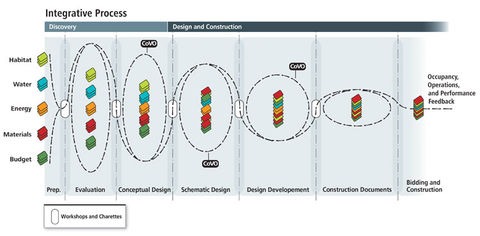


Another important topic in exam preparation is Integrative Strategies, which emphasize collaboration and systems thinking during sustainable building design.
The integrative approach encourages project teams to work together from the earliest stages of planning. Instead of designing systems separately, professionals collaborate to optimize building performance as a whole.
The Integrative Process in Sustainable Design
The integrative process involves multiple professionals working together, including:
- Architects
- Engineers
- Sustainability consultants
- Contractors
- Energy modelers
By sharing knowledge early in the project, the team can identify opportunities to improve energy efficiency, reduce resource consumption, and enhance indoor environmental quality.
For example, building orientation, insulation design, and lighting strategies can all influence energy performance.
Standards Supporting Integrative Strategies
Sustainable design often relies on widely recognized industry standards such as:
- ASHRAE energy efficiency standards
- ENERGY STAR building performance benchmarks
Since integrative strategies involve collaboration and systems thinking, many exam questions present practical project scenarios. Reviewing reliable LEED Green Associate exam preparation questions designed around real project examples can help candidates better understand how integrative design principles are applied in sustainable building projects.
Why Integrative Strategies Are Important for the Exam
Integrative strategies are heavily emphasized in the LEED Green Associate exam because they reflect the modern approach to sustainable building design.
Candidates are expected to understand:
- The benefits of early collaboration in project planning
- How building systems influence each other
- Why teamwork improves sustainability outcomes
- How integrated planning leads to better energy and environmental performance
Exam questions may present scenarios where candidates must identify how collaboration between project team members improves the efficiency or sustainability of a building project.
Study Tips for LEED Green Associate Exam Preparation
When preparing for the exam, candidates should focus on understanding how sustainability concepts apply to real projects rather than memorizing isolated facts.
Helpful strategies include:
- Studying how the LEED certification process works step by step
- Understanding the purpose of each credit category
- Learning how project teams collaborate through integrative strategies
- Reviewing examples of LEED-certified buildings
Many candidates also strengthen their preparation by reviewing realistic LEED Green Associate exam practice questions designed to reflect the actual certification format. Practicing with scenario-based questions can help learners understand how concepts such as the LEED process and integrative design appear in exam situations.
Using updated LEED Green Associate preparation materials and exam simulations can also help candidates identify knowledge gaps and improve confidence before taking the official certification test.
Conclusion
Understanding the LEED Process and Integrative Strategies is essential for effective LEED Green Associate Exam Preparation. These topics explain how sustainable building projects are planned, evaluated, and certified while emphasizing the importance of collaboration among project teams.
By mastering these concepts, candidates not only improve their chances of passing the exam but also gain valuable knowledge that can be applied in real-world sustainable building projects.










Sign in to leave a comment.