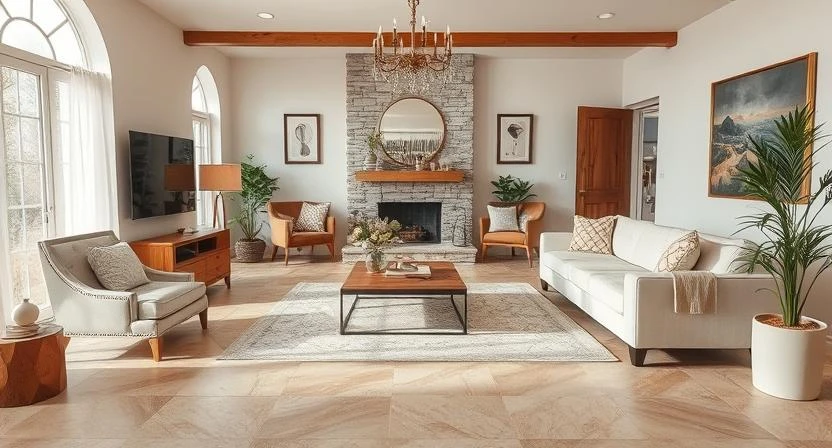

Tile flooring has been a mainstay in homes and commercial spaces for centuries, and it remains a top choice in 2025 for good reason. As homeowners and designers continue to prioritize durability, sustainability, and low maintenance, tile’s resilience sets it apart from other flooring materials. Below is a deep dive into why tile remains the most durable flooring option in the modern era.
A Legacy of Strength: What Makes Tile Durable
Tile’s inherent durability begins with how it is made. Ceramic and porcelain tiles are formed from clay and other natural materials, then fired at high temperatures. This process produces a hard, dense surface that resists wear, scratches, moisture, and heat. Porcelain, in particular, is fired at even higher temperatures, resulting in a material with very low water absorption. Natural stone tiles such as granite, marble, and slate are quarried slabs cut to size. These stones have been compressed by geological processes over millions of years, giving them exceptional toughness.
The density and hardness of tile mean it can withstand heavy foot traffic without deforming or showing wear. On the Mohs scale of mineral hardness, porcelain ranks higher than many other flooring options, indicating its resistance to scratches from everyday debris. Tile also resists fading from UV exposure, so colors remain vibrant even in sunlit rooms.
Advances in Manufacturing That Enhance Durability
Tile production has evolved significantly over the past decades. Modern manufacturing techniques build on the material’s natural resilience and improve its performance:
- Improved Clay Bodies and Firing: Technology has optimized clay mixes and firing temperatures, producing tiles with fewer internal stress points. This reduces the likelihood of cracking or chipping.
- Digital Printing and Glazing: High-definition digital printing allows manufacturers to create realistic textures that mimic natural wood, stone, and even fabric. The printed design is sealed under a tough glaze, which not only preserves the visual quality but also adds a protective barrier against scuffs and stains.
- Rectified Edges and Large Formats: Tiles are now available in larger formats—2-foot, 3-foot, and even larger slabs—that have precisely cut edges. Larger tiles mean fewer grout lines and a more continuous surface, reducing points where wear or moisture could penetrate.
- Surface Treatments: Advances in surface treatments include anti-slip textures, antimicrobial glazes, and matte finishes that hide footprints and minor scratches. Some tiles have integrated reflective particles for enhanced brightness without compromising durability.
- Ultra‑compact Surfaces: Sintered materials and thin porcelain panels, sometimes called “ultra‑compact surfaces,” combine extreme pressure and heat to fuse minerals into a single slab. These surfaces offer the look of natural stone but are almost impervious to scratching, staining, and heat.
- Advanced Mortars and Underpayments: Modern adhesives and uncoupling membranes absorb movement from the subfloor, preventing cracks in the tile. Self‑leveling underpayments ensure a flat base, especially important for large-format tiles.
These innovations allow tile to last longer and perform better in demanding conditions compared to earlier generations of ceramic or stone.
Resisting the Elements: Tile in Diverse Environments
One of the key reasons tile remains a preferred flooring material in 2025 is its ability to handle environmental stressors that damage other materials.
- Moisture Resistance: Tile is nearly impermeable, making it ideal for bathrooms, kitchens, laundry rooms, and mudrooms. Porcelain’s low absorption means it doesn’t swell or warp when exposed to water. Even in humid climates or areas prone to flooding, tile holds up where wood, laminate, and carpet would fail.
- Thermal Stability: Tile can withstand temperature fluctuations from freezing winters to hot summers. In cold climates, proper installation with flexible mortar and expansion joints prevents cracking due to freeze-thaw cycles. Tile also works well with radiant heating systems, efficiently conducting heat and providing warm floors without degrading over time.
- Chemical Resistance: Glazed ceramic and porcelain surfaces resist staining and corrosion from spills like wine, coffee, and household cleaners. Natural stone surfaces may require sealing, but once protected, they hold up against most household chemicals.
- Fire and Heat Resistance: Tile doesn’t burn, release harmful fumes, or melt, making it a safe choice for areas near fireplaces, stoves, or outdoor grills. Unlike some synthetic flooring, tile will not contribute to a fire’s spread.
- UV Resistance: Tile does not fade in direct sunlight, so it’s suitable for sunrooms and outdoor areas. This stability is crucial as open-concept designs with large windows remain popular, and homeowners seek indoor-outdoor continuity in 2025.
Comparing Tile to Other Flooring Options
While many materials vie for attention in 2025, tile consistently stands out for its durability. Here’s how it compares to the leading alternatives:
- Hardwood: Wood floors offer warmth and beauty but are susceptible to scratches, dents, and water damage. They can warp in high humidity and fade from sunlight. Hardwood requires refinishing to maintain its appearance, adding to long-term costs.
- Laminate: Laminate flooring imitates wood or stone at a lower price, but it isn’t waterproof. Prolonged exposure to moisture can cause swelling and peeling. The top layer can scratch or wear down, revealing the photographic layer beneath.
- Vinyl (including luxury vinyl tile and plank): Vinyl has gained popularity because it mimics wood or stone and is relatively water-resistant. However, vinyl can dent under heavy furniture, fade in sunlight, and off-gas volatile organic compounds. Its lifespan is shorter—often 10 to 20 years—compared to tile’s decades-long durability.
- Carpet: Carpet is comfortable and warm, but it stains easily, wears down in high-traffic areas, and harbors dust, allergens, and odors. It requires frequent cleaning or replacement.
Tile outperforms these alternatives by lasting longer, resisting damage from moisture and wear, and maintaining its appearance with minimal upkeep. Its superior durability often offsets a higher upfront cost over the product’s life span.
Long-Term Value and Sustainability
Durability isn’t just about resisting scratches and dents; it also encompasses lifespan and environmental impact. Tile scores well on both counts:
- Lower Lifecycle Costs: Even though tile installation can cost more than some other flooring options, it rarely needs replacement. A tile floor can last several decades—or longer—with basic maintenance, saving homeowners the cost and disruption of replacement.
- Sustainability: Tile is made primarily from abundant natural materials like clay, sand, and feldspar. Production processes have become more energy-efficient, and many manufacturers incorporate recycled content. Because tile lasts longer than synthetic alternatives, it generates less waste over time. When it does reach the end of its life, tile can be repurposed as fill or crushed for new uses.
- Indoor Air Quality: Tile is inert and non-porous, emitting no volatile organic compounds. This contributes to healthier indoor air. It doesn’t harbor dust mites, mold, or allergens, making it suitable for homes where occupants have allergies or respiratory concerns.
- Energy Efficiency: In warm climates, tile’s thermal mass helps keep interiors cool by absorbing and slowly releasing heat. In cold climates, pairing tile with radiant heating creates energy-efficient warmth. This adaptability helps homeowners reduce energy consumption.
Aesthetic Versatility Without Compromising Strength
Durability doesn’t mean sacrificing beauty. Tile offers a vast palette of colors, textures, and styles:
- Realistic Wood and Stone Looks: Digital printing replicates the intricate veining of marble, the grain of oak, and the texture of slate. Homeowners who love the look of wood can choose wood‑look tile for moisture-prone areas where real wood wouldn’t survive.
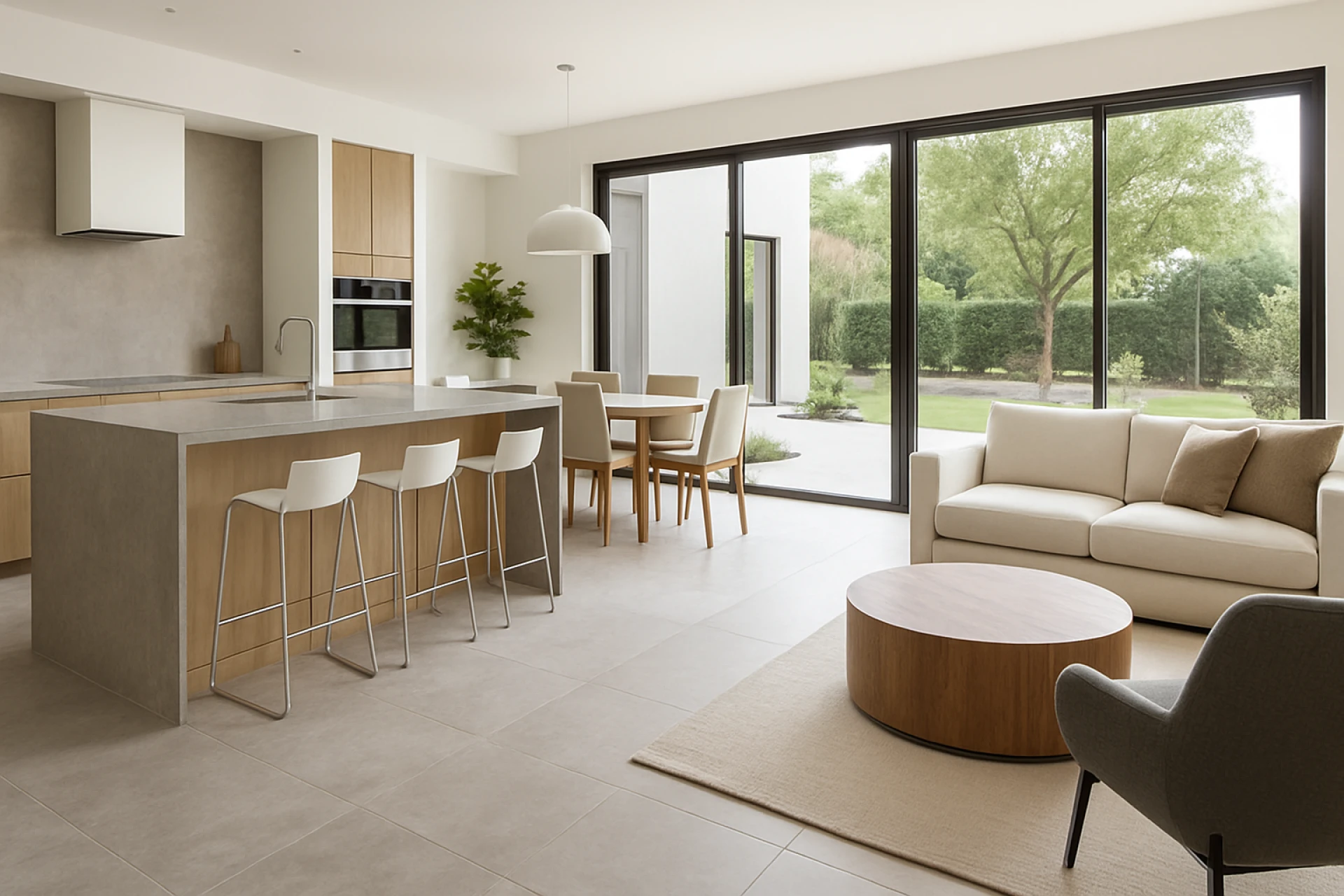
- Large Formats and Minimal Grout Lines: Oversized porcelain slabs and rectified edges allow for sleek, contemporary designs. Fewer grout joints reduce maintenance and create an illusion of seamless flooring.
- Mosaic and Patterned Options: While busy patterns may be less popular in 2025, mosaics and subtle patterns still provide opportunities for unique designs. Tiles can be arranged in herringbone, chevron, or geometric patterns for visual interest.
- Texture and 3D Surfaces: Manufacturers offer textured surfaces that mimic textiles, stone relief, or industrial finishes. These textures add depth without compromising durability.
- Outdoor and Indoor Continuity: Porcelain pavers extend tile from indoor living spaces to patios and pool surrounds. Matching thickness and finish across interior and exterior spaces creates cohesion and allows for a seamless transition.
This flexibility enables homeowners to achieve any aesthetic—from rustic farmhouse to sleek modern loft—without giving up tile’s durability.
Health, Safety, and Wellness Considerations
Increasing awareness of health and safety drives many home design decisions in 2025. Tile contributes positively in several ways:
- Hypoallergenic: Tile doesn’t trap pet dander, pollen, or dust. Cleaning is as simple as sweeping and mopping, which helps keep allergens at bay.
- Antimicrobial Surfaces: Some tiles are treated with antimicrobial glazes that inhibit bacterial and mold growth. This technology is especially valuable in kitchens, bathrooms, and healthcare settings.
- Slip Resistance: Advances in surface finishing allow manufacturers to produce tiles with higher slip resistance without sacrificing aesthetics. This is important in wet areas such as showers, entryways, and outdoor patios.
- Fire Safety: Because tile is non-combustible, it doesn’t release toxic fumes in a fire. This makes it a safe choice for kitchens, utility rooms, and around fireplaces.
These attributes align with growing consumer interest in health-conscious materials and help explain tile’s enduring popularity.
The Future of Tile: Innovation and Longevity Beyond 2025
As we look ahead, tile’s role in flooring is poised to grow even stronger. Several emerging trends will enhance its durability and versatility further:
- Smart Tiles: Engineers are experimenting with tiles that embed sensors or energy-harvesting elements. Imagine floor tiles that can capture kinetic energy from footsteps or alert homeowners to water leaks.
- Three-Dimensional Printing: 3D printing technology could allow custom tile shapes and textures on demand, reducing waste and enabling personalized designs without compromising structural integrity.
- Self-Cleaning Surfaces: Research into photocatalytic glazes uses light to break down organic substances on tile surfaces. These coatings could drastically reduce the need for harsh cleaners.
- Improved Installation Systems: Floating tile floors and interlocking edges are under development, promising faster installations while maintaining the stability of traditional mortar‑set tile.
- Sustainable Materials: Innovations in bio-based glazes and locally sourced raw materials will reduce the environmental footprint of tile manufacturing even further.
These developments point to a future where tile continues to dominate durable flooring, supported by cutting-edge technology.
Conclusion
In 2025, tile remains the gold standard for durable flooring due to its superior resistance to wear, moisture, heat, and chemicals; its ability to withstand decades of heavy use; and its evolving range of styles and surface technologies. While other materials have their merits, none match tile’s combination of longevity, versatility, and low maintenance. Advances in manufacturing, sustainability, and design ensure that tile will remain at the forefront of flooring options for years to come. For homeowners and designers seeking a flooring solution that stands the test of time while meeting modern needs for health, safety, and aesthetics, tile continues to be the clear choice.





















Sign in to leave a comment.