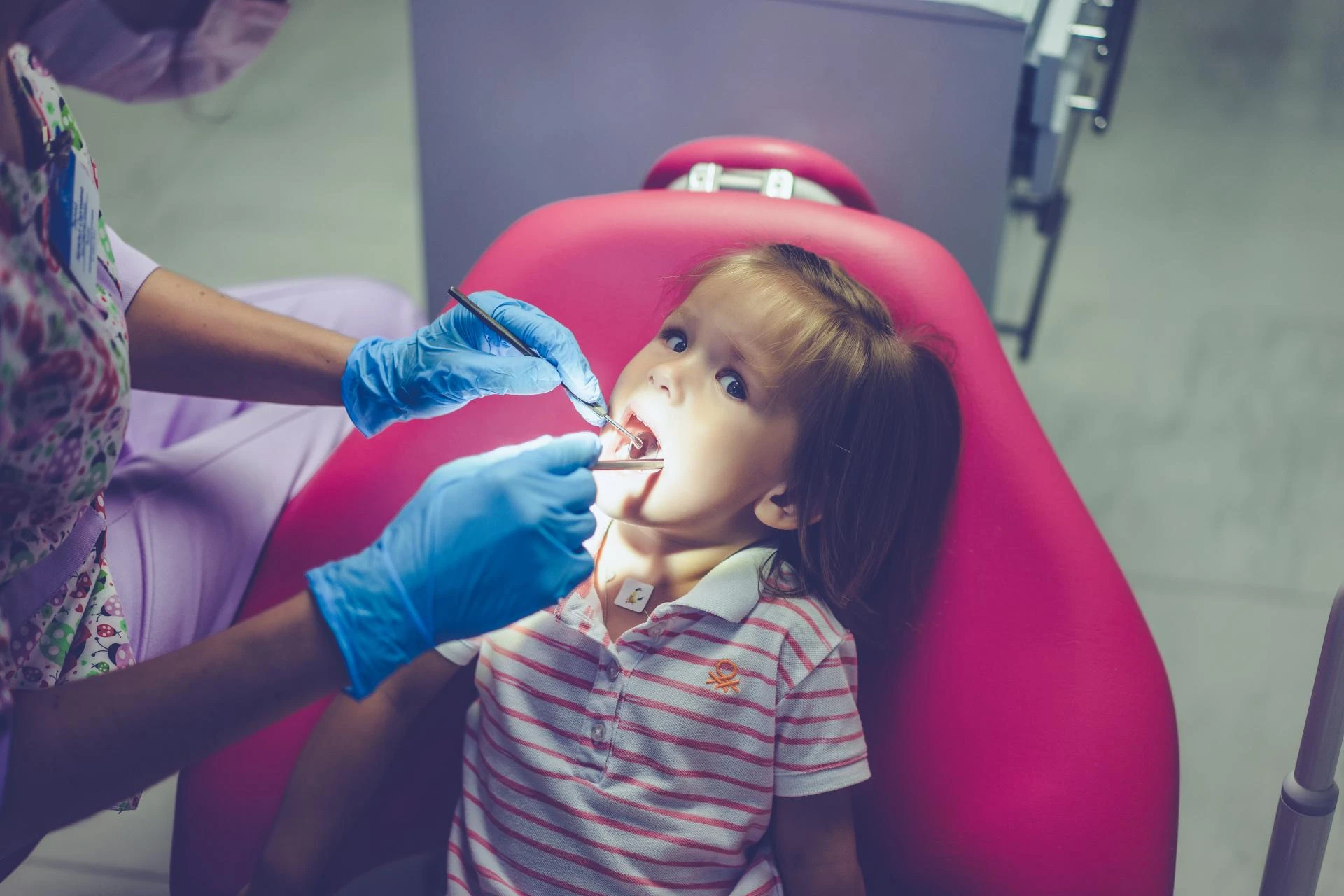

Dental care is essential to maintaining overall health, and starting early is key to ensuring your child develops strong, healthy teeth. Pediatric dentistry plays a vital role in preventing oral health issues and fostering positive attitudes toward dental care. Here are some reasons why early dental visits are crucial for your child’s healthy smile:
Benefits of Timely Visits to Pediatric Dentists
- Prevention of Tooth Decay: Early visits allow a pediatric dentist in Dubai to assess risk factors for cavities and provide preventive measures like fluoride treatments and sealants. Fluoride strengthens tooth enamel, making it more resistant to decay, while sealants protect the grooves and crevices of molars from bacteria.
- Detection of Oral Health Issues: Early visits can identify conditions such as misaligned jaws or gum infections before they become serious. Addressing these issues early can prevent complications that may require more invasive treatments later on.
- Building Positive Dental Habits: Pediatric dentists teach children about oral hygiene and make visits enjoyable, encouraging lifelong habits. They often incorporate toys or rewards to create a fun experience while educating children about the importance of brushing and flossing.
The Role of Baby Teeth in Development
- Chewing and Nutrition: Baby teeth help children chew food properly, ensuring they get the nutrients they need. Proper chewing also aids in digestion, which is crucial for overall health.
- Speech Development: They aid in forming words and speaking clearly. Misaligned or missing baby teeth can affect speech development, leading to difficulties with pronunciation.
- Space for Permanent Teeth: Baby teeth maintain space for permanent teeth to grow correctly. Losing baby teeth too early can lead to overcrowding or misalignment of permanent teeth, potentially requiring orthodontic treatment later on.
Preventing Tooth Decay
- Fluoride Treatments: Fluoride is a powerful tool in preventing tooth decay. It strengthens tooth enamel, making it more resistant to acid attacks from bacteria and sugary foods. Pediatric dentists apply fluoride varnishes during routine visits to enhance this protection.
- Sealants: Tooth-colored coatings are placed on the chewing surfaces of molars and premolars. Sealants act as a barrier, covering grooves and making keeping teeth clean and free from cavities easier. They are especially effective in preventing decay in difficult-to-clean areas.
- Dietary Advice: It is crucial to educate parents on reducing sugary snacks and promoting healthy eating habits. Limiting sugary foods and drinks can significantly reduce the risk of cavities. Pediatric dentists often provide guidance on healthy snacks and meal options that support oral health.
Early Detection of Oral Health Issues
- Orthodontic Evaluations: Orthodontic evaluations often begin around age 7 when permanent teeth start emerging. Early intervention can guide jaw growth and ensure proper alignment, reducing the need for extensive orthodontic work during adolescence.
- Gum Infections: Detecting and treating gum infections early can prevent serious damage. Gum infections can lead to pain, swelling, and even tooth loss if left untreated.
- Developmental Abnormalities: Identifying any developmental issues that may impact oral health is crucial. Conditions such as cleft palate or enamel hypoplasia require early intervention to ensure proper development and function.
Building Positive Dental Habits
- Child-Friendly Approaches: Pediatric dentists use fun and educational methods to make visits enjoyable. They often explain procedures in simple terms and use visual aids to help children understand the importance of oral hygiene.
- Parental Involvement: Parents are taught how to reinforce good oral hygiene habits at home. This includes demonstrating proper brushing techniques, encouraging regular flossing, and limiting sugary snacks.
Addressing Dental Anxiety
- Positive Experiences: Early exposure to positive dental experiences reduces fear. Pediatric dentists strive to create a comfortable environment where children feel safe and supported.
- Parental Attitudes: Parents should maintain a positive attitude toward dental visits. Avoiding negative language about dental experiences can help children view visits as routine rather than frightening.
Guidelines for Early Dental Visits
- First Visit by Age 1: The experts recommend scheduling a child’s first dental visit by age 1 or within six months after their first tooth erupts. This initial visit serves as an opportunity for parents to learn about proper oral hygiene practices and assess their child’s risk factors for tooth decay.
- Examinations and Advice: Initial visits typically include an examination of the child’s mouth and discussions about preventive measures like fluoride use or dietary adjustments. Parents can also ask questions about teething pain management or concerns related to pacifier use or thumb-sucking habits.
Conclusion: Investing in Your Child’s Oral Health
Early dental visits are an investment in your child’s overall health and well-being. They provide opportunities for prevention, education, and building positive associations with oral care that will benefit your child throughout their life.
For families seeking expert pediatric dental care, MyPediaClinic offers comprehensive services tailored to meet the unique needs of young patients. From routine cleanings to preventive treatments like fluoride applications and sealants, the pediatrixc dentist ensures that every child receives personalized care in a comfortable environment designed just for them. Their team of pediatric dentists is dedicated to creating a positive dental experience, helping children develop healthy smiles that will last a lifetime.
























Sign in to leave a comment.