
For a long time, people have identified Artificial Intelligence with hefty servers and extensive cloud frameworks. But for these past few years, a new revolution has come to light: TinyML. TinyML is machine learning for microcontrollers. These are the mini ubiquitous processors in machine learning and AI embedded in copious consumer electronics. Intelligence can now live on the edge, where the data is generated.
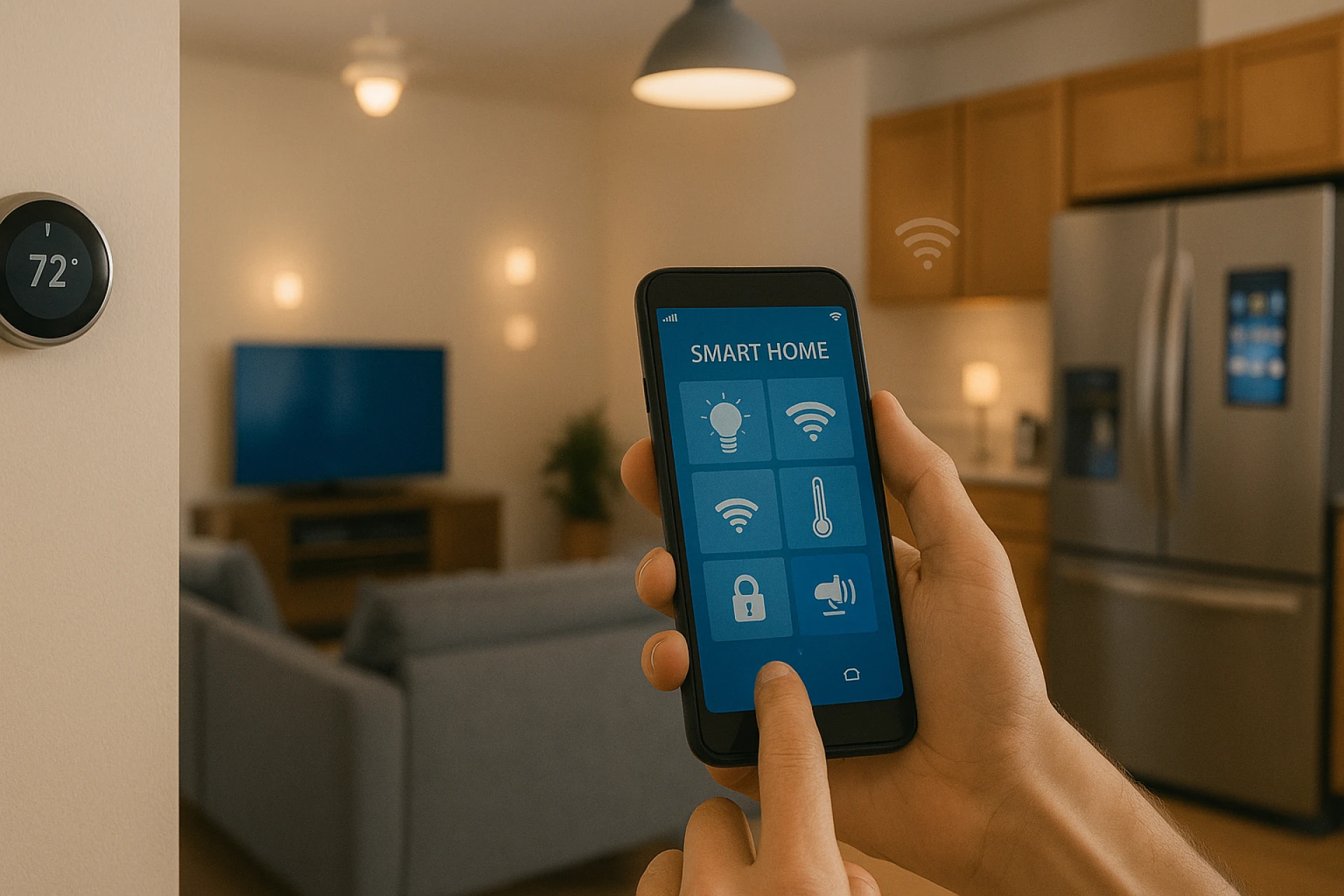
Unlike AI and machine learning applications that require high computational power, TinyML operates with exceedingly low power. TinyML enables a new class of devices, such as sensors, wearables, and smart home appliances, to process data locally, and instantaneously, without needing persistent internet connectivity. Such, until now, unthinkable advancements, are, now, possible.
From Cloud-Heavy to Edge-Light
For many years, AI applications were cloud- and server-centric. Consumer devices would collect data, send it to the servers for processing, and the server would send the analytics back to the device. This approach, though powerful, created latency problems, huge bandwidth consumption, and privacy issues.
The sending, receiving, and processing of data would take time. With TinyML, AI on microcontrollers eliminates such problems. Such tasks as speech recognition, uncuddling, and gesture control can happen in real time, on the device. A system with no cloud dependency is way faster, more secure, and sustainable.
The Role of Microcontrollers in the Smart Era
Microcontrollers are small yet crucial components of technology, driving varied equipment and devices from household appliances to, medical devices and industrial equipment. Initially, microcontrollers executed simplistic and predetermined instructions. This however, change with the advent of TinyML, with microcontrollers acquiring a new level of intelligence.
With the addition of machine learning technology to microcontrollers, decision making becomes instantaneous and real time. Microcontrollers no longer follow instructions. They analyze and recognize patterns. This enables the transformation of simple devices into smart companions that predict the user’s needs and adjust accordingly.
Why TinyML Matters for AI and IoT Solutions
The implementation of Artificial Intelligence and Internet of Things (IoT) applications is centered around the communication between connected devices. TinyML enriches this interaction ecosystem by making devices smart without expanding their energy consumption. Within IoT ecosystems, the ability to perform local data analysis enhances reaction time to immediate needs, resolving potential overwhelming network problems.
TinyML also enhances IoT applications in geographically and technologically remote areas. For instance, agricultural IoT sensors using TinyML technology can analyze soil health data in real-time, thus minimizing the need to maintain a constant connection to an IoT application in the cloud. This enhancement in IoT application has the potential to shift the focus of IoT and AI technology from metropolitan areas to rural areas.
Speed, Privacy, and Efficiency Combined
Among the many notable advantages of TinyML is its remarkable speed. Locally processing data eradicates the delays associated with cloud computing. Whether it is smart doorbells discerning faces or fitness trackers identifying abnormal heartbeats, the response time is instantaneous.
There is also a significant increase in the system's privacy preservation capability. Sensitive information is kept securely on the device and is not transferred anywhere. The balance of high processing speed, privacy preservation, and low power consumption of TinyML microcontrollers makes it battery-operated devices. Given their characteristics, TinyML technologies have the potential to transform the future of artificial intelligence.
Real-World Applications that Inspire
TinyML is not a futuristic idea. It is already being integrated in numerous fields. TinyML healthcare wearables actively monitor positive signs and notify the patients about possible health risks in real time. In smart agriculture, tilling and irrigation systems with weather and soil condition sensors automate crop yield improvement.
Consumer electronics also gain improvements. TinyML smart earbuds offer better noise filtration while advanced home appliances learn user adaptive behaviors. Predicting equipment failures, TinyML integrated industrial IoT systems reduce downtime and cut maintenance costs. The range of possible applications and the potential effect this technology makes it very remarkable.
Challenges on the Road Ahead
Even with its promise, TinyML presents several challenges. Microcontrollers are constrained with far less memory and computing power than regular computers. Efficiently designing models for these miniaturized pieces of technology entails a high degree of optimization.
Challenges in accessibility also pose significant hurdles. Developers encounter significant learning challenges, even with improving TinyML tools. Experts and innovators must design lightweight models with precise accuracy to work within the limits of a microcontroller. Addressing these issues is critical to achieving widespread use.
The Future of AI at the Edge
The future of TinyML is its integration as the primary component of AI at the edge. Advances in Hardware will allow microcontrollers to gain more power and improved efficiency. Along with novel techniques in model compression and training, TinyML will transform a host of cutting-edge applications.
Consider the possibilities of smart cities, where traffic lights adapt to real-time traffic conditions, or TinyML-enabled disaster monitoring systems that provide life-saving moments of advance warning of earthquakes. These examples capture the potential of TinyML to provide enhanced safety, intelligence, and sustainability to human environments.
Challenges on the Road Ahead
The shift toward TinyML is cultural and technological. It indicates a new preference for technology that is affordable, fast, and sustainable. TinyML integrates smart features into microcontrollers paving the way for billions of devices for Artificial Intelligence access.
For businesses, researchers, and innovators, adopting TinyML is venturing into a realm of ubiquitous, yet subtle, AI integration in daily routines. It permanently changes the paradigm that smart technology must reside in clouds. This shift, despite its subtlety, is revolutionary.



























Sign in to leave a comment.