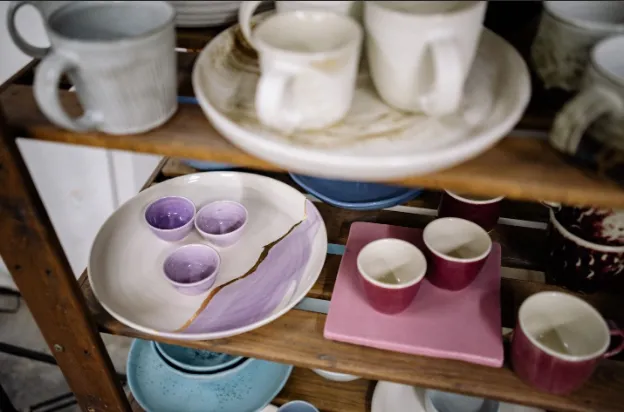

Handmade pottery has a charm that factory-made pieces often cannot match, but that individuality can also create surprises for online shoppers. A mug may feel heavier than expected, a glaze may look different in person, or a bowl may vary slightly from the product photo. These differences do not always mean something is wrong with the piece. In many cases, they simply reflect how handmade ceramics are made.
Still, when shoppers expect exact uniformity, those natural differences can lead to returns. Looking at the most common complaints helps explain what buyers notice after delivery and why clear product information matters before a purchase.
Key Takeaways
- Shipping damage remains a major reason for ceramic returns.
- Product photos and descriptions must accurately represent handmade variation.
- Serious glaze and structural defects should not be confused with normal handmade character.
- Clear dimensions and capacity information help prevent expectation-based returns.
- Customer complaints can help ceramic sellers identify recurring quality issues.
Why Most US Shoppers Return Handmade Ceramics?
The Ceramic Arrives Broken or Damaged
Ceramics are fragile, making shipping damage one of the most common reasons for returns. Customers may receive chipped rims, cracked bowls, broken handles, or completely shattered pieces.
For handmade ceramic pottery sellers, packaging is part of the overall product experience. Even a well-crafted ceramic item can lead to dissatisfaction if it does not survive delivery. Proper cushioning, secure wrapping, and suitable box sizes can significantly reduce avoidable damage.
The Product Looks Different from the Listing Photos
Handmade ceramics naturally vary in color, shape, and glaze appearance. However, customers still expect the item they receive to reasonably resemble the product shown online.
Problems can arise when lighting makes a glaze appear dramatically different or when photographs fail to show texture, irregularities, or variation. Sellers should use clear images and explain that slight differences are part of the handmade process.
Glaze Defects Appear Worse Than Expected
Not every glaze variation is a defect. Speckles, glaze movement, and small color differences may add to the handmade appearance of pottery.
However, issues such as excessive crazing, pinholes, sharp glaze defects, or peeling surfaces can create legitimate concerns. Sellers should carefully inspect finished pieces and distinguish intentional artistic variation from defects that affect quality or function.
The Size or Capacity Is Different from What the Customer Expected
Photographs can make ceramic items appear larger or smaller than they actually are. This is especially common with handmade ceramics like ceramic mugs and bowls.
Sellers should clearly provide height, diameter, and approximate capacity. Including a scale reference can also help shoppers understand the actual size. Clear measurements reduce the risk of customers feeling disappointed when the product arrives.
The Ceramic Has Functional Problems
A handmade piece can look attractive but still create problems during everyday use. A mug handle may feel uncomfortable, a bowl may wobble, or a pottery vase may feel unstable.
Functional testing is an important part of quality control. Makers should inspect balance, smoothness, weight, handles, rims, and stability before listing a product for sale.
Care Instructions Were Not Clear
Customers may return handmade ceramics after discovering that the product is not suitable for the microwave, dishwasher, or other intended uses.
Clear care instructions help prevent these problems. Sellers should explain how the item should be cleaned and whether it is suitable for specific uses. Providing this information before purchase creates more realistic expectations.
Handmade Character Was Mistaken for a Defect
One customer's idea of handmade character may be another customer's idea of poor quality. Small variations in shape, texture, or glaze may be expected by experienced pottery buyers but surprise first-time customers.
The best solution is transparency. Sellers should show representative examples and explain which variations are normal. This allows customers to appreciate handmade ceramics before placing an order.
The Product Description Created the Wrong Expectations
Vague descriptions can contribute to returns. Terms such as “large,” “rustic,” or “smooth” may mean different things to different customers.
Detailed descriptions provide a better buying experience. Instead of describing a mug simply as large, sellers should include its capacity and measurements. Accurate descriptions reduce misunderstandings and help customers make informed decisions.
Wrap Up
U.S. shoppers often return handmade ceramics because the product does not match their expectations. Shipping damage, inaccurate photographs, glaze concerns, incorrect size expectations, functional issues, and unclear descriptions can all contribute.
The best way to reduce returns is not to remove the unique qualities of handmade pottery. Instead, sellers should combine skilled craftsmanship with clear communication, accurate listings, careful quality control, and protective packaging. When customers know exactly what to expect, they are more likely to appreciate the individuality of handmade ceramics.
FAQs
Are small variations in handmade ceramics considered defects?
No. Small differences in color, shape, texture, and glaze can be a normal part of handmade pottery. However, serious structural or functional issues should be treated as quality concerns.
Why do customers return handmade custom mugs?
Common reasons include shipping damage, unexpected size, differences from listing photos, uncomfortable handles, glaze concerns, and functional problems.
How can ceramic sellers reduce product returns?
Sellers can reduce returns by providing accurate photographs, clear measurements, detailed descriptions, quality checks, proper care instructions, and secure packaging.
Should handmade ceramic sellers explain product variations?
Yes. Clearly explaining expected variations helps customers understand the handmade nature of the product and reduces the risk of misunderstandings after delivery.





















Sign in to leave a comment.