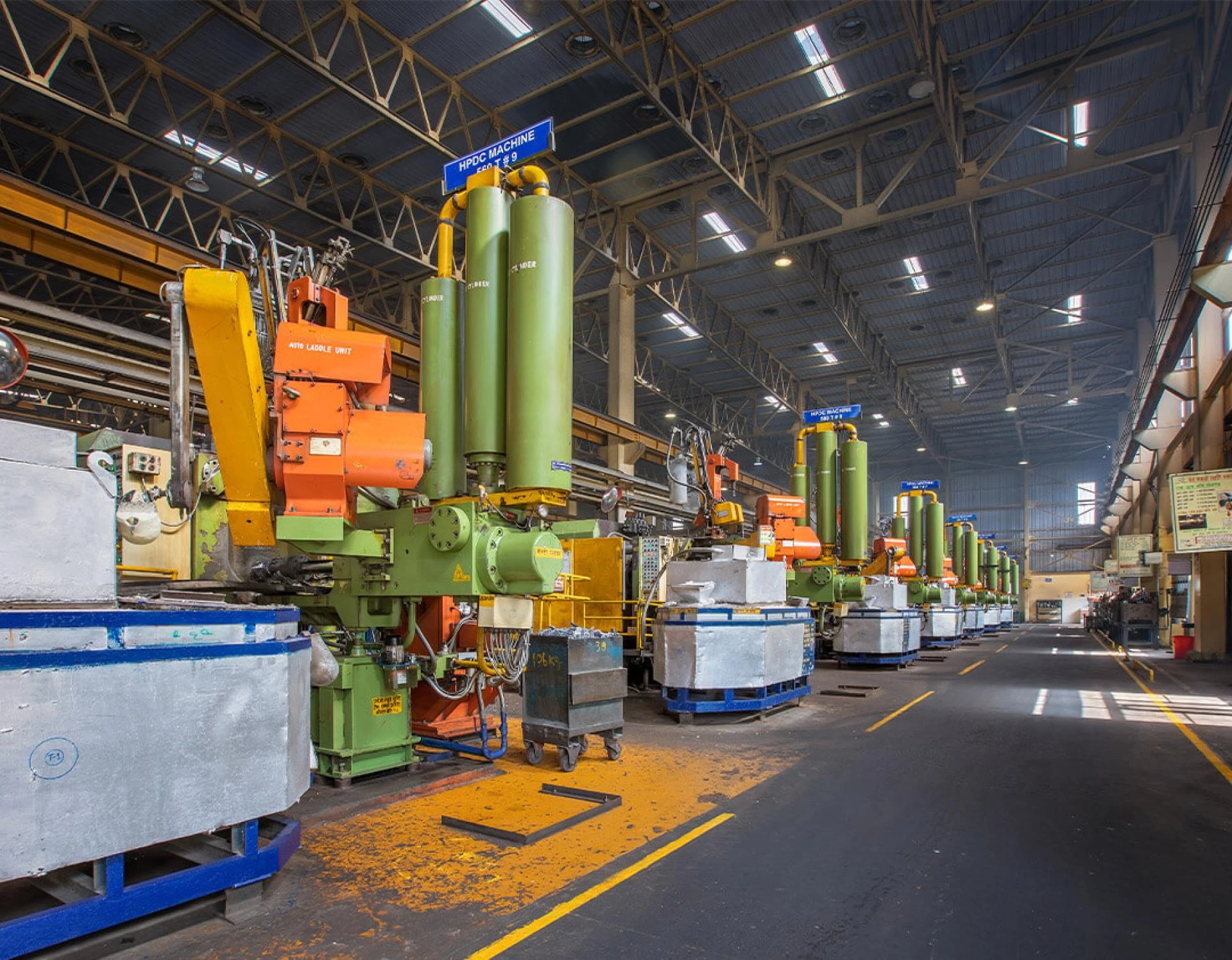

Most often, die casting is utilized for making elements for decorative hardware or the automotive industry besides other components. You will find die cast parts in many things but, at times, people remain unaware that they are created from die cast metal. Common instances of finished products are gears and locks. Some other instances are toys, hooks, power tool housing, door handles, general engineering castings, and golf clubs. Die casts make up most products that need the strength of seamless metal parts, such as pump handles and taps. Compressor valves, camera housings, and engine fans are other instances of die cast products. The automotive and aviation manufacturing sector require aluminium die cast products for their manufacturing processes. In this matter, they depend on the die cast parts manufacturers.
Use of die cast for electrical items
For an electrical item, an aluminium die cast serves as interior closures of electronic parts, computers, and secure housings. Zinc is the ideal choice for different electronic equipment applications because of its high-quality ESD and EMI protection in the absence of gaskets because of the electrical conductivity of zinc. The castings of the prevalent die cast metal industry are used across several sectors for many years. Die cast is regarded as an economical and effective process that proposes a huge array of components and shapes compared to other manufacturing techniques. Again, die cast elements have a lengthy service life too and they enhance a product’s visual appeal.
Differences between die cast and cast aluminium
Though the processes are pretty similar for both die cast and cast aluminium, their methods are different. When it is die cast then it includes some processes, such as gravity casting, sand casting, and low-pressure casting besides other processes of casting. And all these casting processes include different metals, such as aluminium, copper, magnesium, and iron. Contrarily, cast aluminium is a casting method that is created with aluminium metal only for casting aluminium products.
Nonetheless, cast aluminium is accomplished with various heat treatments, and among these heat treatments, T6 is the highly common one. Contrarily, T6 does not seem ideal for die casting because a huge amount of gas gets distributed within the chamber.
Some considerations for aluminium die cast
For maximizing the life of aluminium die cast, you need to consider several factors:
The part’s general designKind of tool that is utilized for creating the dieThe mold’s configuration.Heat-treating processes, die coatings, and die steelThe expectation for part qualityA customer presents a concept before a die is built, and the job of a die cast engineer is assessing a project and working with the customers for optimizing the part design.
A discussion with a die caster might comprise the following:
TolerancesFunctional requirementsProject timingAlloy choiceLifetime and annual volumeOptimizing wall thicknessMating partsWhen people consider aluminium die cast, they get several benefits from it. These casts are corrosion-resistant and lightweight. They have higher electrical and thermal conductivity besides being highly durable. Aluminium die casting continues to remain strong even at a high temperatures and it retains its dimensional sturdiness when the part has thin walls.
Quality die casting matters
Rockman is in this business for more than 20 years. They are one of the few aluminium die cast manufacturers that have the infrastructure for all three die casting processes. They are manufacturing high-quality die casting parts for two-wheelers, four-wheelers, and other automotive or non-automotive parts. As such, the automotive industry depends a lot on die casting products. When quality matters, top die casting manufacturers like Rockman never compromise.


























Sign in to leave a comment.