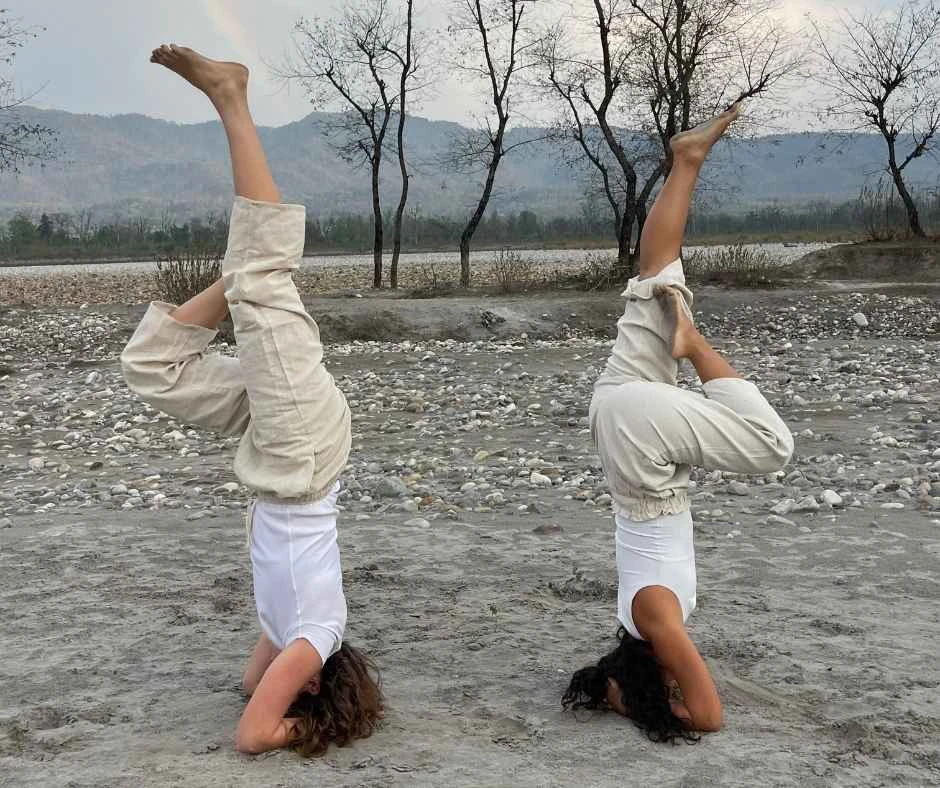

In a fitness culture driven by speed, sweat, and extremes, many people feel pressured to push harder and move faster. Yet, despite intense workouts, fatigue, injuries, and burnout are more common than ever. This growing disconnect has led many to rediscover an essential truth: the body naturally craves slow, mindful movement.
Yoga and gentle movement practices are not signs of weakness—they are responses to what the nervous system and body truly need.
The Stress–Exercise Paradox
High-intensity workouts place significant stress on the body. While short-term stress can build strength, chronic intensity without recovery overwhelms the nervous system. This can lead to:
- Hormonal imbalance
- Elevated cortisol levels
- Joint and muscle strain
- Mental exhaustion
Slow movement offers balance by supporting restoration rather than constant stimulation.
How Slow Movement Supports the Nervous System
Slow, controlled movement activates the parasympathetic nervous system, responsible for rest, digestion, and healing. This allows the body to:
- Recover more efficiently
- Reduce inflammation
- Improve sleep quality
- Restore energy levels
Yoga, tai chi, and mindful mobility practices are often recommended in yoga teacher training in India programs for this reason.
Better Muscle Engagement, Less Wear and Tear
Moving slowly increases muscle awareness and joint stability. Instead of momentum, muscles are engaged consciously, reducing injury risk while improving strength and alignment.
Yoga postures held with awareness build functional strength without overloading the joints—making them sustainable long-term.
Slow Movement Improves Breath and Oxygenation
Fast-paced workouts often encourage shallow breathing. In contrast, slow movement naturally deepens the breath, improving oxygen flow and circulation.
Breath-synchronized movement:
- Enhances endurance
- Improves focus
- Supports cardiovascular health
- Calms the mind
This breath–movement connection is a foundational teaching in 200 Hour Yoga Teacher Training in Bali programs.
Emotional and Mental Benefits of Slowing Down
The body stores emotional tension, especially during stressful periods. Slow movement allows time for awareness, release, and emotional processing.
Practices such as:
- Gentle yoga flows
- Yin yoga
- Restorative poses
help release deep-seated tension while cultivating mental clarity and emotional balance.
Longevity Over Burnout
Intense workouts may deliver quick results, but slow movement supports long-term health and mobility. Consistent, gentle practices maintain flexibility, posture, and strength as the body ages.
This approach aligns with yogic philosophy, where sustainability and balance are valued over extremes.
Why Yoga Feels So Restorative
Yoga meets the body where it is. Rather than forcing change, it encourages cooperation between breath, movement, and awareness—allowing the body to self-regulate and heal.
This is why yoga is increasingly recognized as a cornerstone of holistic fitness routines and a key component of preventive health.
Integrating Slow Movement Into Daily Life
You don’t need to abandon intensity entirely. Balance is key.
Try:
- Gentle yoga on recovery days
- Slower warm-ups and cool-downs
- Mindful stretching before bed
- Breath-led movement sessions
Many students experience this balanced approach during immersive trainings like 200 Hour Yoga Teacher Training in Rishikesh, where rest and awareness are considered just as important as effort.
Final Thoughts
Your body isn’t asking you to stop moving—it’s asking you to move with awareness. Slow movement respects the nervous system, protects the joints, and restores energy in a way intense workouts often cannot.
In a world that constantly pushes faster and harder, choosing slow, mindful movement is not a step back—it’s a step toward sustainable health, resilience, and inner balance.
Sign in to leave a comment.