
announcing themselves. The good news? Sounds usually point to specific, fixable issues. I’ve traced plenty of late-night noises back to a worn seal, a mis-set float, or a fill valve that’s seen better days. If you’re hearing a steady hiss or an occasional gurgle, start with gentle checks before reaching for tools. And if you prefer a quick, professional path, a toilet repair service can diagnose, supply compliant parts, and reset the system without guesswork. Below, I’ll map common sounds to causes, the simple tests I run first, and when it’s smarter to bring in licensed help.
Common toilet noises and likely causes
A sound is a symptom. Match the tone and timing to a short list of suspects and you’ll narrow the fix fast.
- Constant hiss: Fill valve weeping or high water pressure. Look for a slow trickle into the bowl and check the float height.
- Whistle or squeal: Worn valve washer or partially closed stop tap. The pitch rises as the cistern fills.
- Gurgle after flush: Venting restriction or partial blockage downstream. Air looks for a path, and the bowl talks back.
- Single thud (“water hammer”): Fast-closing valve with no cushioning. The pipe knocks when the valve snaps shut.
Most fixes are straightforward once you isolate the culprit: adjust a float, replace a washer, or fit an arrestor to tame the thud. If the bowl level creeps or drops overnight, add dye to the cistern and watch for colour slipping into the pan—quiet leaks are common and costly over time.
When to DIY and when to call licensed help
Some jobs are safe and simple; others need a licensed set of hands. The line is usually where pressure, drainage, and compliance meet.
- Safe DIY checks: Inspect the fill valve, float, and flapper; clean grit from the valve seat; reseat the cistern lid.
- Call a pro: Persistent hammering, recurring overflows, or venting issues that point to the stack rather than the cistern.
- Parts compliance: Look for fittings with recognised marks; compliant components protect warranties and performance.
- Documentation habit: Note model numbers and dates; future you (or a technician) will fix faster with a short history.
Regulatory context matters. Guidance for licensed plumbers and drainers sets expectations for who can do what, how work is certified, and why using the right parts isn’t just box-ticking—it’s long-term protection for your home.
Quick diagnostic steps you can try today
Before swapping parts, run a tight, five-minute sequence. It saves time and avoids changing two things at once.
- Silent fill test: Lift the cistern lid and listen. If the hiss stops when you raise the float, the setting is off rather than the valve failing.
- Dye test: A few drops of food colour in the cistern. If the bowl colours without flushing, the flapper or seat is leaking.
- Stop tap sweep: Turn the isolation valve fully open, then back a quarter. Partially closed valves often whistle.
- Flush-and-watch: After a flush, watch the refill. A shudder or knock near the end suggests hammer control or a new fill valve.
If you want a deeper checklist to keep handy, Sydney toilets repair tips walk through common household scenarios with simple, low-risk steps. I keep a small notebook by the toolbox; two lines about symptoms, time, and what changed since last week often point straight at the fix.
Parts, standards and the long-term view
Small choices now decide whether you’ll revisit the same noise next season. Focus on quality parts, clean water flow, and gentle shutoff.
- Valve quality: Durable fill valves and flappers hold settings and resist grit; cheap options drift and hiss sooner.
- Pressure control: A pressure-limiting valve steadies the system; high pressure makes every noise louder.
- Certified fittings: Look for marks recognised in the trade; certification signals materials and performance you can trust.
- Supply chain sanity: Buy parts from reputable suppliers so specs match reality and returns are simple.
When I’m spec'ing components, I look for certification marks like Watermark, browse common catalogue options from large trade suppliers such as Reece Plumbing, and cross-check typical repair costs on neutral consumer sites like HomeAdvisor to set expectations. For a broader, homeowner-friendly overview, toilet repairs and maintenance outlines the rhythm of small fixes that prevent bigger ones later—clean seals, stable floats, and valves that close softly rather than slam.
What do noises mean in everyday terms
A few real-world notes from recent visits make the patterns easier to remember.
- High, steady hiss: The system is topping up water you can’t see. Think “tap left slightly on.” Fix the fill valve setting or seat.
- Rising squeal mid-fill: Friction in the valve path. A replacement washer or full valve swap is the clean solution.
- Gluggy gurgle post-flush: Air in the line from a vent or partial blockage. If other fixtures talk too, call licensed help.
- Sharp thud at shutoff: Fast closure plus lively pressure. Add an arrestor and steady the pressure to calm the pipework.
These aren’t just noises; they’re little messages. Respond with the smallest effective adjustment, then stop and listen again. Over-tinkering can create new problems faster than it solves old ones.
Bringing it together for a quiet, reliable toilet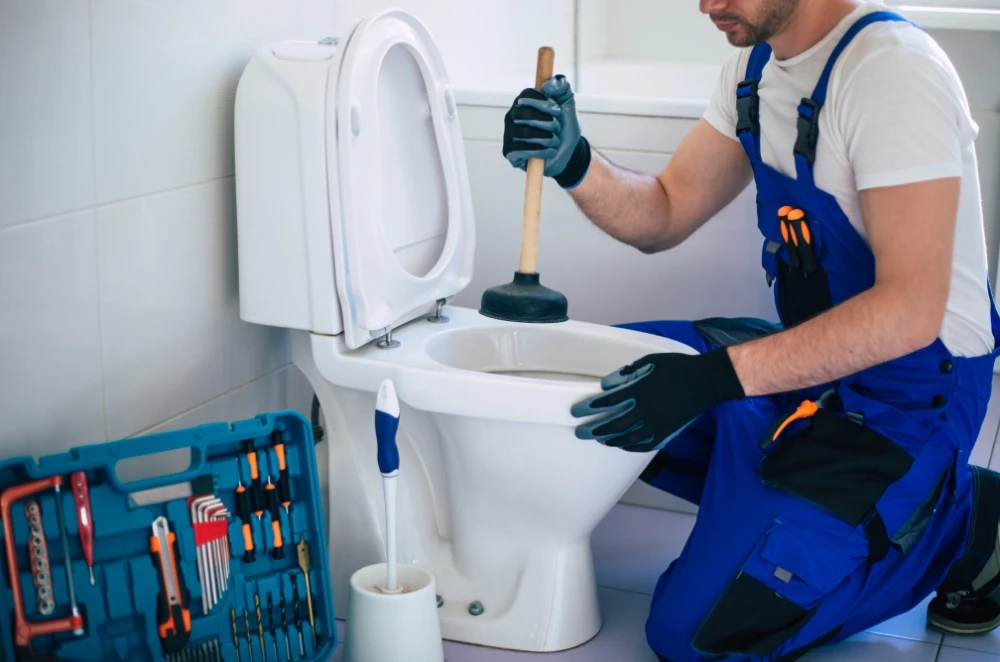
Start with the sound, match it to a small set of suspects, and work in calm, reversible steps. A silent fill test and a quick dye check confirm whether the cistern is sneaking water into the bowl; a sweep of the isolation valve tells you if a whistle is just a half-closed tap; a deliberate flush-and-watch reveals whether the thud you hear is a fast-closing valve or unruly pressure. When the job asks for more than a screwdriver—downstream venting, recurring overflows, or pressure that won’t settle—lean on licensed help and parts that carry proper certification. Keep model numbers, take a photo before you change settings, and make one adjustment at a time. Most noisy toilets don’t need heroics, just good sequencing and parts that hold their position. The reward is quiet confidence: a flush that fills, stops, and stays stopped, and a bathroom that fades back into the house’s background hum.

























Sign in to leave a comment.