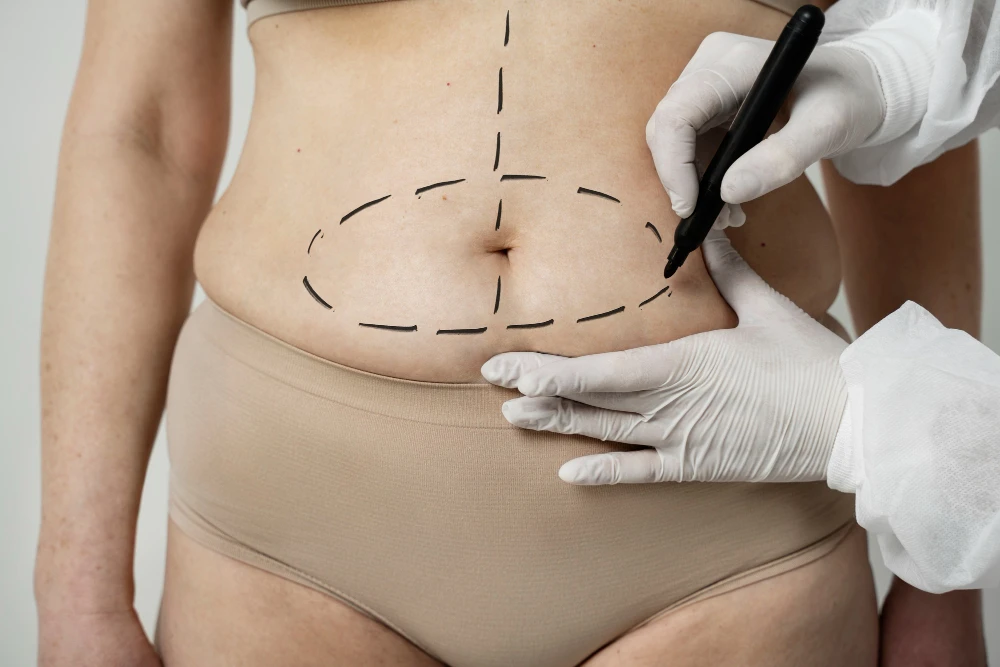

One of the most common concerns among individuals considering tummy tuck surgery is whether the procedure will leave noticeable scars. Tummy tuck surgery, or abdominoplasty, is a transformative procedure that helps individuals achieve a flatter, firmer abdomen by removing excess skin and fat and tightening the abdominal muscles. However, like any surgical procedure, tummy tucks come with the possibility of scarring. Understanding the factors that influence scar formation, how scars are managed, and what to expect in terms of healing can help set realistic expectations for those considering the surgery.
In this blog, we will discuss how tummy tuck surgery can affect scarring, what makes some scars more noticeable than others, and how you can minimize the visibility of scars after surgery.
Understanding Tummy Tuck Surgery
A tummy tuck surgery is primarily performed to improve the appearance of the abdomen, particularly after significant weight loss or pregnancy. The procedure involves removing excess skin, fatty tissue, and sometimes the creation of a more defined abdominal contour by repairing or tightening the muscles. The surgery can also address conditions like diastasis recti (separation of abdominal muscles) or excess skin left after pregnancy.
There are different types of tummy tucks, and the specific technique used will impact the extent and location of scars. The most common forms of tummy tuck surgery include:
- Full Tummy Tuck: This procedure involves a horizontal incision along the lower abdomen, from hip to hip. The surgeon removes excess skin and fat and tightens the abdominal muscles. This is typically recommended for individuals with more significant amounts of excess skin, particularly those who have lost a substantial amount of weight or women who have had multiple pregnancies.
- Mini Tummy Tuck: A less invasive option, a mini tummy tuck involves a smaller incision, typically just below the belly button. This procedure is ideal for individuals who have localized excess skin or fat, primarily in the lower abdomen.
- Extended Tummy Tuck: This technique is often used when there is excess skin not only on the abdomen but also on the flanks (sides of the body). The incision may extend beyond the traditional bikini line to address these areas.
Regardless of the technique, tummy tuck surgery generally involves a horizontal incision, which will leave a scar. However, the placement and size of the scar vary based on the procedure performed and the individual’s body.
Do Tummy Tucks Always Leave Scars?
Yes, tummy tuck surgery will always leave some form of scarring, as it is a surgical procedure that involves cutting and reshaping tissues. However, how noticeable the scar is can depend on various factors, including the technique used, the patient’s healing process, and post-surgical care. The key to minimizing visible scarring lies in understanding the factors that influence scar formation and how to manage them effectively.
1. Location and Size of the Incision
The location of the incision is one of the most significant factors influencing the visibility of the scar. In a full tummy tuck, the incision is typically made along the lower abdomen, just above the pubic area, extending from hip to hip. This placement ensures that the scar is hidden beneath clothing and swimwear. In fact, for many patients, the scar is strategically placed in the bikini line, making it less noticeable and easier to conceal.
For a mini tummy tuck, the incision is smaller, often located just below the belly button. This procedure leaves a smaller scar that is also usually well-hidden in the lower abdominal region.
However, the size of the incision will depend on the amount of excess skin being removed. For patients with more significant skin sagging or after massive weight loss, the incision may need to be longer to ensure the desired results. While the incision will leave a scar, the strategic placement of the incision helps minimize its visibility.
2. The Type of Skin You Have
The type of skin you have plays an important role in how your scar will heal. Individuals with darker skin tones may experience hyperpigmentation, where the scar becomes darker than the surrounding skin, while lighter skin tones may experience hypopigmentation (lighter scars). Additionally, some people may be more prone to developing keloids or hypertrophic scars, which can be raised and thickened. Your surgeon will discuss the potential for scarring based on your skin type and healing tendencies, so you can have realistic expectations.
3. Surgeon’s Skill and Technique
The skill of the surgeon is one of the most critical factors in minimizing scarring. A highly experienced, board-certified plastic surgeon will take precise care to make incisions in areas that are naturally hidden, like the bikini line, and use advanced techniques to minimize tension on the skin. The quality of the sutures used and how they are placed also affects the healing process and the eventual appearance of the scar.
Surgeons with experience in tummy tuck surgery know how to minimize the risk of complications such as wide or raised scars by using techniques that promote proper healing. They will also place the incision in such a way that it is less noticeable, ensuring the best possible cosmetic outcome.
Healing and Managing Scarring After Tummy Tuck Surgery
While scarring is an inevitable part of tummy tuck surgery, there are several ways to ensure that the scars heal properly and become less noticeable over time. Proper post-surgical care can significantly influence the appearance of scars. Here are some essential tips for managing your scars after surgery:
1. Follow Post-Operative Care Instructions
Following your surgeon’s post-operative care instructions is crucial for minimizing scarring. These instructions will include guidance on how to care for your incision site, when to start wearing compression garments, and when it is safe to resume normal activities. Avoiding strenuous activities and heavy lifting will help the skin heal without tension that could make the scars more prominent.
2. Use Silicone Gel Sheets or Scar Creams
Silicone gel sheets or scar creams can be applied to the scar once the incision has fully healed. These products are designed to flatten and reduce the appearance of scars. Studies have shown that silicone-based products help to reduce the redness and raised appearance of scars. Applying these treatments consistently over the months following surgery can result in a smoother, less visible scar.
3. Protect Your Scars from Sun Exposure
Sun exposure can make scars darker and more noticeable. It is important to keep the scar covered and protected from direct sunlight for several months following your surgery. Using sunscreen with a high SPF (at least 30) on the scar will protect it from UV rays and help prevent hyperpigmentation. Once the scar has healed, avoiding sun exposure can ensure it does not darken.
4. Be Patient During the Healing Process
It’s important to understand that scars take time to mature. The scar will initially appear red or dark, but it will gradually fade and soften over the course of several months to a year. Scars will typically be most visible in the first few weeks after surgery and will continue to improve as they mature. Patience is key during this process.
What to Expect in Terms of Scar Visibility
The final appearance of your scar will depend on multiple factors, including the extent of surgery, the surgical technique used, your skin type, and how well you follow aftercare instructions. In most cases, the scar will be low on the abdomen and hidden by underwear or swimwear. For women, the scar is typically placed along the bikini line, which helps keep it discreet.
With proper care, the scar will likely fade over time, becoming a thin, faint line that is much less noticeable than the initial appearance. It’s also important to note that the goal of tummy tuck surgery is not just to remove excess skin, but to create a more sculpted and aesthetically pleasing abdominal contour, which will likely make any scarring secondary to the improved appearance of the abdomen.
Conclusion
While tummy tuck surgery will always result in some scarring, the extent and visibility of the scars depend on a variety of factors, including the type of surgery, the skill of the surgeon, and how well the patient follows aftercare instructions. In most cases, the scars are placed strategically along the lower abdomen and can be hidden under clothing. With proper care and patience, the scars will fade significantly over time.
If you’re considering tummy tuck surgery, it’s essential to discuss your concerns about scarring with a board-certified plastic surgeon. They can provide personalized advice based on your unique circumstances, helping you understand what to expect and how to achieve the best possible results. Ultimately, the benefits of a flatter, firmer abdomen often outweigh the initial concern about scarring, and with the right care, you can achieve a satisfying cosmetic outcome.
For more insights, you can explore other articles on related topics
Does a Tummy Tuck Help With Post-Pregnancy Belly?
Is tummy tuck result permanent or temporary?
































Sign in to leave a comment.