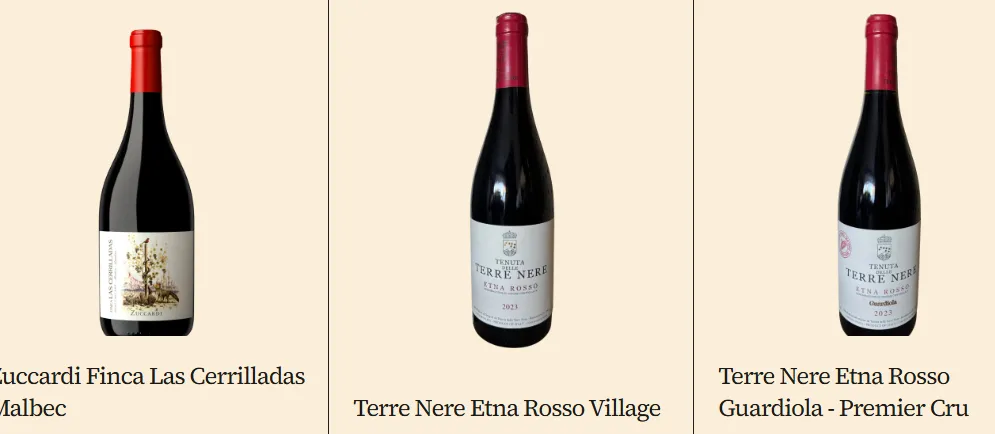

Walking into a winery can feel a bit intimidating. There are many glasses, different colors, and people using words that do not always make sense. But tasting wine is just about paying attention to what you are drinking. You do not need a fancy vocabulary to enjoy it. It is mostly about using your senses to see what you actually like.
Look at the glass
The first step is simply looking at the wine. Tilt your glass slightly over a white background like a napkin or a tablecloth. This helps you see the actual color and clarity. Younger white wines usually look pale or green, while older ones turn more golden. For reds, a bright ruby color often means a younger wine, while a brownish tint suggests it has some age. It is a quick way to get a hint of what is coming before you even take a sip.
Give it a swirl
Swirling might look like a performance, but it has a real purpose. It lets oxygen hit the wine, which helps release the aromas. Hold the glass by the stem and move it in small circles on the table. This keeps things from getting messy. Once you see the wine coating the sides of the glass, you are ready to smell it.
Use your nose
Smelling is arguably the most important part of the process. Most of what we think is taste actually comes from our nose. Stick your nose right into the glass and take a deep breath. Do not worry about finding "correct" scents. Just think about what it reminds you of. Maybe it smells like fresh grass, or perhaps it smells like a bowl of cherries. There are no wrong answers here.
Take a sip
When you finally taste it, do not just swallow. Let the wine move around your mouth so it hits every part of your tongue. Think about the texture. Is it light like water or thick like syrup? Does it make your mouth feel dry, or is it tart and mouth-watering? Learning how to taste wine takes a little patience, but you will start noticing these details quickly.
Think about the finish
After you swallow, pay attention to the aftertaste. This is called the finish. A high-quality wine usually leaves a pleasant flavor that lingers for a while. If the taste disappears instantly, it might be a simpler wine. If it feels harsh or bitter at the end, it might not be well-balanced.
Conclusion
Tasting wine should be fun, not a test. The more you try, the more you will understand your own palate. It is about discovering what flavors make you happy. If you want to explore different bottles and stories, check out Spoken Wines. They help make the world of wine feel a lot more personal and straightforward.





























Sign in to leave a comment.