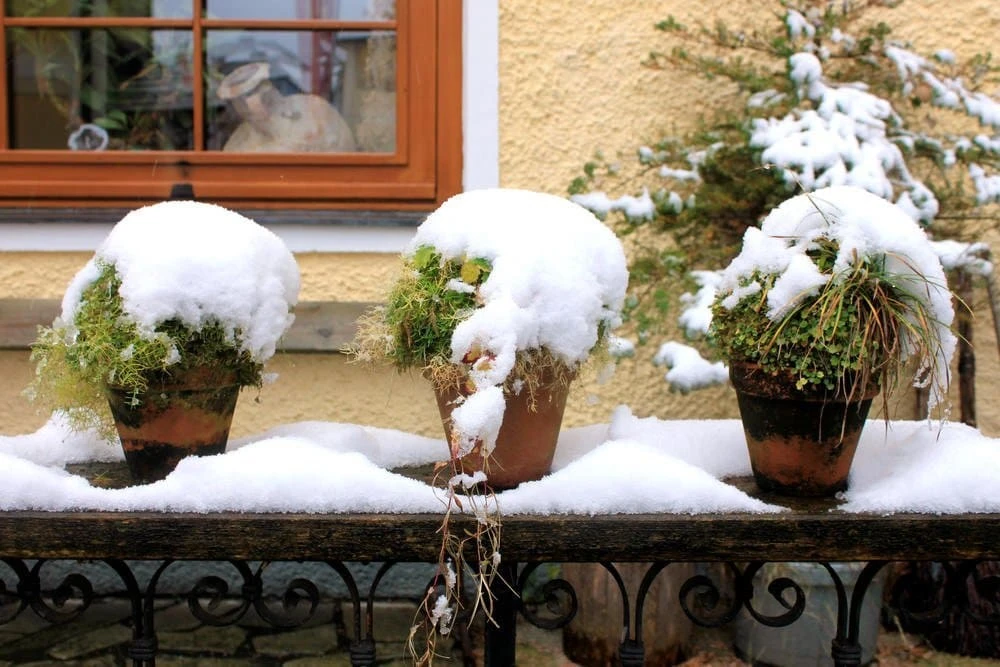

As winter approaches, gardeners often find themselves facing the challenge of protecting their beloved plants from the harsh elements. While the colder months can be daunting for both novice and experienced gardeners, with the right knowledge and preparation, you can ensure that your garden thrives even in the coldest of weather. Explore variety of Planters at JB Saeed Studio. In this article, we will provide you with a comprehensive guide on winter garden tips and how to care for your plants during the cold season.
Assess Your Garden
Before diving into specific care tips, it's essential to take a good look at your garden and assess the unique needs of your plants. Different plants have different requirements, and understanding your garden's specific characteristics will help you tailor your care approach effectively.
Take note of the following:
Plant Types: Identify the types of plants you have in your garden, including annuals, perennials, shrubs, and trees. Each type may require different care during winter.Hardiness Zones: Determine your USDA hardiness zone to understand the typical winter conditions in your area. This information will help you select appropriate plants for your region and make decisions about winter care.Microclimates: Be aware of any microclimates in your garden. Microclimates can be warmer or cooler areas due to factors like proximity to buildings, water features, or windbreaks. Tailor your care based on these variations.Choose the Right Plants
When planning your garden, it's crucial to select plants that are well-suited for your region's winter climate. Native and cold-hardy plants are more likely to survive and thrive in cold weather. Some popular winter plants include:
Evergreens: These plants retain their foliage throughout the winter, providing year-round interest and acting as a protective cover for other plants.Winter-flowering plants: Some species bloom in winter, adding color and vibrancy to your garden. Examples include winter jasmine, pansies, and hellebores.Cold-hardy perennials: Choose perennial plants that can withstand the cold, such as coneflowers, sedum, and hostas.Bulbs: Plant spring-blooming bulbs like tulips and daffodils in the fall to enjoy colorful displays when the weather warms up.
Mulch Your Garden
One of the most effective ways to protect your plants from the cold is by applying mulch. Mulch acts as an insulating blanket for the soil, reducing temperature fluctuations and preventing frost heaving. Here's how to use mulch effectively:
Apply a 2-4 inch layer of mulch around your plants, leaving a small gap between the mulch and the plant's base.Use organic mulch, such as wood chips, straw, or shredded leaves, to enhance soil structure and provide nutrients as it breaks down.Be mindful not to pile mulch against the base of shrubs or trees, as this can create a haven for pests and diseases.Replenish mulch as needed throughout the winter, especially if it becomes compacted or decomposes.Water Wisely
Proper watering is crucial during the winter months. Although plants generally require less water in cold weather, they still need hydration. Here are some tips for watering in winter:
Water in the morning: Watering early in the day allows the soil to absorb moisture before temperatures drop, reducing the risk of ice formation.Water when necessary: Monitor the moisture level of your garden's soil. If it's dry to a depth of one inch, provide a deep watering to maintain adequate hydration.Avoid overwatering: Overly wet soil can lead to root rot, which is especially dangerous in cold weather. Ensure good drainage to prevent excess water buildup.Use soaker hoses or drip irrigation to deliver water directly to the plant roots while minimizing the risk of freezing on the leaves.Protect Sensitive Plants
Not all plants can endure harsh winter conditions. Some may need extra care and protection. Here are ways to shield sensitive plants from the cold:
Cover with burlap or blankets: Wrapping vulnerable plants in burlap or frost blankets provides insulation and protects them from extreme cold.Use plant shelters: Enclosure systems or plant shelters are designed to protect individual plants or small groupings. They offer a more controlled environment and can be particularly useful for potted plants.Move potted plants indoors: If you have potted plants that are not cold-hardy, consider bringing them inside or into a garage during the coldest periods.Use windbreaks: Erect windbreaks like burlap screens or snow fencing to shield plants from strong winds, which can accelerate moisture loss and damage leaves.Prune with Care
Pruning plays a significant role in winter plant care. While it may be necessary to trim dead or diseased branches, be cautious when doing so in the colder months. Here's how to prune your plants in winter:
Prune in late winter or early spring: Wait until the dormant period is ending before pruning. This allows the plant to focus its energy on recovery and new growth.Remove dead or damaged branches: Pruning these parts helps improve the overall health of the plant and prevents disease from spreading.Avoid heavy pruning: Limit extensive pruning during the winter, as it may stimulate new growth that can be vulnerable to frost damage.Always use sharp and clean tools to make precise cuts that heal well.Maintain Proper Air Circulation
Good air circulation in your garden is essential for preventing fungal diseases that can thrive in the cool, damp conditions of winter. Here's how to maintain proper air circulation:
Prune or thin out overcrowded plants to allow for better airflow.Remove fallen leaves and debris from the garden to prevent the buildup of moisture-retaining mulch that can harbor disease.Avoid planting too close to structures, as this can create pockets of stagnant air and moisture.Be Mindful of Wildlife
Winter can be a challenging time for wildlife, and they may turn to your garden for sustenance. Be aware of potential garden visitors like deer, rabbits, and rodents that might nibble on your plants. To protect your garden:
Install fencing or netting to deter larger animals.Use repellents or natural deterrents like garlic or cayenne pepper to keep smaller animals at bay.Consider providing bird feeders with seeds and suet to attract birds, which can help control insect populations in your garden.Monitor Pest and Disease Activity
While pests and diseases may be less active during the winter, some can still pose a threat. Keep an eye out for signs of infestations or disease, such as yellowing leaves, wilting, or unusual growth. Here's how to deal with potential issues:
Prune and remove affected plant parts to prevent the spread of disease.Apply horticultural oils or insecticidal soaps to control overwintering pests on your plants.Keep an eye out for pests in your compost pile, as some can overwinter there and reemerge in the spring.Plan for Spring
Although winter may seem like a time of dormancy in your garden, it's also an excellent opportunity to plan and prepare for the upcoming spring season. Use this time to:
Order seeds and supplies: Plan your garden and order seeds, bulbs, and any necessary gardening supplies well in advance.Create a garden journal: Keep notes about what worked well and what didn't in your garden during the past growing season. Use this information to make improvements.Research and design: Explore new plant varieties, layout designs, and garden projects for the spring.Repair and maintain tools and equipment: Ensure that your gardening tools and equipment are in good working order for the upcoming season.In Conclusion
Caring for your garden during the winter months requires attention to detail and a deep understanding of your local climate and plant needs. By following these winter garden tips, you can ensure the health and vitality of your plants, even in the coldest of weather. Remember to assess your garden, choose the right plants, provide adequate mulch and water, protect sensitive plants, prune with care, maintain proper air circulation, be mindful of wildlife, monitor pest and disease activity, and plan for spring. With the right care and preparation, your garden can thrive year-round, bringing joy and beauty to your outdoor space, even in the depths of winter.











Sign in to leave a comment.