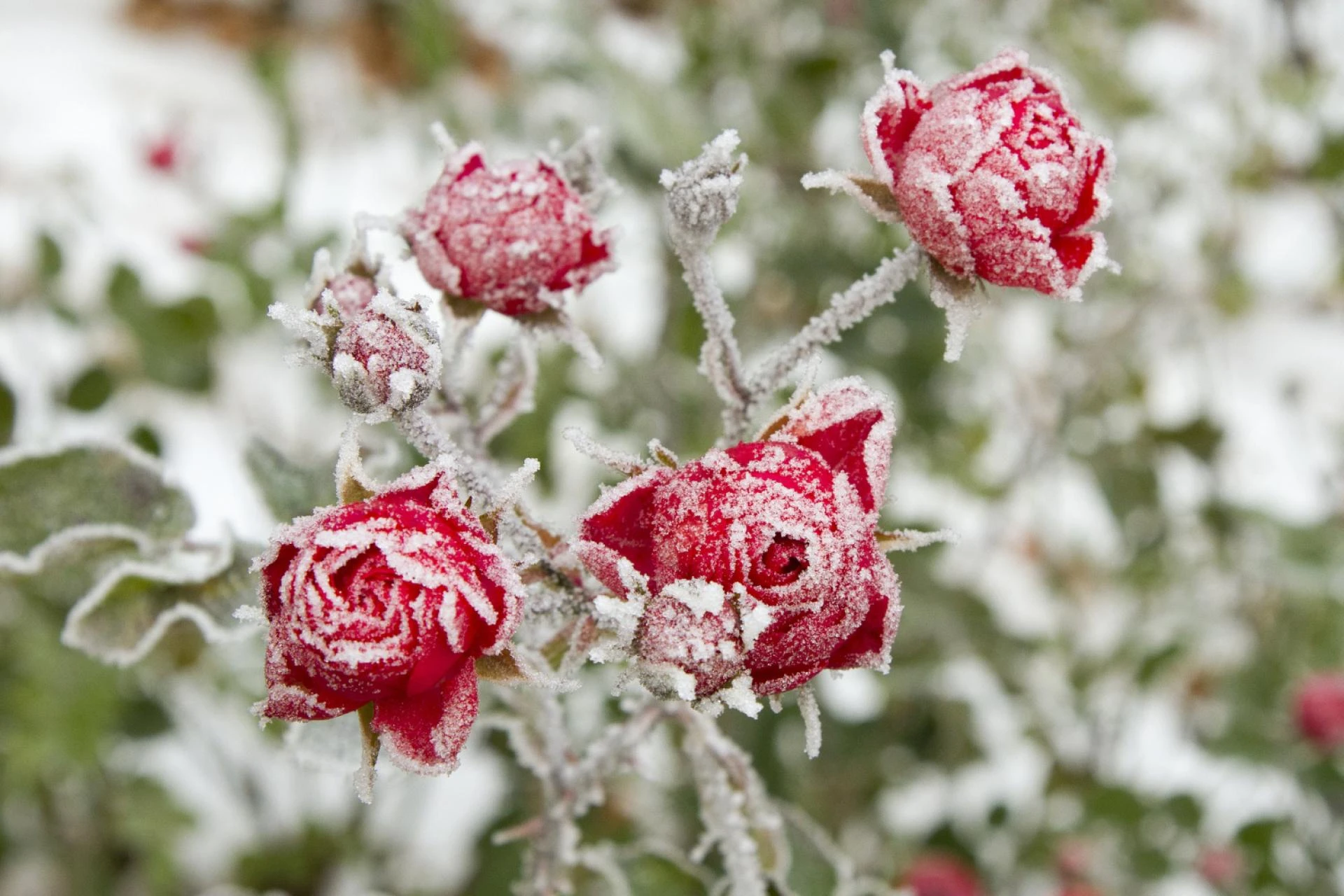

Winter often makes gardens look empty and lifeless, but it doesn’t have to be that way. Many homeowners across the United States are now adding winter-season flowers to bring color and warmth to their outdoor spaces during the coldest time of the year. These flowers are specially suited to low temperatures and short days, making them reliable options for winter gardening. They brighten up yards, support local wildlife, and make outdoor areas look more inviting even when snow or frost is on the ground.
This article explains why winter flowers are useful, how they work, and why they are a smart choice for anyone who wants a healthier and more attractive garden during the cold months.
What Are Winter Season Flowers?
Winter season flowers are plants that can survive and bloom in cold weather, frost, and reduced sunlight. Unlike typical summer flowers, these plants are naturally adapted to harsh winter conditions. They can keep growing when temperatures drop, and most other plants go dormant.
These flowers usually have strong roots, thick petals, and the ability to handle both wet and dry winter soil. Many of them also bloom slowly over long periods, giving gardens steady color instead of fading quickly.
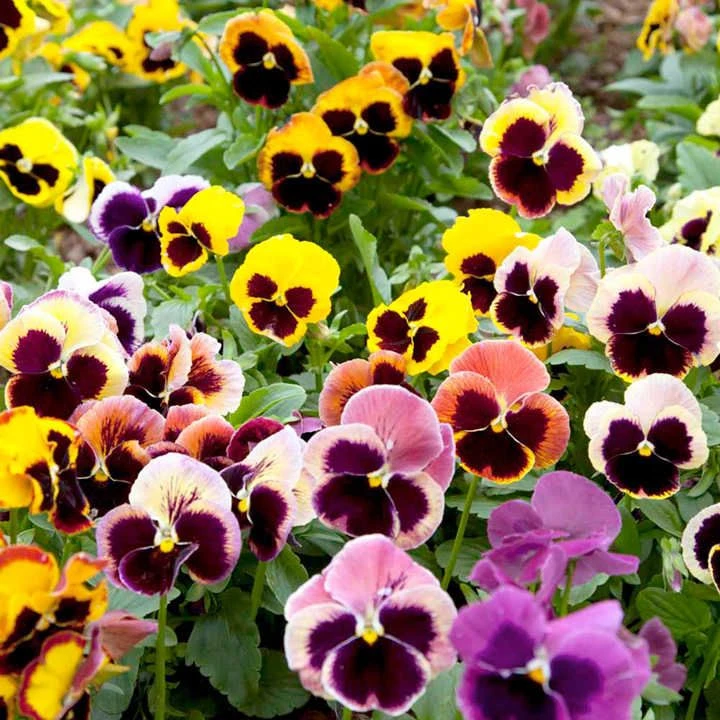
Pansies, violas, hellebores, cyclamen, primroses, snapdragons, and camellias are some of the most popular winter flowers. Each one brings a different look and offers unique benefits for the winter garden.
Why Winter Season Flowers Are Good for Your Garden?
Winter flowers provide several important advantages. They improve garden health, support the environment, and keep outdoor spaces beautiful when most plants have stopped growing. Here are the main benefits.
Adds Color During the Coldest Months
One of the biggest advantages of planting winter season flowers is the burst of color they bring at a time when gardens are usually dull and gray. Flowers like pansies, violas, and primroses bloom in bright shades of purple, yellow, orange, and pink.
These blooms make your garden look lively even after frost or snowfall. They also create a welcoming environment for guests and family members during the winter holidays.
Keeps Your Garden Healthy Year-Round
Winter flowers help maintain a healthier yard. Their roots hold soil in place and prevent erosion caused by wind or melting snow. They also improve soil structure because they continue growing when other plants stop.
Over time, winter flowers build stronger, richer soil that supports better plant growth in spring and summer. This means your garden stays productive all year long.
Supports Local Wildlife in Winter
Even during winter, birds, bees, and beneficial insects continue searching for food. Gardens with winter flowers provide nectar, shelter, and a safe place for wildlife to rest.
Plants like hellebores and camellias offer late-season nectar, while the dense leaves of cyclamen or primroses create hiding spaces for small creatures. Supporting wildlife helps keep your garden’s ecosystem balanced and healthy.
Easy to Grow and Low Maintenance
Most winter flowers require very little care. They grow well in cool temperatures and do not need frequent watering. Their strong cold tolerance makes them ideal for busy homeowners or beginners who want a colorful garden without extra work.
Pansies and violas bloom with minimal effort. Hellebores and camellias are long-lasting perennials that return each winter. This makes winter flowers a smart, low-maintenance investment for any outdoor space.
Protects Against Soil Erosion
Heavy winter rain or melting snow can wash away soil, leaving your garden uneven and damaged. Winter flowers help prevent this problem.
Their roots catch and hold the soil in place, reducing erosion and keeping your garden bed stable. This is especially important for sloped yards or areas exposed to strong winter winds.
Improves Curb Appeal All Winter Long
A garden filled with winter-season flowers instantly boosts curb appeal. Colorful entrances, porch planters, and walkway borders make your home look cared for even during the coldest months.
This is especially helpful if you plan to host guests during winter or simply want your outdoor space to feel cheerful and inviting.
Cost-Effective and Long-Lasting
Growing winter flowers is also budget-friendly. Most varieties are inexpensive, easy to plant, and long-lasting. Some perennials, like hellebores and camellias, return every year with very little effort.
Containers with winter flowers also require fewer replacements compared to summer plants, which often fade quickly in the heat. Over time, winter gardening helps reduce costs while keeping your garden colorful year-round.
Conclusion
Winter season flowers are an easy and effective way to keep your garden bright, healthy, and full of life during the cold months. They add vibrant color, support wildlife, prevent soil erosion, and improve the overall beauty of your outdoor space. These flowers are simple to grow, affordable, and perfect for beginners or experienced gardeners who want a fresh look throughout winter.
By choosing cold-tolerant blooms like pansies, violas, hellebores, primroses, snapdragons, and camellias, you bring color and energy to your garden all season long. For more easy gardening ideas and seasonal tips, you can explore guidance from The Garden AI.





Sign in to leave a comment.