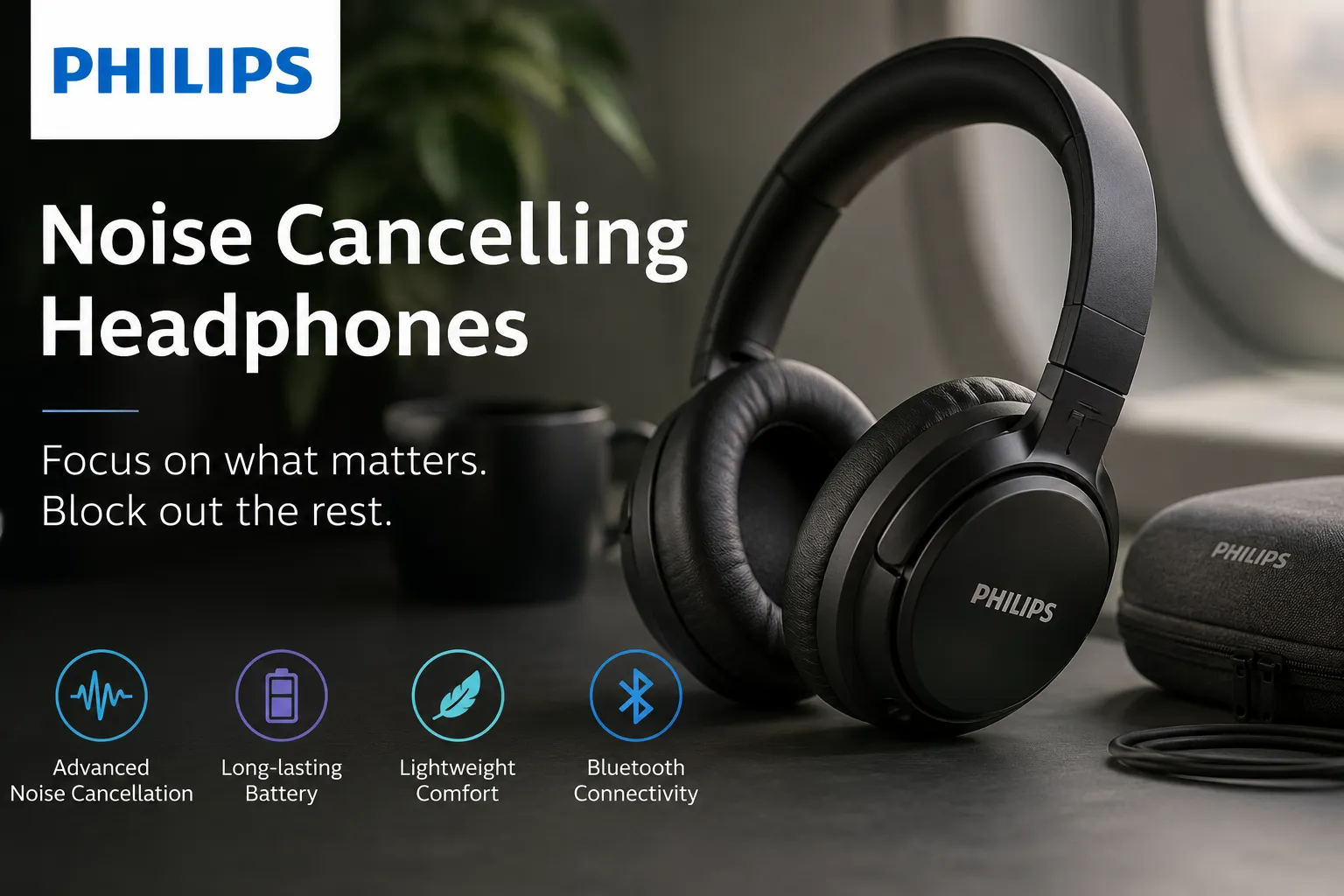

You're standing in an electronics store, credit card in hand, staring at two nearly identical headphones. One has a cable. The other doesn't. Both promise to silence the world around you. Which one deserves your money?
This isn't just about cutting a cord. It's about how you live, work, and tune out the chaos. The decision you make today will shape every commute, every work session, every moment of peace you steal from the noise. Let's break down what really matters.
The Freedom Factor
Wireless technology revolutionized personal audio in ways we couldn't have imagined a decade ago. Remember untangling those knots before every workout, cursing under your breath as precious minutes evaporated? That moment when your cable snagged on a doorknob and ripped the earbuds from your ears mid-song? Bluetooth freed us from the 3.5mm leash, giving us genuine mobility that changed how we consume audio content.
But freedom has a price—literally and figuratively speaking, as any wireless device owner knows. Battery life becomes your new overlord, demanding attention and planning you never needed before. You'll develop a Pavlovian response to that dreaded "battery low" chime during critical moments. Wired headphones, though, simply work the moment you plug them in, today and ten years from now, without a single charge required.
Sound Quality: The Audiophile's Dilemma
Here's where things get genuinely spicy among audio enthusiasts who take their listening seriously. Audiophiles will passionately argue that wired headphones deliver objectively superior audio quality across all frequencies. Analog connections transmit uncompressed audio directly from source to driver without any compromise whatsoever. No Bluetooth codec compression, no wireless interference, just pure sound waves hitting your eardrums exactly as the artist intended.
Except... Can you actually hear the difference in real-world conditions outside a sound lab? Modern Bluetooth codecs like aptX HD and LDAC have narrowed the gap so dramatically that blindfolded tests often surprise people. Unless you're mixing tracks professionally or have golden ears trained through years of critical listening, you probably won't notice the subtle distinctions. For casual listening—podcasts during commutes, Spotify playlists at the gym, Netflix binges—wireless delivers perfectly satisfying audio that makes your favorite songs hit just as hard.
The Noise Cancellation Technology
Active noise cancellation works identically whether your noise-cancelling headphones are wired or wireless at the core level. Both use microphones to detect ambient sound and generate inverse sound waves that cancel unwanted noise. The technology itself doesn't care about your connection type or how data travels to the drivers. What matters is the quality of the ANC chipset, the algorithm sophistication, and the seal around your ears.
However, wireless models often pack more advanced ANC features because they're newer and benefit from recent innovations. Adaptive noise cancellation that adjusts to your environment in real-time? Usually wireless models lead this charge. Transparency modes that let you hear announcements without removing your headphones entirely? More common in wireless offerings that leverage smart processing. The latest innovations typically arrive in wireless form first because that's where manufacturers focus their substantial research budgets now.
Price and Value Proposition
Wired noise cancelling headphones generally cost less upfront than their wireless counterparts when comparing similar quality tiers. You're not paying for Bluetooth chips, batteries, charging circuits, or complex wireless engineering. But calculate the long-term investment carefully before making assumptions based solely on sticker price. Wireless headphones eventually need battery replacements, which can be prohibitively expensive or outright impossible depending on the model's design. Many wireless headphones become electronic waste once the battery degrades beyond usability after two to four years. Wired models, conversely, last indefinitely unless you physically damage them through rough handling, making them potentially cheaper over a decade of regular use.
Convenience in Daily Life
Picture your typical day and consider which connection type actually fits your movement patterns and routines. Morning workout with jumping jacks and burpees? Wireless wins decisively—no cable bouncing against your chest or getting tangled in equipment. Sitting at your desk for eight-hour work sessions analyzing spreadsheets and attending virtual meetings? Wired eliminates any worry about battery life dying mid-presentation or important client call.
Travel scenarios reveal interesting trade-offs that many people overlook when making their purchasing decision. Long international flights favor wired headphones because they work flawlessly even when devices must remain in airplane mode. But navigating crowded airports with luggage, shopping bags, and a coffee in hand? Wireless lets you move freely without cables catching on armrests, seatbacks, or passing strangers' backpacks. Some savvy people solve this dilemma by owning both types for different situations, much like having both wireless speakers for parties and wired studio monitors for critical listening.
Durability and Longevity
Cables are simultaneously the greatest strength and most obvious weakness of wired headphones in daily use. They're vulnerable to fraying near connection points, breaking from repeated stress, and mysterious internal wire damage that kills one channel. You've probably experienced that intensely frustrating moment when sound only comes through if you hold the cable at exactly the right angle.
Wireless headphones eliminate cable problems entirely but introduce completely new failure points that wired users never consider. Batteries degrade inevitably through charge cycles, Bluetooth modules can malfunction without warning, and firmware updates sometimes brick devices overnight. The overall lifespan of wireless headphones is typically shorter despite lacking that vulnerable cable connection. You're essentially betting on planned obsolescence versus repairable simplicity when choosing between them—a choice that matters more the longer you plan to keep your purchase.
Integration with Your Audio Ecosystem
Consider how your headphones will coexist with your other audio equipment and smart home setup. If you've invested in building the best home audio system with high-quality components, you might appreciate wired headphones that match that philosophy. Wired connections often integrate more seamlessly with dedicated amplifiers, DACs, and high-resolution audio sources. You're probably not mixing and matching technologies if you've committed to audiophile-grade home equipment.
Conversely, if your life revolves around smartphones, tablets, and wireless everything, adding wired headphones creates friction. Modern phones increasingly lack headphone jacks, forcing you to carry dongles that inevitably get lost. The wireless ecosystem—from your smartwatch to your laptop—expects Bluetooth connectivity as the default standard now. Fighting against that tide means constant adapter juggling, which defeats the purpose of premium headphones if you're too annoyed to actually use them regularly.
The Verdict: Context is King
So which type reigns supreme in the great personal audio debate? The frustrating yet honest answer is: it depends entirely on you and your specific circumstances. Your priorities, daily habits, and tolerance for specific inconveniences should guide this decision more than any review or recommendation. There's no universal winner in this matchup, just personal preferences that shift based on lifestyle factors unique to each listener.
For most people living in 2026, wireless makes sense as the primary choice for portable listening. The convenience factor dramatically outweighs minor audio quality differences and battery management concerns for typical users. But keeping a reliable wired pair as backup? That's the move savvy listeners make to ensure they're never caught without their peaceful escape from the world's relentless noise, regardless of battery status or Bluetooth connection issues.




























Sign in to leave a comment.