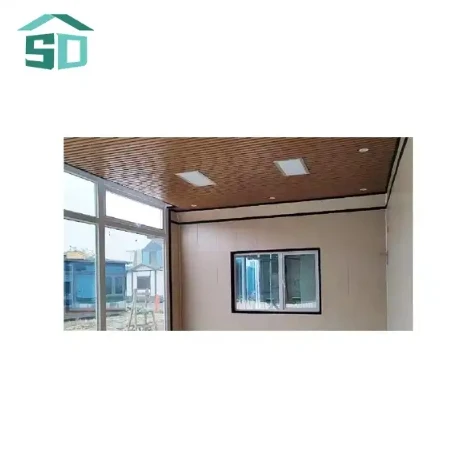

When designing your home's interior, one of the biggest decisions you’ll face is whether to opt for wood paneling or drywall. Both have their advantages, and each brings a unique aesthetic and functionality to a room. The decision can be daunting because the right choice for your home depends on a variety of factors, including style preferences, budget, maintenance requirements, and durability. In this blog, we will delve into the pros and cons of wood paneling and drywall, exploring aspects such as their aesthetic appeal, installation process, cost, and maintenance needs. By the end of this article, Sandong building material company will have a clearer understanding of which material is the best fit for your home’s interior.
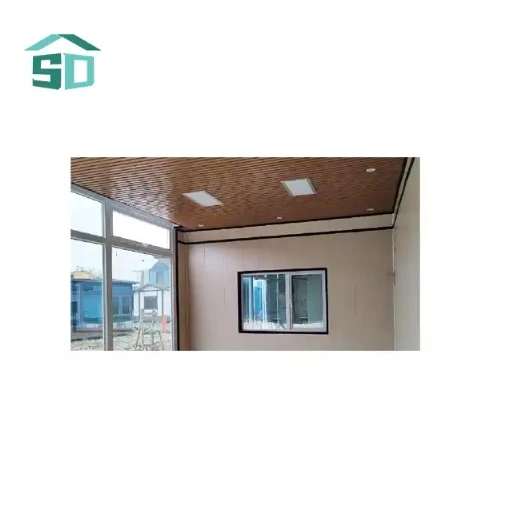
1. What Are the Key Differences Between Wood Paneling and Drywall?
The first step in deciding between wood paneling and drywall is understanding the fundamental differences between the two materials. While both serve as wall coverings, their appearance, installation methods, and performance in various environments can vary significantly.
Wood Paneling
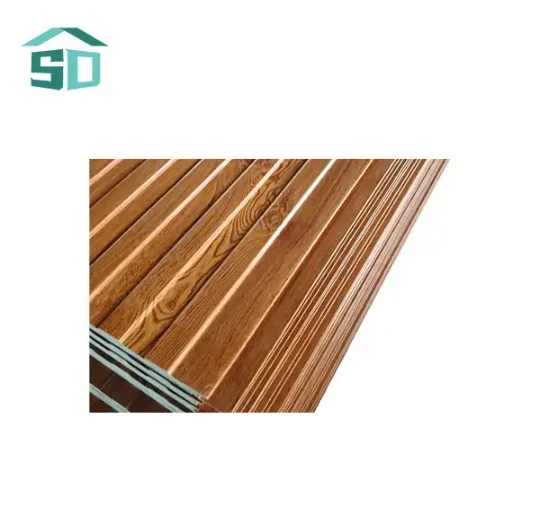
Wood paneling is made from thin, uniform pieces of wood that are attached to the walls. These panels can be solid wood or a composite material, like plywood or MDF, which is then finished with a wood veneer. Paneling offers a warm, rich texture that enhances the room’s atmosphere. It's available in a variety of styles, such as traditional tongue-and-groove, shiplap, or even modern slatted designs, allowing homeowners to choose based on their aesthetic preferences.
Wood paneling has a distinctive appeal that creates a cozy, inviting space. It’s often used in rustic or traditional homes, but modern iterations have made it versatile for various interior styles, including mid-century modern and contemporary designs.
Drywall
Drywall, also known as plasterboard or gypsum board, is a widely-used wall covering made from a layer of gypsum plaster between two sheets of heavy paper. It is known for its smooth, flat finish and is typically painted to create a seamless look. Drywall is an affordable and widely available option for walls and ceilings in most homes and can be customized with various textures, paints, and finishes.
Drywall installation is relatively quick and straightforward. It is often considered more affordable than wood paneling and is ideal for spaces that require minimal maintenance.
2. How Does the Aesthetic Appeal of Wood Paneling Compare to Drywall?
Aesthetics are one of the most important factors when deciding between wood paneling and drywall for your home’s interior. Both options offer unique visual styles, and the right choice largely depends on the atmosphere you wish to create in the room.
Wood Paneling’s Timeless Appeal
Wood paneling creates a natural, organic atmosphere that is warm and inviting. Its unique texture, grain patterns, and finishes can add a layer of sophistication to any space. Whether you’re using it in a living room, hallway, or even a bedroom, wood paneling can create a focal point and contribute to a rustic or vintage charm. The warmth of the wood adds character and depth, making the space feel cozier.
For those interested in creating a vintage or farmhouse-inspired design, wood paneling is an excellent choice. It evokes a sense of tradition, and depending on the wood type and finish, can also lend an air of luxury. The rich tones of mahogany, walnut, or oak create a timeless elegance that simply cannot be replicated by drywall.
Drywall’s Sleek, Modern Look
On the other hand, drywall offers a clean and smooth surface that suits contemporary and minimalist designs. It serves as a neutral backdrop that can be easily painted or textured to match any interior style. Unlike wood paneling, which can introduce significant texture into a room, drywall creates a crisp, uniform surface that can be dressed up or down with ease.
The sleek finish of drywall makes it ideal for modern homes that feature a minimalist or industrial aesthetic. Its smooth, flat surface complements modern furniture and décor, and its versatility allows you to incorporate any color palette you desire. Drywall’s ability to blend seamlessly with other materials in the room, such as glass or metal, is one of its standout features.
3. What Are the Cost and Installation Differences Between Wood Paneling and Drywall?
When choosing between wood paneling and drywall, it’s crucial to consider both the initial cost and the installation process. The price of materials and the time it takes to install each can vary greatly, depending on the quality of the product, the complexity of the installation, and the overall scope of the project.
Wood Paneling Cost and Installation
Wood paneling tends to be more expensive than drywall, primarily due to the materials used and the labor required for installation. High-quality hardwood panels, such as cherry, oak, or walnut, can be particularly costly. Additionally, wood paneling requires precise installation, often involving nailing or gluing each panel to the wall. For some styles, such as tongue-and-groove or shiplap, the panels need to interlock perfectly, which can make the installation process more time-consuming.
Wood paneling installation can also involve more preparation, such as surface cleaning and ensuring the wall is perfectly level. If you opt for a professional installation, the labor costs will add to the overall expense of the project.
Drywall Cost and Installation
Drywall is a much more affordable option than wood paneling. The materials themselves are inexpensive, and since drywall is widely available, it is cost-effective even for larger projects. Drywall installation is generally faster and more straightforward. Professionals can hang drywall sheets on the wall quickly, and the joints between sheets can be taped and covered with compound to create a seamless finish. For those who choose DIY installation, drywall can be relatively easy to handle, as it is lighter than wood and does not require the same level of precision.
However, drywall installation still requires some expertise to ensure that the seams and corners are smooth and professional-looking. The joint compound used to fill gaps and smooth out seams can take several days to dry, and it may require multiple layers for the best results. Once dry, drywall typically needs to be painted, which can add to the overall cost and time.
4. Which Material is More Durable and Low Maintenance: Wood Paneling or Drywall?
Durability and maintenance requirements are crucial factors to consider when choosing the right wall material for your home. Both wood paneling and drywall can be durable, but they each require different care and attention to maintain their appearance over time.
Durability and Maintenance of Wood Paneling
Wood paneling is relatively durable, but it does require regular maintenance to keep it looking its best. Over time, wood can fade due to exposure to sunlight, and it can be prone to scratches, dents, and moisture damage if not properly sealed. To protect the wood, regular cleaning and occasional re-sealing may be necessary, especially in high-traffic areas. Wood paneling should be wiped down with a soft cloth to remove dust, and spills should be cleaned promptly to avoid staining or warping.
In high-moisture areas, such as bathrooms or kitchens, wood paneling may need to be treated with a water-resistant coating to prevent swelling and mold growth. If a panel becomes damaged, repairs can be done by sanding or refinishing the surface.
Durability and Maintenance of Drywall
Drywall is generally low-maintenance, but it is not as durable as wood. Drywall is susceptible to dents, cracks, and moisture damage, which can result in the need for repairs over time. While it is easy to patch small holes or cracks, larger damages may require replacing sections of the drywall.
One of the biggest advantages of drywall is that it is less prone to issues like fading or warping. However, drywall does not fare well in wet environments. In areas where humidity is high, it is important to ensure that the drywall is properly sealed or treated to prevent mold growth. Additionally, drywall may need to be repainted every few years to maintain its fresh appearance.
5. Which Is Better for Your Home’s Interior: Wood Paneling or Drywall?
Ultimately, the decision between wood paneling and drywall comes down to personal preference and your specific needs for the space. If you’re looking for a warm, timeless aesthetic that adds character to the room, wood paneling may be the best option for you. Its natural texture, richness, and variety of styles can transform any room into a cozy, inviting space.
On the other hand, if you prefer a sleek, minimalist design with a smooth finish, drywall might be more suited to your style. It is an affordable, low-maintenance option that provides a neutral backdrop for your interior décor.
When making your decision, consider factors like your budget, the room’s function, and how much time and effort you’re willing to invest in maintenance. In many cases, a combination of both materials can create a unique, personalized design for your home.
References:
- The Spruce, "Wood Paneling vs. Drywall," 2023.
- HomeAdvisor, "Wood Paneling vs. Drywall: Which is Best for Your Home?" 2023.
- This Old House, "Wood Paneling for Home Interiors," 2023.
- Architectural Digest, "Drywall and Wood Paneling: The Pros and Cons," 2023.
- Bob Vila, "Choosing Between Wood Paneling and Drywall," 2023.
- The Home Depot, "Drywall vs. Wood Paneling: What’s Right for You?" 2023.
- HGTV, "Wood Paneling vs. Drywall," 2023.
- Better Homes & Gardens, "Wood Paneling and Drywall Installation," 2023.
- Dwell, "Aesthetic and Maintenance of Wood Paneling," 2023.
- Houzz, "Durability of Drywall vs. Wood Paneling," 2023.
For premium quality materials and expert advice on your next home project, Sandong Building Materials offers top-tier products, including steel coils, aluminum foil, and polyurethane, ensuring high performance and lasting durability. Contact us at [email protected].









Sign in to leave a comment.