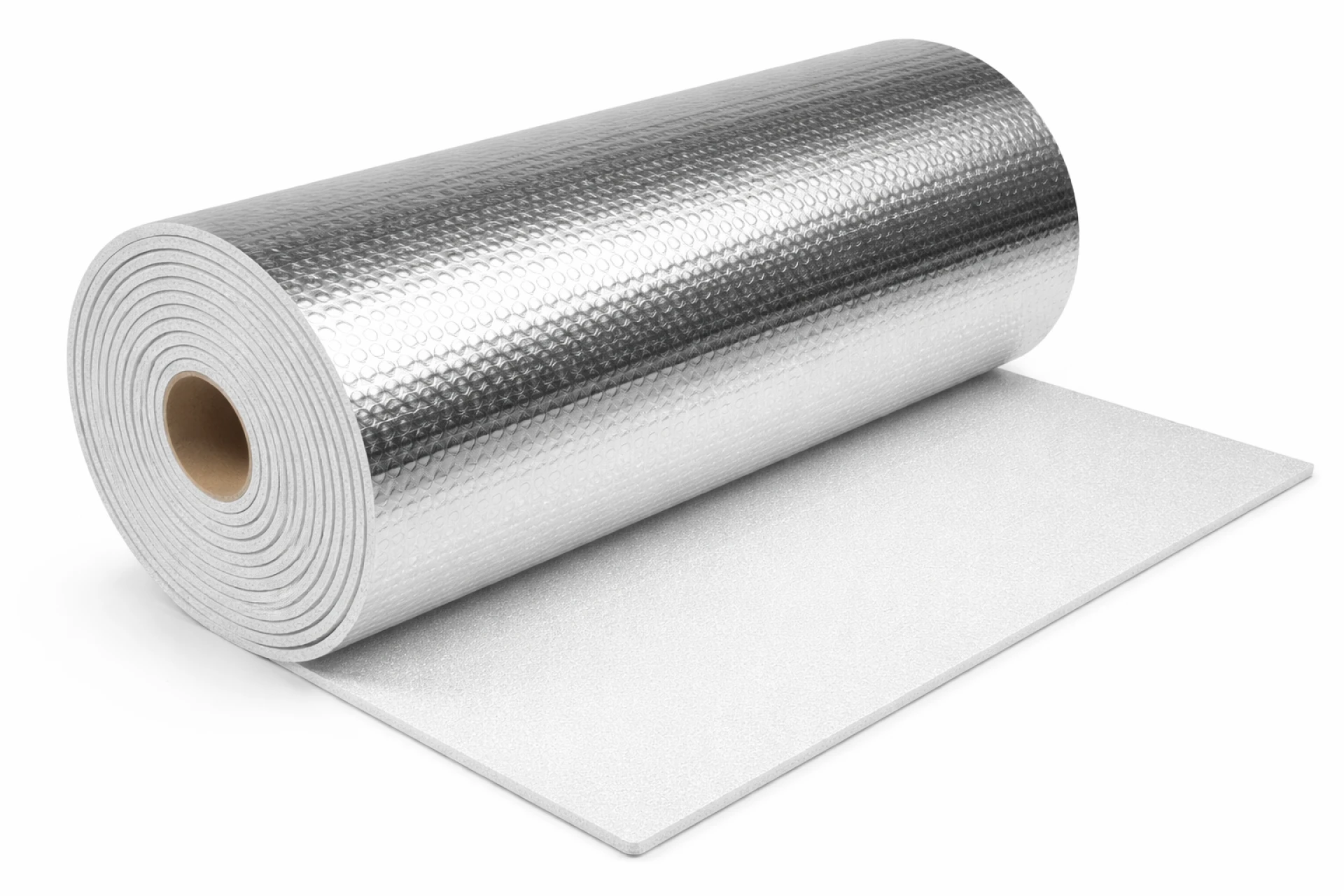
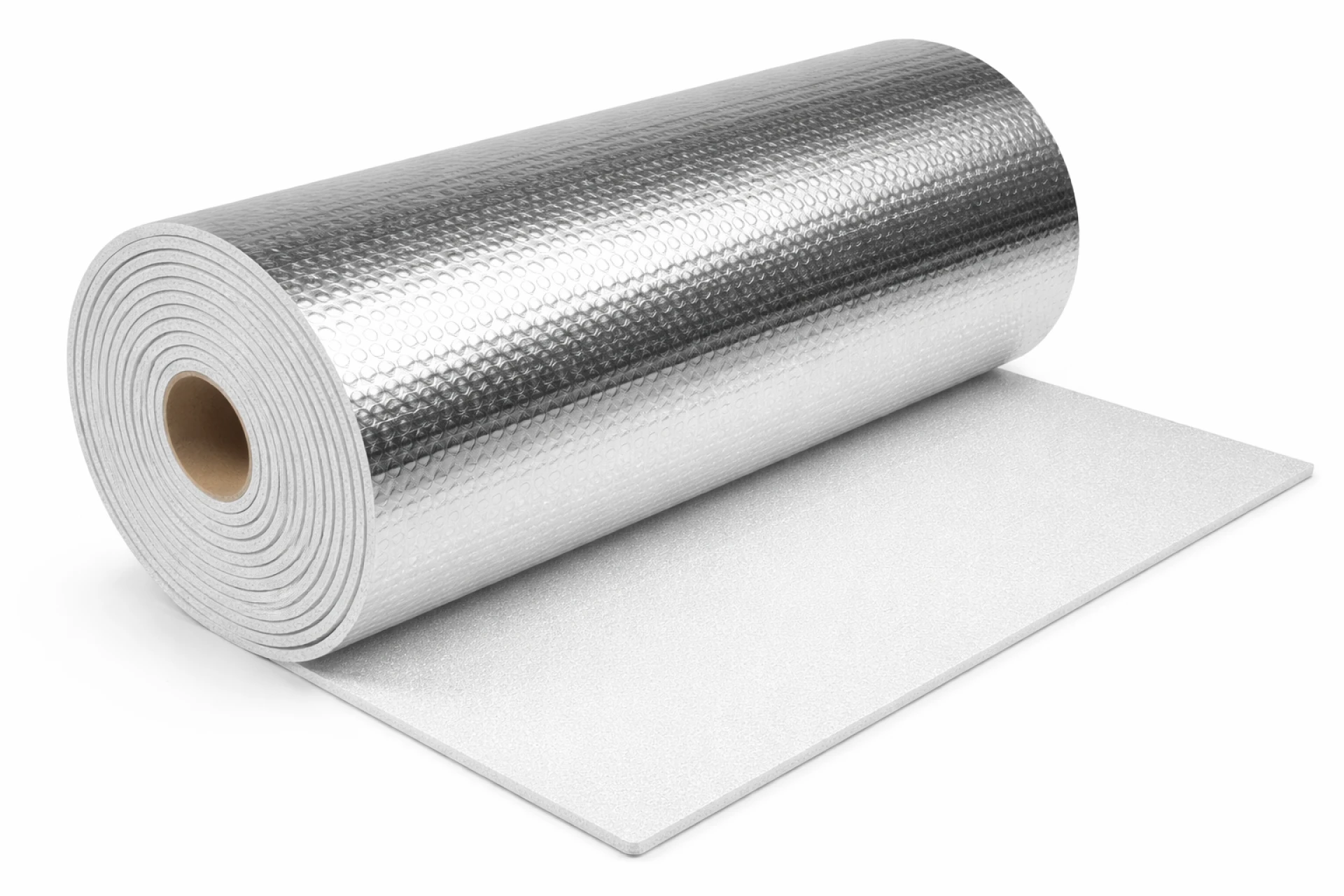
In industrial, commercial, and residential construction, thermal management and electrical insulation are crucial. With rising energy costs and the need for long-lasting insulation solutions, XLPE (Cross-Linked Polyethylene) insulation sheets have become a preferred choice for industries across India.
Unlike traditional insulation materials, XLPE sheets offer durability, moisture resistance, and high thermal efficiency, making them suitable for both building insulation and industrial applications.
This blog will explore the advantages, applications, and buyer considerations for XLPE insulation sheets.
What Is an XLPE Insulation Sheet?
XLPE insulation sheet is made from cross-linked polyethylene, a polymer processed to improve its mechanical, thermal, and chemical properties. Cross-linking enhances the polymer’s strength, temperature tolerance, and resistance to moisture and chemicals.
Key characteristics:
- High thermal stability
- Excellent electrical insulation properties
- Moisture and chemical resistance
- Long-term dimensional stability
- Lightweight yet strong
These properties make XLPE sheets suitable for roof insulation, wall insulation, electrical cabling, and industrial machinery protection.
Advantages of XLPE Insulation Sheets
1. Superior Thermal Insulation
XLPE sheets reduce heat transfer in roofs, walls, and equipment, helping industries save energy and maintain controlled indoor temperatures.
2. Moisture and Chemical Resistance
XLPE does not absorb water and resists chemicals, making it ideal for humid regions, chemical plants, and cold storage facilities.
3. Electrical Insulation
Its excellent dielectric properties allow XLPE sheets to be used for electrical insulation applications, including cable and transformer insulation.
4. Durability and Longevity
XLPE maintains its performance over years without shrinking, cracking, or degrading, making it a long-term investment for industries.
5. Lightweight and Easy to Install
Despite its strength, XLPE sheets are lightweight, which reduces labor costs and simplifies installation.
6. Environmentally Friendly
XLPE sheets are recyclable and do not release toxic gases, contributing to safer industrial and construction environments.
Industrial Applications of XLPE Insulation Sheets
1. Roof Insulation
- Prevents heat gain in factories and warehouses
- Maintains comfortable working conditions
- Extends lifespan of metal roofing by reducing thermal stress
2. Wall Insulation
- Provides temperature control in cold storage units, industrial buildings, and commercial facilities
- Can be installed behind panels or within cladding systems
3. Electrical Insulation
- Used for insulating cables, transformers, and electrical panels
- High dielectric strength ensures safety and performance
4. Machinery and Equipment Protection
- Reduces thermal stress on sensitive machinery
- Provides cushioning and prevents moisture damage
5. Cold Storage and Refrigeration
- Maintains stable internal temperatures
- Reduces energy consumption for cooling systems
6. Chemical and Pharmaceutical Industries
- Resistant to corrosive chemicals and moisture
- Ensures safety and longevity in challenging industrial environments
XLPE vs Other Insulation Materials
| Feature | XLPE Insulation | Bubble Insulation | Traditional Foam Sheet |
|---|---|---|---|
| Thermal Resistance | High | Medium | Medium |
| Moisture Resistance | Excellent | Good | Moderate |
| Electrical Insulation | Excellent | Low | Low |
| Durability | Long-term | Moderate | Low |
| Installation | Lightweight & Easy | Lightweight & Easy | Moderate |
| Cost | Medium | Low | Low |
Insight: XLPE sheets are a premium choice for durability and high-performance applications, especially where long-term stability is essential.
How to Choose the Right XLPE Sheet for Your Industry
Step 1: Determine Application
- Roof insulation → Choose moderate thickness with thermal efficiency
- Electrical insulation → Choose dielectric-rated sheets
- Cold storage → Select moisture-resistant sheets
Step 2: Evaluate Thickness and Density
- Thicker sheets → Better thermal insulation and mechanical protection
- Higher density → Increased strength and durability
Step 3: Assess Environmental Conditions
- Humid or chemical-prone environments → Moisture and chemical-resistant XLPE
- High-temperature zones → Heat-tolerant cross-linked polymer
Step 4: Verify Supplier Reliability
- Consistent quality, certification, and bulk supply capability are critical
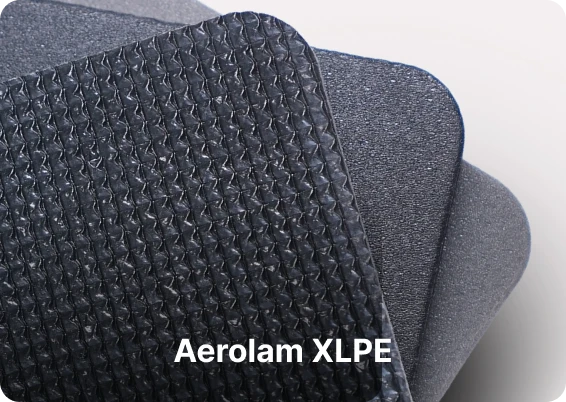
- Example: Aerolam XLPE sheets provide consistent quality and technical support
Step 5: Budget vs Long-Term Value
- XLPE may have higher upfront costs than bubble insulation
- Long-term savings come from durability, reduced replacement, and energy efficiency
Installation Tips for XLPE Sheets
- Surface Preparation – Ensure surfaces are clean and dry
- Proper Alignment – Prevent gaps that reduce insulation efficiency
- Joint Sealing – Use appropriate adhesives or tapes to maintain continuous insulation
- Layering – For extreme conditions, multiple layers can enhance performance
- Regular Inspection – Minimal maintenance ensures long-term performance
Why Aerolam XLPE Insulation Sheets Are Trusted
Aerolam manufactures high-quality XLPE insulation sheets that meet the demands of Indian industrial and commercial sectors. Key benefits include:
- Consistent thickness and thermal performance
- High moisture and chemical resistance
- Long-lasting durability
- Technical guidance and support for industrial applications
- Bulk supply for large-scale projects
Choosing Aerolam ensures optimal insulation efficiency, cost-effectiveness, and long-term reliability.
FAQs
Q1. Are XLPE sheets suitable for humid climates?
Yes, XLPE is moisture-resistant and ideal for humid regions.
Q2. Can XLPE sheets be used for electrical insulation?
Yes, they have excellent dielectric properties and are widely used for cables and transformers.
Q3. How long do XLPE sheets last?
With proper installation, XLPE sheets can last 10–15 years in industrial conditions.
Conclusion
XLPE insulation sheets offer superior thermal performance, moisture resistance, and long-term durability, making them a preferred choice for industries across India. From roof insulation to electrical applications, XLPE provides cost-effective, reliable, and environmentally friendly solutions.
For industrial buyers, Aerolam XLPE insulation sheets offer:
- Premium quality and consistent performance
- Customized thickness, density, and size
- Long-term energy and cost savings
Investing in XLPE insulation ensures optimal industrial operations, safety, and sustainability.
Sign in to leave a comment.