

A Primary Care Physician plays an essential role in maintaining overall health and wellbeing. They are often the first medical professional a patient consults for routine checkups, sudden illnesses, and long term health concerns. Having a trusted primary care physician ensures that your healthcare is organized, personalized, and focused on prevention as well as treatment.
Primary care is not limited to addressing symptoms when you feel unwell. It is about building a long term relationship with a healthcare provider who understands your medical history, lifestyle, and personal health goals. This approach allows for better diagnosis, timely treatment, and guidance that supports a healthier life.
What Does a Primary Care Physician Do
A primary care physician is trained to diagnose and manage a wide range of medical conditions. They provide routine physical exams, manage chronic diseases, treat minor injuries, and offer preventive care services. Their responsibility is to look at the whole person rather than focusing on one specific organ or condition.
They also coordinate care when specialized treatment is needed. If a patient requires a cardiologist, endocrinologist, or another specialist, the primary care physician helps with referrals and ensures that all medical information is shared properly. This coordination prevents gaps in care and reduces the risk of miscommunication.
Primary care physicians are also responsible for monitoring long term health issues such as diabetes, high blood pressure, asthma, and thyroid disorders. Regular visits help detect early changes and prevent complications before they become serious.
The Importance of Preventive Care
One of the most valuable roles of a primary care physician is preventive care. This includes regular health screenings, immunizations, and lifestyle counseling. Preventive services help identify health risks early, allowing patients to take action before illness develops.
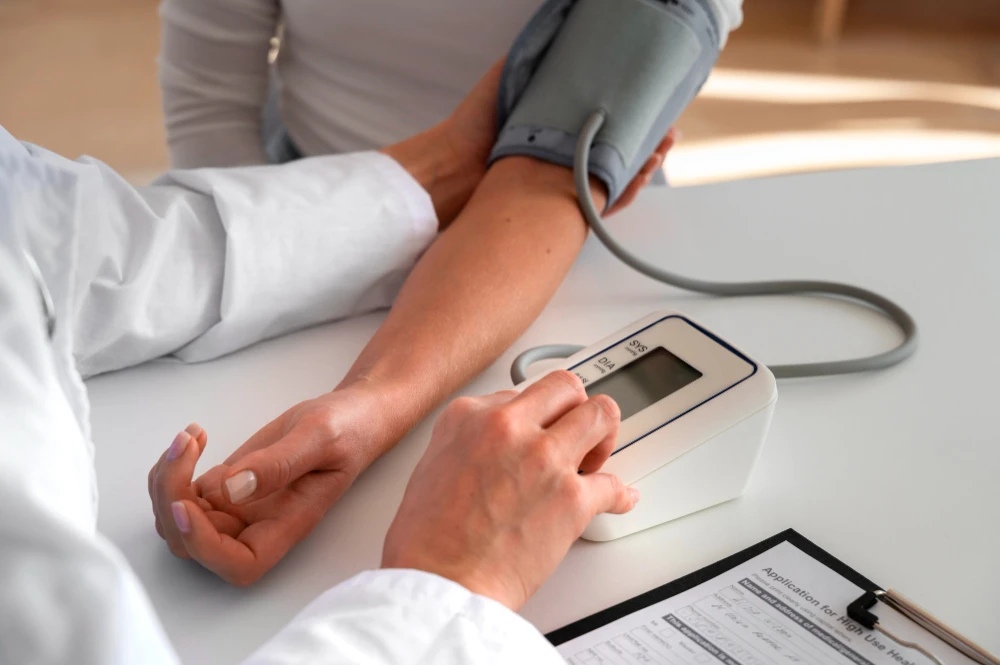
Screenings such as blood pressure checks, cholesterol testing, and cancer detection are key parts of routine care. A primary care physician recommends these tests based on age, family history, and individual risk factors. This personalized approach makes preventive care more effective.
In addition to tests and vaccines, primary care physicians provide education about nutrition, exercise, stress management, and sleep habits. These daily lifestyle factors have a major impact on overall health and can reduce the likelihood of developing chronic conditions.
Personalized and Continuous Care
A major advantage of having a primary care physician is continuity of care. Seeing the same provider over time allows them to understand patterns in your health and notice changes more easily. This ongoing relationship builds trust and leads to more accurate diagnosis and treatment.
Patients are more comfortable discussing symptoms, concerns, and personal challenges with a provider they know well. This open communication helps the physician create treatment plans that match each patient’s lifestyle and preferences.
Personalized care also means adjusting treatment as life circumstances change. Whether it is managing weight, controlling blood sugar, or handling stress, a primary care physician adapts care plans to support long term wellness.
Support for All Ages
Primary care physicians serve patients of all ages, from young adults to seniors. They help manage childhood illnesses, adult health maintenance, and age related conditions. This wide scope makes them a central figure in family healthcare.
For working adults, primary care physicians provide convenient care for common illnesses such as colds, infections, and minor injuries. They also assist with work related physicals and health documentation when needed.
For older adults, primary care focuses on managing multiple health conditions, medication reviews, and fall prevention. These services improve quality of life and promote independence.
Managing Chronic Conditions
Chronic diseases require regular monitoring and consistent treatment. A primary care physician helps patients stay on track by scheduling routine visits and adjusting medications when necessary. This prevents complications and reduces hospital visits.
Conditions such as heart disease, diabetes, arthritis, and respiratory disorders benefit greatly from primary care management. Patients receive guidance on lifestyle changes, symptom control, and medication adherence.
Education is an important part of chronic disease care. Primary care physicians help patients understand their condition and make informed choices about treatment and daily habits.
Mental and Emotional Wellbeing
Primary care physicians also address mental and emotional health. They recognize signs of anxiety, depression, and stress related conditions and provide appropriate care or referrals. Mental wellbeing is closely connected to physical health, making this aspect of care equally important.
By offering a safe space to discuss emotional concerns, primary care physicians support overall balance and resilience. This comprehensive approach ensures that patients receive care for both mind and body.
Building a Healthier Future
Choosing a primary care physician is an investment in long term health. With regular visits, patients receive guidance that supports prevention, early detection, and effective treatment. This leads to better health outcomes and reduced medical costs over time.
A strong partnership with a primary care physician creates confidence in healthcare decisions and encourages proactive habits. Instead of reacting to illness, patients learn to take control of their wellbeing through informed choices and consistent care.
Primary care is not just about treating disease. It is about building a foundation for lifelong health. With a dedicated Align primary care physician, individuals and families can enjoy better health, improved quality of life, and peace of mind knowing they have reliable medical support.





























Sign in to leave a comment.