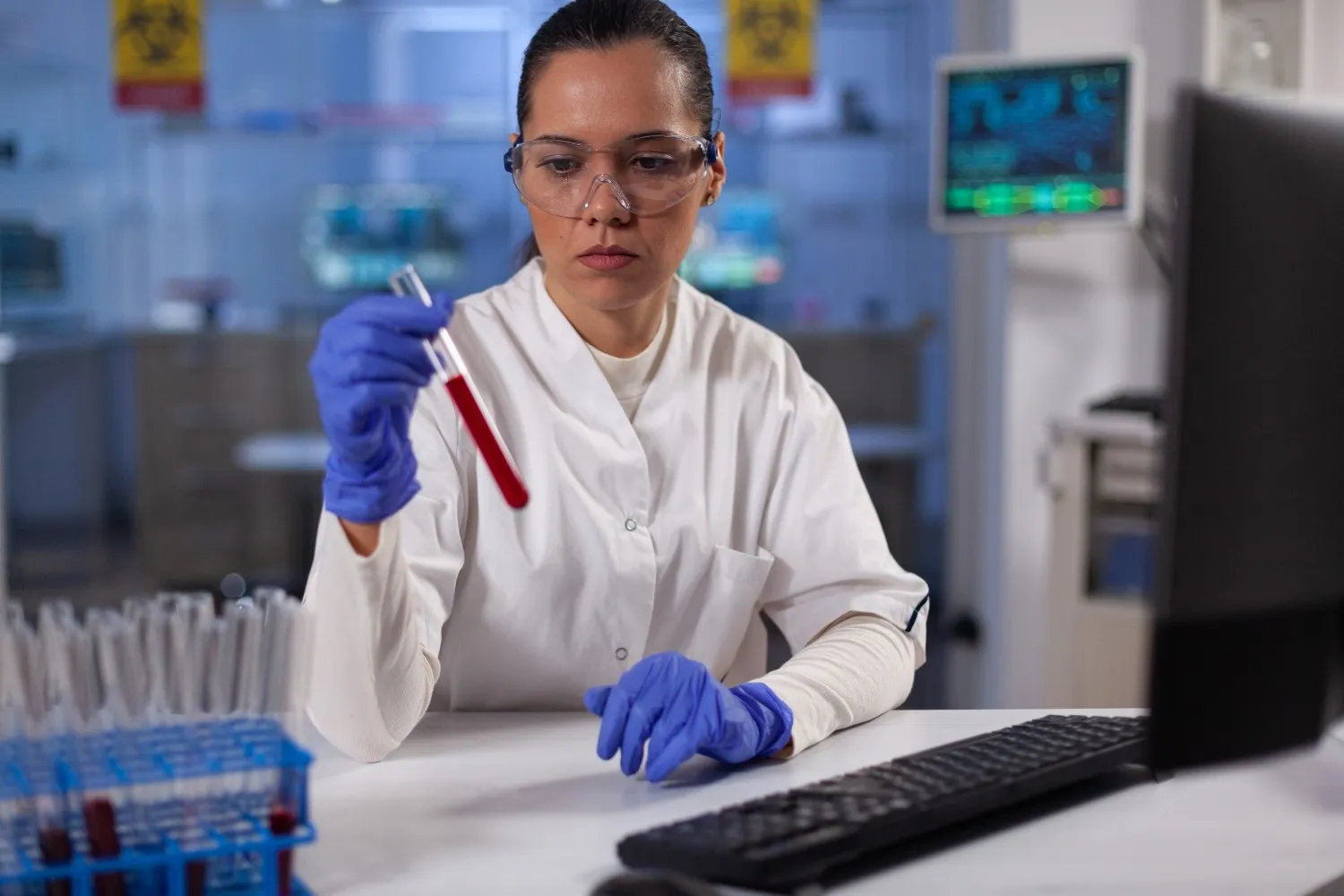

Getting your testosterone levels checked is one of the smartest moves you can make for your long-term health. Whether you've been experiencing fatigue, low energy, mood changes, or reduced muscle mass, a TRT blood test is the starting point for understanding what's really going on inside your body. Searching for a trt blood test near me is a great first step, but knowing how to properly prepare for that blood draw can make a real difference in the accuracy of your results.
Testosterone replacement therapy testing isn't something you should walk into blindly. A few simple preparation steps can help ensure your hormone level blood work reflects your true baseline, giving you and your healthcare provider the clearest picture possible. Here's everything you need to know before your first appointment.
Why a TRT Blood Test Matters
A testosterone blood test near me search might seem straightforward, but the results from this test carry significant weight. Your total and free testosterone levels serve as the foundation for any treatment decisions related to hormone replacement therapy.
Without accurate baseline numbers, a provider can't determine whether you actually have low testosterone or whether your symptoms stem from something else entirely. Conditions like thyroid disorders, sleep apnea, and vitamin deficiencies can mimic the signs of low T, so getting a proper testosterone screening is essential before jumping to conclusions.
Beyond testosterone itself, most TRT evaluation panels also measure estradiol, SHBG (sex hormone-binding globulin), LH, FSH, a complete blood count, and a metabolic panel. These additional markers help paint a complete picture of your hormonal health and rule out underlying issues.
How to Prepare for Your Testosterone Blood Test
Preparation matters more than most people realize. Testosterone levels fluctuate throughout the day and are influenced by a range of factors. Following these guidelines will help ensure your results are as accurate as possible.
Schedule Your Blood Draw in the Morning
Testosterone levels peak between 7 a.m. and 10 a.m. for most men. By afternoon, levels can drop by 20 to 30 percent. Most TRT clinics and endocrinology labs will recommend a morning appointment for exactly this reason.
If your local hormone level testing facility doesn't mention this, request an early slot yourself. A late-afternoon draw could produce misleadingly low numbers.
Fast for 8 to 12 Hours Before the Test
Fasting is standard practice for comprehensive hormone panels. Food intake can affect glucose, insulin, and SHBG levels, all of which interact with testosterone measurements.
Stick to water only after midnight the night before your test. Black coffee is sometimes allowed, but check with your specific lab or provider first.
Get a Normal Night of Sleep
Sleep deprivation tanks testosterone levels. Even one night of poor sleep can reduce your numbers significantly. Aim for 7 to 8 hours the night before your blood draw, and try to stick to your normal sleep routine.
This isn't the time to stay up late binge-watching shows or catching up on work.
Avoid Intense Exercise the Day Before
Heavy weightlifting or intense cardio can temporarily spike testosterone levels, which could skew your results upward. A light walk is fine, but skip the heavy gym session for 24 hours before your appointment.
You want your results to reflect your normal, everyday hormonal state.
What to Avoid Before Your TRT Blood Test Near Me
Several common habits can interfere with accurate testosterone testing. Keep these in mind as your appointment approaches.
- Alcohol consumption within 24 to 48 hours before the test can suppress testosterone levels
- Certain supplements, particularly biotin, can interfere with immunoassay-based hormone tests
- Over-the-counter medications like ibuprofen may affect hormonal readings when used heavily
- Stress, both physical and emotional, can temporarily lower testosterone
If you take prescription medications, don't stop them without consulting your doctor. Simply let your provider know what you're taking so they can interpret results accordingly.
Where to Get Testosterone Tested
Finding reliable low testosterone testing services in your area is easier than it used to be. You have several options depending on your location, budget, and preferences.
TRT medical centers and men's health clinics often specialize in hormone replacement therapy blood work and can provide a complete panel tailored to testosterone evaluation. Many also offer follow-up consultations to walk you through results.
Endocrinology offices handle andrology blood tests and more complex hormonal evaluations. If your primary care provider suspects an underlying endocrine issue, they may refer you to a specialist.
Independent labs and diagnostic testing centers are another solid option. Many accept walk-ins or same-day appointments, making them convenient for people with busy schedules. Whether you're looking for a gender reveal blood test or a testosterone panel, many of these facilities handle a wide range of diagnostic needs under one roof.
Direct-to-consumer lab testing has also grown in popularity, allowing you to order blood work online and visit a local draw site. Just make sure whatever service you use provides results that a licensed provider can review and act on.
Understanding Your TRT Blood Test Results
Once your results come back, the numbers can feel overwhelming. Here's a quick breakdown of what to look for.
Total testosterone is the headline number. The generally accepted normal range for adult men is roughly 300 to 1,000 ng/dL, though this varies slightly between labs. A reading below 300 ng/dL on two separate morning tests is the standard diagnostic threshold for low testosterone.
Free testosterone measures the unbound, biologically active portion. This number is often more clinically meaningful than total testosterone because it reflects what your body can actually use.
SHBG levels matter because high SHBG can bind up testosterone and make your free T levels lower than expected, even when total testosterone looks normal.
A single blood test isn't always enough to make a diagnosis. Most responsible providers will want to see at least two separate tests before recommending testosterone replacement therapy. Hormone levels naturally fluctuate, and confirming a pattern ensures you aren't starting treatment based on a single outlier result.
Preparing for your first testosterone blood test doesn't require anything complicated, but the small details matter. Scheduling a morning draw, fasting overnight, sleeping well, and avoiding intense exercise all contribute to results that accurately reflect your hormonal baseline.
Accurate results lead to better decisions. Whether those results confirm low testosterone or point to a different cause for your symptoms, the information puts you in a stronger position to take control of your health. If you've been putting off that first test, consider making it a priority. The process is simple, and the insights you'll gain are well worth the effort.
Frequently Asked Questions
1. What time of day should I get a testosterone blood test?
Schedule your blood draw between 7 a.m. and 10 a.m. when testosterone levels are naturally at their peak.
2. Do I need to fast before a TRT blood test?
Yes, fasting for 8 to 12 hours before the test is recommended to ensure accurate results for your hormone panel.
3. How many blood tests are needed before starting testosterone replacement therapy?
Most providers require at least two separate morning blood tests showing low testosterone before recommending TRT.


























Sign in to leave a comment.