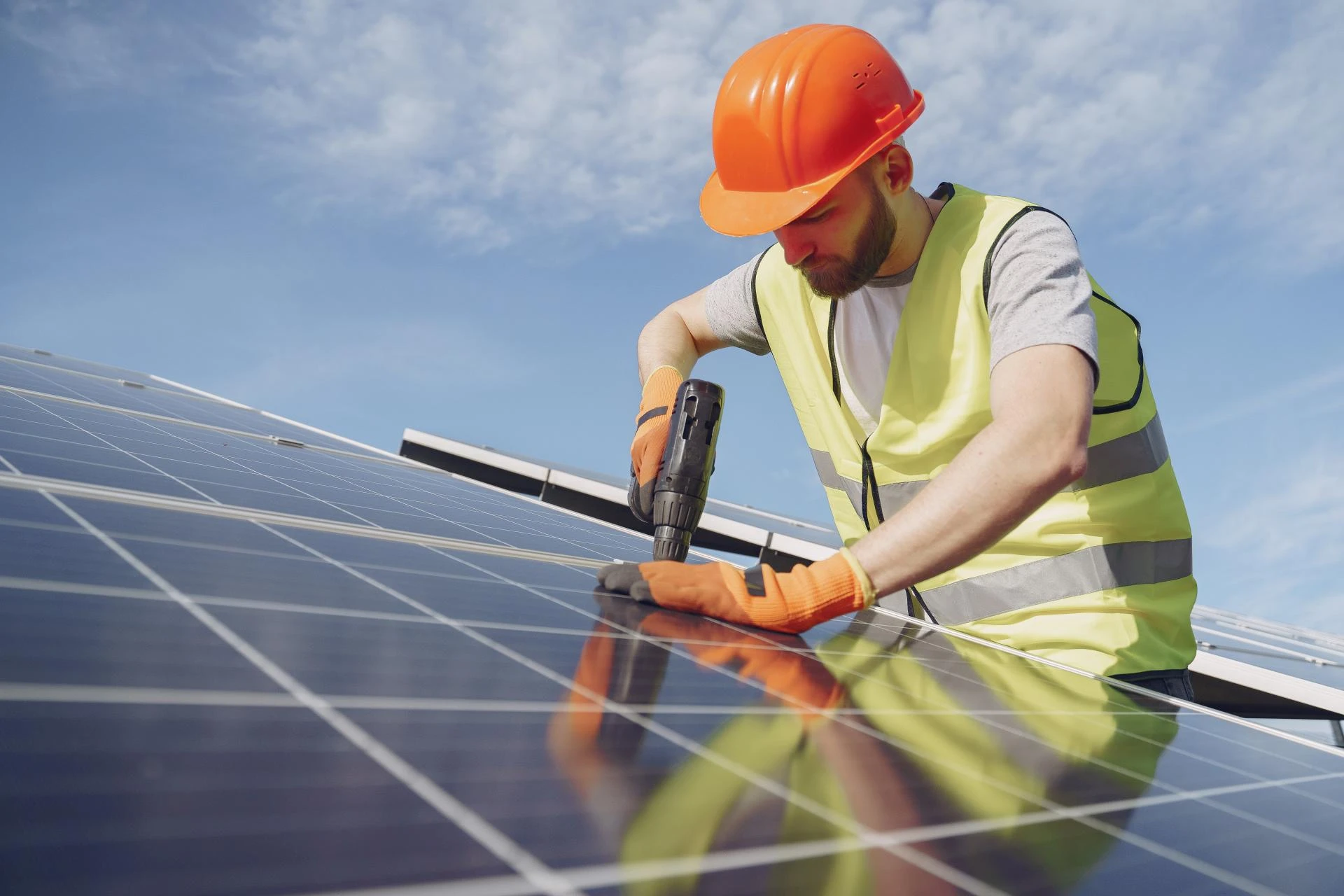

Switching to solar energy is a big decision that can significantly impact your energy bills, carbon footprint, and overall quality of life. Whether you’re looking into residential solar power systems, off-grid solutions, or commercial solar installations, understanding the process and benefits is crucial. This guide breaks down everything you need to know about solar system installation services and how to make the most of them.
Why Go Solar?
Solar energy is one of the most sustainable and cost-effective energy solutions available today. By harnessing the power of the sun, homeowners and businesses can:
- Reduce energy costs: Lower electricity bills with free energy from the sun.
- Increase property value: Solar panels can enhance your home’s market appeal.
- Achieve energy independence: Off-grid solar installation ensures you’re not reliant on the grid.
- Promote sustainability: Contribute to reducing greenhouse gas emissions.
What to Expect from a Solar System Installation Service
A solar system installation service involves several key steps, whether it’s for residential solar panel installation or large-scale commercial systems:
1. Site Assessment and Consultation
The process begins with a professional site evaluation. Solar experts will:
- Assess your roof or ground space’s suitability for solar panels.
- Evaluate sunlight exposure to determine the optimal system size.
- Discuss your energy goals, such as offsetting 100% of your power usage or using solar battery storage systems.
2. System Design and Proposal
After assessing your property, the team designs a customized solar power system tailored to your energy needs. For residential solar power systems, this includes:
- Selecting the right type and number of solar panels.
- Determining whether you’ll benefit from solar battery storage.
- Ensuring compliance with local regulations and permits. For commercial solar systems, the design focuses on scalability and efficiency to meet business requirements.
3. Permits and Approvals
Your installation service provider will handle the paperwork, ensuring:
- Compliance with local building codes.
- Approval from relevant authorities and utility companies.
4. Installation Process
Once permits are secured, the installation begins. A professional team will:
- Install the panels, mounts, and inverter.
- Connect the system to the electrical grid or set it up for off-grid use.
- Integrate solar battery storage systems, if applicable. For commercial solar installations, the process might include additional components like monitoring software for energy tracking.
5. System Testing and Activation
After installation, the system is tested to ensure it’s functioning correctly. Once activated, you’ll start generating clean energy.
6. Monitoring and Maintenance
Modern solar systems often include monitoring tools to track performance. Routine maintenance ensures the system remains efficient for years.
Types of Solar Systems
Residential Solar Power Systems
Designed for homeowners, these systems include:
- Rooftop solar panels for energy production.
- Solar battery storage systems for backup during power outages.
Commercial Solar Systems
Ideal for businesses aiming to reduce operational costs, these systems offer:
- Large-scale energy production to meet higher consumption demands.
- Enhanced monitoring tools for efficient energy management.
Off-Grid Solar Installation
Perfect for remote locations, off-grid systems include:
- Solar panels paired with battery storage to provide continuous power.
- Independence from the utility grid, ideal for cabins or rural properties.
Choosing the Right Solar Installer
When selecting a solar installer, consider the following:
- Experience: Look for providers with expertise in residential and commercial installations.
- Reputation: Check reviews and testimonials to gauge customer satisfaction.
- Certifications: Ensure they are certified by relevant industry authorities.
- Comprehensive Services: Opt for companies that offer end-to-end solutions, from consultation to maintenance.
The Role of Solar Battery Storage Systems
A solar battery storage system enhances the effectiveness of your solar power setup by:
- Storing excess energy for nighttime use.
- Providing backup power during outages.
- Allowing you to go off-grid if desired.
Why Choose Professional Installation?
While DIY solar installations might seem cost-effective, professional services ensure:
- Proper system design and optimization.
- Compliance with safety standards and regulations.
- Long-term performance and reliability.
Conclusion
Investing in solar power is a step toward a sustainable and energy-independent future. Whether you’re installing residential solar panels or a commercial solar system, understanding the process and partnering with a reliable installer like solar brokering services is key to maximizing your benefits. Embrace the power of the sun and transform your energy consumption today.










Sign in to leave a comment.