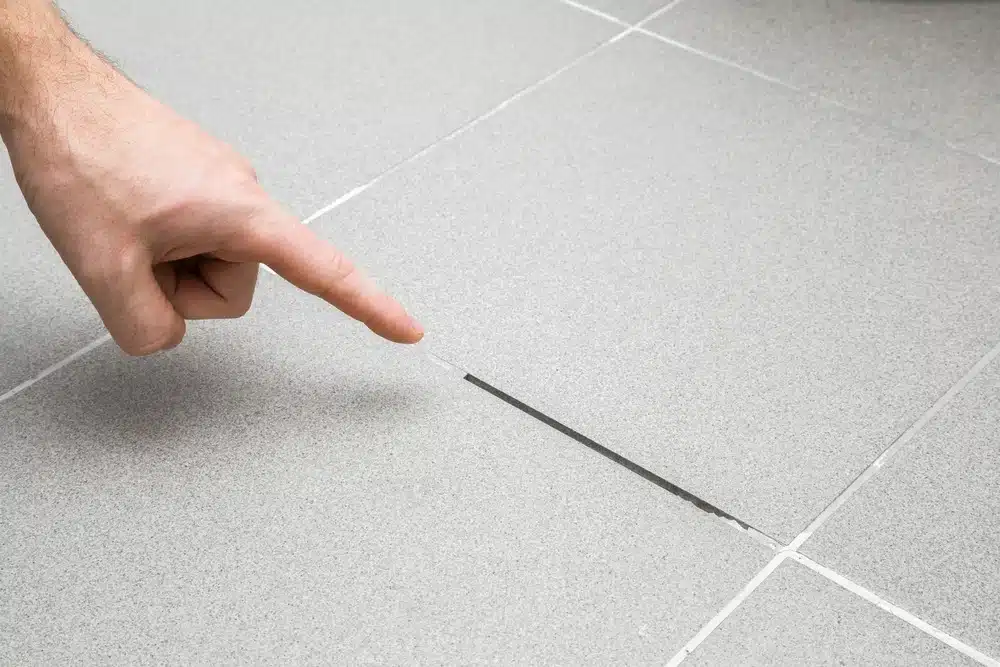

A clean grout line transforms the entire look of a floor, backsplash, or shower, yet many people rely on harsh products and disposable tools that generate waste and damage indoor air quality. This article explains practical zero-waste grout cleaning methods that protect your tiles, reduce environmental impact, and maintain healthier living spaces. You will learn how to choose natural cleaners, use reusable tools, prevent buildup, and create long-term maintenance habits that keep grout bright without contributing to landfill waste.
https://freshmaple.ca/
Understanding Grout and Its Cleaning Needs
Grout comes in different types, including sanded, unsanded, epoxy, and cement-based varieties. Each type reacts differently to moisture and cleaning tools. Sanded grout works best in wider tile joints, while unsanded grout fits narrow lines. Epoxy grout resists moisture and stains more effectively but still benefits from regular cleaning.
A zero-waste grout cleaning routine protects grout structure by avoiding abrasive tools that scratch or weaken the material. Natural cleaners penetrate deeply without stripping grout sealant. Routine care reduces stains, prevents mold growth, and keeps grout from cracking over time.
Essential Tools for Zero-Waste Grout Cleaning
Reusable tools create the foundation for a sustainable grout cleaning routine. Durable, long-lasting materials eliminate the need for disposable scrubbing pads or chemical-soaked wipes.
Recommended reusable tools include:
- A stiff, long-handled grout brush with replaceable bristles
- A small detailing brush for edges and corners
- Glass spray bottles for DIY cleaning solutions
- Reusable microfiber cloths
- A steam cleaner with a grout attachment
- A bucket made from recycled plastic or stainless steel
These tools support effective grout cleaning without generating unnecessary waste. Consistent use strengthens your maintenance routine and reduces long-term cleaning costs.
Natural, Zero-Waste Grout Cleaning Ingredients
Natural ingredients deliver strong cleaning power without synthetic chemicals or disposable packaging. Many of these ingredients are already in your pantry.
Effective zero-waste ingredients include:
- Baking soda for abrasive lifting action
- Vinegar for mineral and soap scum breakdown
- Lemon juice for natural whitening
- Hydrogen peroxide for disinfecting and stain removal
- Castile soap for gentle surface cleaning
Each ingredient works independently or in simple combinations to support deep grout cleaning. Stubborn dirt requires slightly different approaches, and natural solutions allow you to experiment safely.
Step-by-Step Zero-Waste Grout Cleaning Method
This method uses only natural ingredients and reusable tools. It works on most grout types and tile surfaces.
1. Sweep or vacuum the area.
Loose debris, dust, and crumbs interfere with effective grout cleaning. Remove surface dirt before applying any solution.
2. Create a baking soda paste.
Mix three parts baking soda with one part water. Adjust the texture until you reach a thick paste that adheres to grout lines.
3. Apply the paste directly to grout.
Use a reusable spoon, spatula, or small brush to spread the paste evenly. Let it sit for ten to fifteen minutes to loosen deep-set dirt.
4. Spray vinegar onto the paste.
Vinegar reacts with baking soda and creates a foaming action that lifts grime from porous grout. Allow the foam to work for five minutes.
5. Scrub with a stiff grout brush.
Move in small, circular motions to break up buildup. Apply firm pressure, but avoid aggressive scrubbing that damages grout.
6. Rinse with warm water.
Use a microfiber cloth to remove residue. Repeat the process for heavily stained areas.
Zero-Waste Steam Cleaning for Grout
Steam cleaning provides a powerful, chemical-free grout cleaning method. A handheld steam cleaner delivers high-heat vapor that kills bacteria, loosens stains, and reduces mold growth. It eliminates the need for packaged cleaners or disposable products.
Use the grout nozzle accessory for more precision. Move slowly along each grout line to let the heat dissolve buildup. Steam cleaning also sanitizes tile surfaces and requires only water, making it ideal for homes aiming for a zero-waste cleaning routine.
Homemade Zero-Waste Grout Cleaner Recipes
Lemon and Baking Soda Paste
- ¼ cup baking soda
- 2 tbsp lemon juice
- This blend brightens grout lines and dissolves soap scum. Lemon provides natural antibacterial benefits and a clean scent.
Hydrogen Peroxide Grout Cleaner
- ½ cup hydrogen peroxide
- ½ cup water
- This mixture works well on darker stains, especially in bathrooms and kitchens. Apply with a spray bottle and scrub after ten minutes.
Castile Soap Tile and Grout Solution
- 1 tbsp castile soap
- 1 cup warm water
- Use this gentle blend for routine grout cleaning and long-term maintenance.
Conclusion
Zero-waste grout cleaning supports a cleaner home, a healthier environment, and more durable tile surfaces. Simple ingredients, reusable tools, and consistent maintenance help you refresh grout lines without relying on harsh chemicals or disposable supplies. Practical routines and natural cleaning methods create a sustainable way to maintain bright, fresh tile throughout your home.










Sign in to leave a comment.