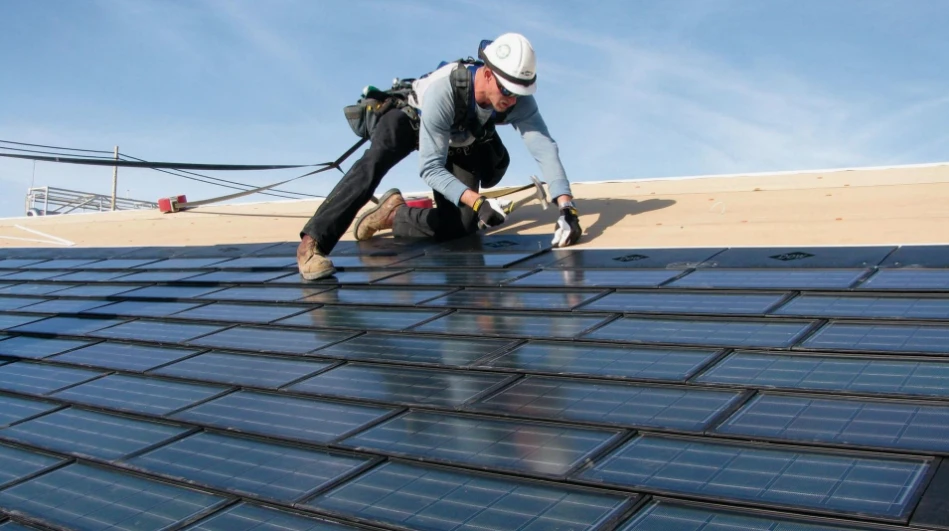
When it comes to the structure and safety of your business, the roof is one of the most important elements to consider. A well-maintained roof protects your commercial property from the elements, ensures energy efficiency, and plays a significant role in your building’s overall aesthetic appeal. Whether you're looking to install a new roof, replace an old one, or repair existing damage, understanding the basics of Commercial Roofing is essential for making informed decisions.
In this guide, we will explore everything you need to know about commercial roofing, including types of commercial roofing systems, signs that your roof needs attention, the process of commercial roof installation or repair, and how to choose the right contractor for the job. Whether you're a property owner or a facilities manager, this article will provide valuable insights for maintaining the roof of your commercial property.
What is Commercial Roofing?
Commercial roofing refers to the installation, repair, or replacement of roofs on non-residential buildings, including office buildings, retail spaces, warehouses, schools, hospitals, and more. Unlike residential roofing, which typically deals with single-family homes, commercial roofing deals with larger and often more complex roof systems due to the size and functionality of commercial buildings.
DM ROOFING & CONSTRUCTION is an experienced contractor in the commercial roofing space, offering professional services for businesses of all sizes. From flat roofs to sloped roof systems, we provide tailored roofing solutions to meet your needs.
Types of Commercial Roofing Systems
Choosing the right roofing system for your commercial property is essential. The best option will depend on factors such as the climate, building design, budget, and intended use of the building. Here are the most common types of commercial roofing systems:
1. Flat Roofs
Flat roofs are one of the most common roofing systems used for commercial buildings. They are particularly popular for warehouses, industrial buildings, and retail spaces due to their affordability and ease of installation.
- Pros: Affordable, easy to maintain, suitable for large areas, space-efficient (ideal for HVAC systems or rooftop gardens).
- Cons: Flat roofs can be prone to water pooling, which can lead to leaks if not properly maintained.
2. TPO (Thermoplastic Olefin) Roofing
TPO roofing is a single-ply roofing membrane made from a combination of polypropylene and ethylene-propylene rubber. It's popular for commercial buildings due to its energy efficiency, ease of installation, and durability.
- Pros: Energy-efficient (reflects sunlight), lightweight, cost-effective, and resistant to UV rays and ozone.
- Cons: Can be susceptible to punctures or tears if not maintained.
3. EPDM (Ethylene Propylene Diene Monomer) Roofing
EPDM is another popular single-ply roofing membrane often used for commercial properties. It’s made from synthetic rubber and is known for its long-lasting durability and cost-effectiveness.
- Pros: Highly durable, weather-resistant, low maintenance, and affordable.
- Cons: It can degrade faster in areas with intense sunlight.
4. Modified Bitumen Roofing
Modified bitumen roofing consists of asphalt and polymer materials. It is a popular choice for commercial roofs because it offers a high level of durability and flexibility.
- Pros: Durable, resistant to extreme temperatures, can be installed in multiple layers for added protection.
- Cons: More expensive than some other roofing systems, and installation requires specialized techniques.
5. Built-Up Roofing (BUR)
Built-up roofing, or BUR, is a traditional roofing system made up of multiple layers of roofing material, such as asphalt, tar, and gravel. It has been used for decades in commercial roofing applications.
- Pros: Highly durable, long-lasting, weather-resistant, and ideal for flat roofs.
- Cons: Installation is labor-intensive and may require longer drying times.
6. Metal Roofing
Metal roofing is becoming increasingly popular for commercial properties due to its longevity, resistance to weather conditions, and low maintenance needs.
- Pros: Long lifespan (up to 50 years or more), fire-resistant, energy-efficient, and highly durable.
- Cons: Can be more expensive than other roofing options, and may require specialized installation.
7. Green Roofing
Green roofing, also known as living roofs, involves growing vegetation on the rooftop. This system is especially beneficial for businesses looking to improve energy efficiency and sustainability.
- Pros: Eco-friendly, reduces energy consumption, improves air quality, and provides excellent insulation.
- Cons: Requires regular maintenance and may be cost-prohibitive for some businesses.
Signs Your Commercial Roof Needs Attention
Just like residential roofing, commercial roofs need regular maintenance and monitoring to ensure they stay in top condition. Here are some common signs that your commercial roof may need repairs or replacement:
1. Water Leaks or Stains
Leaks are one of the most obvious signs of roof damage. If you notice water stains on your ceilings or walls, it’s time to have your roof inspected by a professional. Leaks can lead to further structural damage and can create mold or mildew problems if left untreated.
2. Pooled Water or Ponding
Flat roofs are prone to water pooling, which can lead to significant damage over time. If you notice standing water on your roof after a rainstorm, this may indicate poor drainage or damaged areas.
3. Sagging Roof Deck
If the roof deck appears to be sagging or dipping, this could indicate structural issues. It’s essential to address sagging immediately, as it could lead to more severe damage or even roof collapse.
4. Cracked or Missing Shingles/Tiles
Although more common in sloped roofs, cracked or missing shingles or tiles can occur in commercial properties with these types of roofing systems. Damaged shingles allow water to enter the roof structure, leading to leaks and other problems.
5. Excessive Granule Loss (for Asphalt Shingles)
Asphalt shingles naturally shed granules as they age. If you notice a buildup of granules in your gutters or downspouts, it may be a sign that your roof is nearing the end of its lifespan.
6. Visible Wear and Tear
Inspect your roof for visible signs of wear and tear, such as blisters, cracks, or punctures. This could indicate that the roof material has deteriorated and needs to be repaired or replaced.
The Commercial Roofing Installation and Repair Process
Installing or repairing a commercial roof requires careful planning, proper materials, and a skilled team. Here's what you can expect during the process:
1. Initial Inspection and Assessment
The first step is a thorough inspection of the roof to determine its condition. A professional roofer will look for any signs of damage, aging, or underlying structural issues. After the inspection, you’ll receive an estimate for the work needed.
2. Choosing the Right Roofing Material
Once the inspection is complete, it’s time to choose the right roofing material based on the building’s requirements, climate, and your budget. A reputable roofing contractor, such as DM ROOFING & CONSTRUCTION, can help guide you in selecting the most suitable roofing system for your needs.
3. Roof Installation or Repair
Whether you’re installing a brand-new roof or repairing an existing one, the installation or repair process begins. This involves removing the old roofing material (if applicable), preparing the surface, and installing the new system.
4. Cleanup and Final Inspection
After the installation or repair is completed, your contractor will thoroughly clean the site, removing all debris and old materials. A final inspection will be conducted to ensure the roof is in excellent condition and up to industry standards.
How Long Does Commercial Roof Installation Take?
The length of time for commercial roof installation can vary based on the size and complexity of the roof. On average, the process can take anywhere from a few days to several weeks. Larger roofs, complex designs, or extreme weather conditions may increase the timeline.
DM ROOFING & CONSTRUCTION works efficiently to complete your commercial roofing project on time without compromising on quality.
How Much Does Commercial Roofing Cost?
The cost of commercial roofing varies depending on several factors, including:
- Roof size: Larger roofs require more materials and labor, increasing the cost.
- Material choice: Premium materials like metal or TPO are more expensive than traditional options.
- Roof complexity: Roofs with complex designs, such as multiple levels or numerous HVAC systems, will cost more to install or repair.
On average, commercial roof installations can range from $5,000 to $50,000 or more, depending on these variables.
How to Choose the Right Commercial Roofing Contractor
Choosing the right roofing contractor is critical to ensuring that the job is done correctly. Here are some tips to help you select a reputable contractor:
- Experience: Choose a contractor with experience in commercial roofing and a proven track record.
- References and Reviews: Check online reviews and ask for references from previous clients.
- Licensing and Insurance: Ensure the contractor is licensed and insured to work on commercial roofs.
- Transparent Estimates: Make sure you receive a detailed estimate with clear pricing and no hidden costs.
DM ROOFING & CONSTRUCTION is a trusted name in commercial roofing, offering high-quality services backed by years of experience and exceptional customer service.
FAQs About Commercial Roofing
1. How long will my commercial roof last?
The lifespan of your commercial roof depends on the material used. Flat roofs generally last around 15-20 years, while metal roofs can last 40-50 years with proper maintenance.
2. Can I stay in my building during a roof installation or repair?
Yes, most commercial roof installations can be done while your building is occupied. However, some disruptions may occur, so it's important to plan accordingly.
3. How can I maintain my commercial roof?
Regular inspections, cleaning, and maintenance are key to prolonging the life of your commercial roof. Address any issues, such as leaks or cracks, as soon as they arise to prevent further damage.





















Sign in to leave a comment.