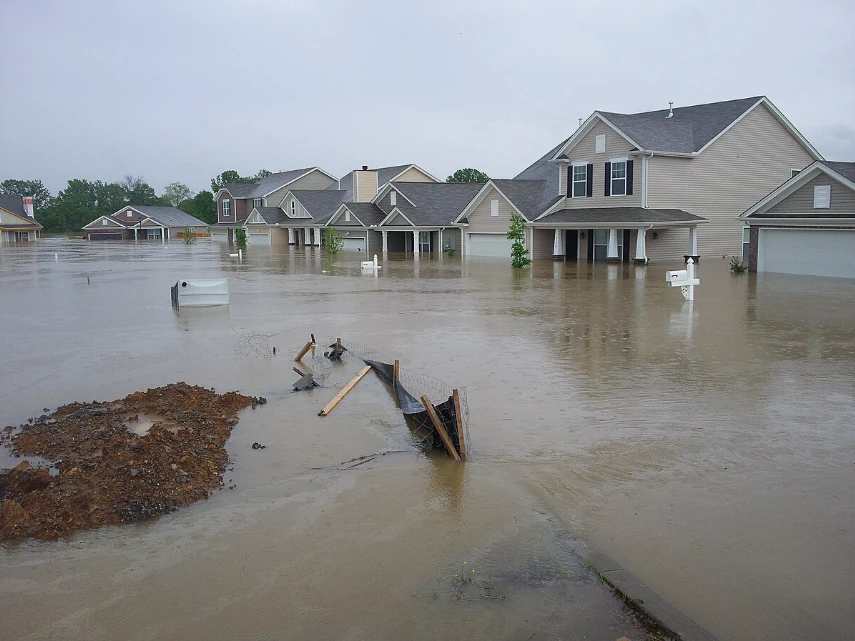
Flooding is one of the most common—and most costly—natural disasters in the United States. Whether caused by heavy rain, hurricanes, melting snow, or overflowing rivers, floods can devastate homes and businesses in minutes. The financial impact of flood damage is staggering, often running into tens or even hundreds of thousands of dollars per property. And here’s the kicker: most standard homeowners insurance policies don’t cover flood damage.
That’s where Flood Damage Insurance becomes essential. In this guide, you’ll learn what flood insurance covers, how to get it, and what to do when your property is affected. You’ll also discover how working with professionals like Joe Hensley Public Insurance Adjusters can help you navigate the claims process and recover faster.
What Is Flood Damage Insurance?
Flood damage insurance is a specialized policy that covers losses and damage specifically caused by flooding. This includes water damage from natural sources, such as:
- Heavy or prolonged rainfall
- Overflowing rivers, lakes, or streams
- Storm surges and hurricanes
- Rapid snowmelt
- Blocked drainage systems
- Mudflows related to flooding
It’s important to understand that flood insurance is different from water damage coverage included in typical home policies. For example, if a pipe bursts or your roof leaks during a storm, that’s usually covered. But if your neighborhood floods from rising water, you’re not covered—unless you have a separate flood policy.
Why Flood Insurance Matters
You might assume your property isn’t at risk if you don’t live near a coast or river. However, floods can occur almost anywhere. According to FEMA, just one inch of floodwater can cause over $25,000 in damage. With climate change increasing the frequency and intensity of weather events, even low-risk areas are seeing unexpected flooding.
Here’s why flood insurance is more important than ever:
- Peace of mind during hurricane season or heavy rains
- Financial protection from catastrophic property loss
- Faster recovery with fewer out-of-pocket costs
- Loan eligibility—many lenders require it in flood zones
What Does Flood Insurance Cover?
Flood damage insurance typically includes two types of coverage: building property and personal contents. You can buy them together or separately.
Building Property Coverage
- Foundation walls and support systems
- Electrical and plumbing systems
- Furnaces, water heaters, and central air units
- Refrigerators, cooking stoves, and built-in appliances
- Permanently installed carpeting over unfinished floors
- Detached garages (up to a certain limit)
Personal Contents Coverage
- Clothing, furniture, and electronics
- Washers and dryers
- Portable air conditioners and microwaves
- Valuable items (limited coverage for art, jewelry, etc.)
Keep in mind that coverage has limits. For residential properties, the National Flood Insurance Program (NFIP) provides up to $250,000 for buildings and $100,000 for contents. If your property is worth more, you may need excess flood insurance through private insurers.
What’s Not Covered?
Flood insurance doesn’t cover everything. Understanding the exclusions can prevent surprises later.
- Damage from moisture, mildew, or mold not caused by the flood
- Temporary housing or alternative accommodations
- Vehicles
- Decks, fences, pools, and landscaping
- Currency, stock certificates, or precious metals
- Loss of business income (unless you have a special policy)
That’s why it’s smart to work with professionals like Joe Hensley Public Insurance Adjusters—they can help you understand exactly what’s covered and ensure you don’t leave money on the table during the claim process.
How to Get Flood Damage Insurance
1. Check Your Risk
Use FEMA’s Flood Map Service Center or ask your insurance agent to determine your flood zone classification. This will affect your premiums and coverage requirements.
2. Buy Through NFIP or Private Insurers
Flood insurance is available through the National Flood Insurance Program (NFIP) and private carriers. NFIP policies have standardized rates, while private insurers may offer more flexibility, especially in lower-risk zones.
3. Understand the Waiting Period
There’s usually a 30-day waiting period from the date of purchase before coverage takes effect. Don’t wait until a storm is on the radar—it’ll be too late.
4. Bundle for Better Rates
Ask about bundling your flood policy with home, auto, or umbrella insurance. Some companies offer discounts for bundling or for having preventive measures in place (e.g., sump pumps, raised HVAC systems).
How to File a Flood Insurance Claim
Experiencing flood damage is stressful, but filing your insurance claim doesn’t have to be. Follow these steps to get started:
1. Contact Your Insurance Provider Immediately
Let your insurer know you’ve experienced a flood. They’ll give you a claim number and connect you with an adjuster.
2. Document the Damage Thoroughly
Take photos and videos of all affected areas. Create a detailed inventory of damaged items, including approximate values and purchase dates if possible.
3. Keep Damaged Items
Unless instructed otherwise, don’t throw away damaged belongings until your adjuster has reviewed them.
4. Prevent Further Loss
Take steps to minimize further damage, such as removing standing water or boarding up broken windows. Keep receipts for any materials or emergency services.
5. Get Help from a Public Adjuster
Filing a flood claim can be complicated and time-consuming. That’s why many people choose to work with Joe Hensley Public Insurance Adjusters. They advocate on your behalf, ensuring your claim is documented correctly and negotiated fairly.
Why Use a Public Insurance Adjuster?
After a major flood, dealing with your insurance company can feel overwhelming. Between paperwork, inspections, and negotiations, it’s easy to miss important details or settle for less than you deserve.
That’s where public adjusters come in. Unlike the insurance company’s adjuster—who works for them—a public adjuster works for you.
Joe Hensley Public Insurance Adjusters can help you:
- Interpret complex insurance policy language
- Accurately assess and document the full extent of your losses
- Submit detailed, properly formatted claims
- Negotiate a fair settlement on your behalf
- Speed up the process so you can recover faster
Their experience with flood-related claims can take the stress out of the process and ensure you’re treated fairly.
Tips for Preventing Flood Damage
While you can’t control the weather, you can reduce the impact of a potential flood on your property. Here are some effective prevention tips:
- Elevate major systems like HVAC, water heaters, and electrical panels
- Install sump pumps with battery backups in basements
- Use flood-resistant materials in high-risk areas of your home
- Seal foundation cracks to block seepage
- Keep gutters and downspouts clear to direct water away from your foundation
- Create a drainage plan for your yard to prevent pooling
Proactive steps today can save thousands in the future—and may even qualify you for lower flood insurance premiums.
The Emotional Impact of Flooding
Floods don’t just damage buildings—they disrupt lives. Displacement, financial strain, and the loss of personal possessions can take a major emotional toll. It’s important to take care of your mental health, too.
Lean on your community, seek professional support if needed, and don’t hesitate to reach out to professionals who can ease your burden. Trusted advocates like Joe Hensley Public Insurance Adjusters can help take the pressure off when you’re dealing with loss and recovery.
Final Thoughts
Floods are unpredictable, but your response doesn’t have to be. With the right flood damage insurance and a clear understanding of your coverage, you can protect your property, finances, and peace of mind. Don’t wait for a disaster to strike—get informed, insured, and prepared today.
And if you do face the unfortunate reality of flood damage, remember: you don’t have to go it alone. Joe Hensley Public Insurance Adjusters can guide you through the claims process, helping you recover faster and get the full compensation you deserve.
FAQs About Flood Damage Insurance
1. Does homeowners insurance cover flood damage?
No. Standard homeowners policies typically exclude flood damage. You need a separate flood insurance policy to be covered.
2. How much does flood insurance cost?
The cost varies depending on your property's location and risk level, but premiums generally range from $400 to over $1,500 annually.
3. Can I buy flood insurance if I’m not in a flood zone?
Yes. In fact, more than 20% of flood claims come from low-to-moderate risk areas. You may also qualify for lower premiums if you're outside a high-risk zone.



























Sign in to leave a comment.