

Aging is a transformative process in the world of alcoholic beverages, particularly for spirits like whisky, rum, and brandy. In India, where climatic conditions differ significantly from traditional spirit-producing regions, aging imparts unique characteristics to these beverages. This article delves into the science of aging alcohol, its significance, and how India's environment influences this process
The Science of Aging Alcohol
Aging involves storing distilled spirits in wooden barrels, typically oak, for a specific period. This process allows the spirit to interact with the wood, leading to several chemical and physical changes:
- Flavor Development: Compounds in the wood, such as lignin, hemicellulose, and tannins, dissolve into the spirit, adding flavors like vanilla, caramel, and spice.
- Color Transformation: Clear spirits take on a golden to amber hue as they extract pigments from the wood.
- Mellowing Effect: Harsh alcohol notes are softened over time, resulting in a smoother taste.
- Evaporation – The "Angel's Share": A portion of the spirit evaporates through the barrel, concentrating the remaining liquid and enhancing its complexity.
These changes are influenced by factors like barrel size, wood type, previous barrel use, and storage conditions.
Aging in the Indian Context
India's tropical climate accelerates the aging process compared to cooler regions:
- Faster Maturation: Higher temperatures increase the interaction between the spirit and the barrel, leading to quicker flavor development.
- Higher Evaporation Rates: The "angel's share" in India can be as high as 11–12% annually, compared to about 2% in Scotland.
- Shorter Optimal Aging Period: Due to rapid maturation, Indian spirits often reach their peak flavor in a shorter time frame.
For instance, Amrut Distilleries in Bengaluru found that one year of barrel aging in India is equivalent to three years in Scotland.
Regulatory Standards in India
The Food Safety and Standards Authority of India (FSSAI) has set guidelines for aging alcoholic beverages:
- Minimum Aging Period: Spirits labeled as "matured" must be aged for at least one year in oak or other suitable wooden containers.
- Age Statements: If an age is mentioned, it must refer to the youngest spirit in the blend.
These standards ensure transparency and help maintain quality across the industry.
Indian Innovations in Aged Spirits
Indian distilleries have embraced aging, producing spirits that gain international recognition:
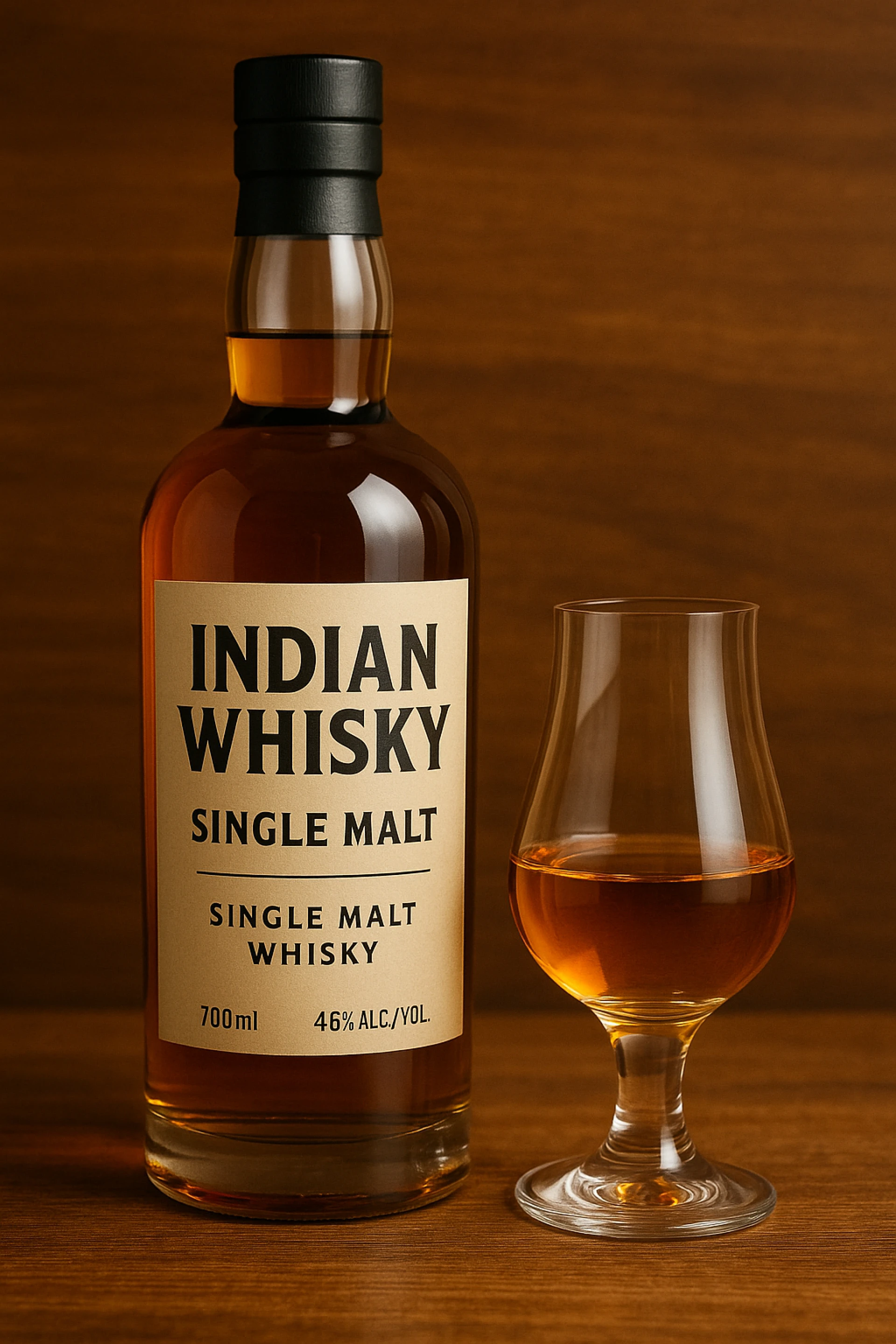
- Amrut Distilleries: Pioneered Indian single malt whisky, with expressions like Amrut Fusion gaining global acclaim.
- Paul John and Rampur: Offer single malts that showcase India's unique aging conditions.
- Camikara Rum: Produced by Piccadilly Distilleries, this aged rum has won medals at international competitions, highlighting the potential of aged Indian rums.
- Amrut Nilgiris Cask Aged Gin: An innovative gin aged in whisky barrels, blending botanical flavors with oak-induced complexity.
- Anytime Whisky: Crafted by Rajasthan Liquors Limited, Anytime Whisky blends premium Scotch malts with select Indian grain spirits. Matured over time and elegantly finished in rare casks, it offers a smooth and indulgent taste that reflects the art of aging in India's unique climate.
Challenges and Opportunities
While aging enhances spirit quality, it presents challenges:
- Evaporation Losses: Higher "angel's share" leads to reduced yield and increased costs.
- Regulatory Hurdles: International markets like the UK require a minimum of three years of aging for whisky, posing challenges for Indian exports.
However, these challenges also present opportunities for innovation and differentiation in the global market.
Aging is a crucial process that defines the character and quality of spirits. In India, the unique climatic conditions accelerate this process, allowing every alcohol manufacturing company to produce complex and flavorful spirits in a shorter time. As Indian distilleries and alcohol manufacturing companies continue to innovate and gain international recognition, aging will remain central to their success, offering consumers around the world a taste of India's rich and diverse spirit heritage.


























Sign in to leave a comment.