
Death is one of the few universal human experiences, and across every culture and continent, flowers have stood at its threshold. Long before florists existed, people laid blossoms beside the departed, wove petals into mourning garlands, and planted fragrant herbs on graves. Today, the tradition continues - but understanding which flower to choose, and why, can make your tribute far more meaningful.
At Southside Blooms, flowers are more than a product. They carry emotion, memory, and intention. Whether you're planning a memorial, sending condolences, or simply curious about floral symbolism, this guide walks through the most significant flowers associated with death and mourning across human history.
Why Flowers and Death Are Inseparable
The earliest known evidence of funeral flowers dates back roughly 60,000 years, when Neanderthals were buried with pollen from medicinal plants. Flowers have played this role ever since - not because they are morbid, but because they are alive. They speak of beauty, transience, and the certainty that life continues beyond any single bloom.
Each culture has developed its own floral vocabulary around death. A flower that represents mourning in one country may symbolize joy in another. Understanding that language helps you honor the deceased - and comfort the living - with exactly the right gesture.
The Most Significant Flowers of Death and What They Symbolize
Chrysanthemum - The Mourning Flower of Europe
In the United States, chrysanthemums typically signal cheerfulness and "get well soon" encouragement. Cross the Atlantic, however, and their meaning shifts entirely. Across much of Europe - France, Belgium, Italy, and Austria especially - chrysanthemums are placed exclusively in cemeteries and on graves. Bringing them to a dinner party would be considered deeply inappropriate.
This duality makes the chrysanthemum one of the most culturally nuanced flowers you can choose. For a funeral arrangement, it strikes a balance: a symbol of support for the grieving, and respect for the deceased. Browse Southside Blooms' shop for seasonal arrangements featuring these versatile blooms.
Carnation - Love, Spirit, and Remembrance
The carnation's connection to death is rooted in theology. Many believe the word derives from "incarnation," a reference to divine presence made flesh. This has made carnations a traditional choice for funerals where the focus is on celebrating a life rather than mourning a loss.
Different colors carry different messages: white carnations speak of pure love and innocence; red ones express admiration and deep affection. Because carnations are also the classic Mother's Day flower, they carry special resonance when honoring a mother or grandmother. Read more about carnation symbolism to choose the color that best fits your tribute.
Red Poppy - War, Sacrifice, and Remembrance
Few flowers carry as much historical weight as the red poppy. Since the fields of Flanders in World War I, where poppies bloomed wild among the graves of fallen soldiers, the red poppy has become synonymous with remembrance and sacrifice. It is the flower of veterans, of those who gave their lives in service, and of the fleeting, precious nature of life itself.
Today, red poppies appear at military memorials, veterans' ceremonies, and tribute services around the world. They are also a meaningful choice when honoring anyone who lived with extraordinary courage.
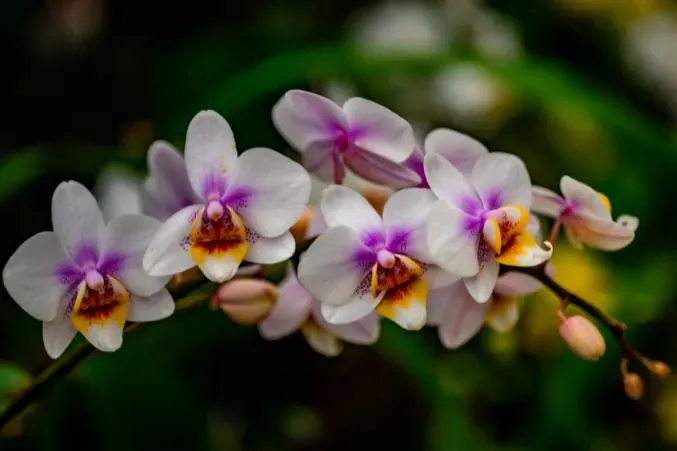
Orchid - Eternal Love and Dignified Sympathy
Orchids bring an air of quiet elegance to any memorial setting. Pink and white orchids, in particular, are long-standing symbols of eternal love and heartfelt sympathy. Their long bloom life also makes them a practical gift - a living reminder of the deceased that survives long after the service ends.
Phalaenopsis (moth orchids) and Dendrobium orchids are the most commonly used sympathy varieties. Orchids have also found a place in modern Buddhist funerals and other spiritual traditions that emphasize life's continuation beyond death. If you're looking for a lasting tribute, Southside Blooms can help you select an orchid arrangement that will be treasured for weeks.
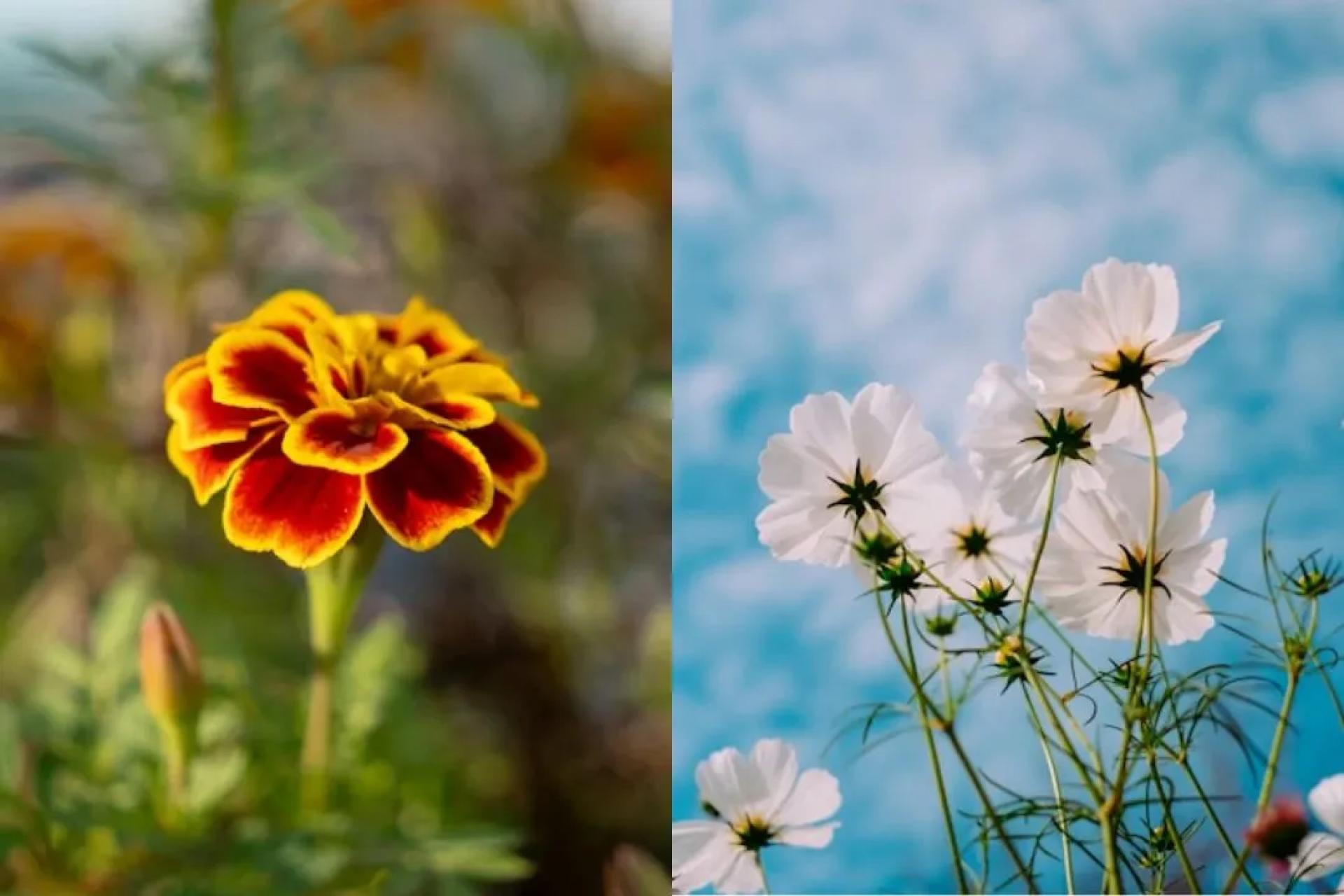
Marigold - The Bridge Between the Living and the Dead
No flower is more deeply connected to the Day of the Dead (Día de los Muertos) than the marigold. In Mexican tradition, their vivid orange and yellow petals and strong fragrance are said to guide the spirits of the deceased back to their families. Marigold paths are laid from doorstep to altar, and altars are blanketed in these bright blooms.
The marigold's message is not one of grief - it's one of celebration. Life and death coexist; the dead remain present among us. Marigolds are also the birth flower for October, which means they carry a joyful duality: they can mark a life's beginning and a life's end with equal beauty. For a loved one born in October, pairing marigolds with happy birthday flowers can become a touching way to honor their full story.
White Rose - Purity, Virtue, and Peaceful Departure
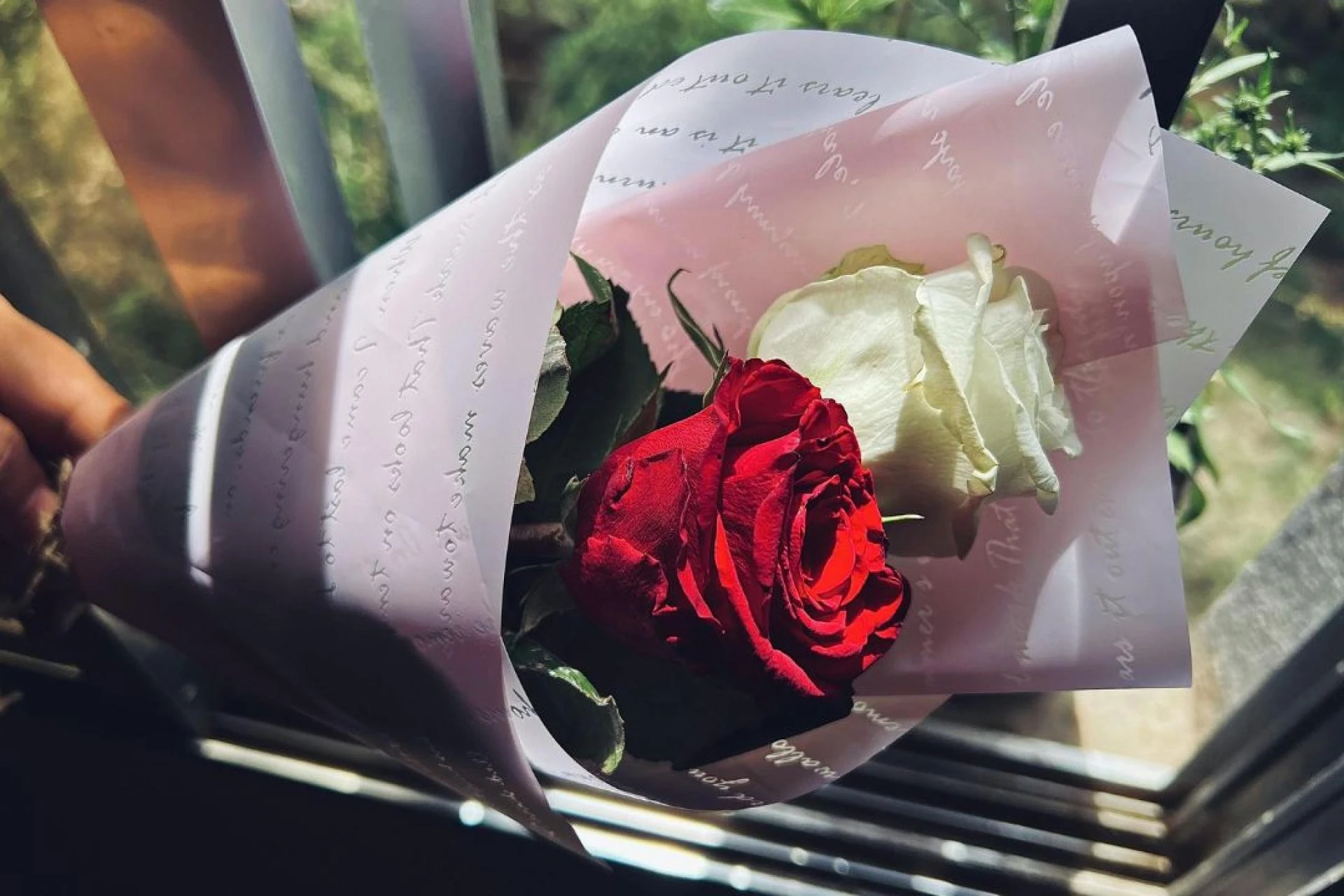
The white rose is perhaps the most universally understood funeral flower in the Western world. It speaks of purity, innocence, and the peaceful departure of a soul. When dried and freeze-preserved, white roses take on an even deeper symbolism - the idea that some things are worth holding onto forever, that death cannot diminish virtue or love.
White roses are frequently chosen for children's funerals and for individuals who embodied gentleness and grace. They are also a deeply appropriate flower for formal memorial services. Explore Southside Blooms' special social occasion flowers for arrangements that work beautifully across different types of tribute events.
Black Rose - Endings That Lead to New Beginnings
True black roses don't exist in nature - what we call "black" roses are actually an extremely deep shade of burgundy or purple. This rarity and intensity have made them powerful symbols of endings, transformation, and the doorway between one phase of existence and the next. They speak of grief, yes - but also of resilience and rebirth.
Black roses appear in gothic memorial traditions, in art, and increasingly in modern funeral floristry as people seek arrangements that feel personal rather than conventional. Learn more about black flowers and their nuanced symbolism.
Cultural Differences: When Flowers Are Not Appropriate
It's important to know that flowers are not universally welcome at all funerals. In Jewish and Islamic traditions, flowers at a funeral service are typically not part of the custom. Hindu mourners traditionally arrive empty-handed. At Buddhist ceremonies, white flowers are appropriate, but red flowers - associated with celebration and vitality - are considered poor etiquette.
If you're unsure about a family's customs, contact the funeral home or ask a close family friend before sending an arrangement. The gesture matters most when it's received as intended.
Choosing the Right Arrangement
Beyond individual flowers, the type of arrangement also conveys meaning. A standing spray displayed beside the casket is a formal tribute, traditionally sent by close family. A flower basket is versatile and appropriate for any setting - the funeral home, a church, or a family's home. A living dish garden or potted plant is ideal for families who appreciate something that lasts beyond the service itself.
At Southside Blooms, every arrangement is crafted with care, and the team understands the weight of what these flowers carry. If you want a tribute that reflects who the person truly was - not just a standard sympathy basket - they can help you find the right blooms, the right colors, and the right words to accompany them.
For community organizations, religious groups, or non-profits planning memorial events, Southside Blooms' non-profit and charity services offer thoughtful floral solutions that honor large-scale tributes with the same personal attention.
A Final Thought
Flowers of death are not somber relics of grief. They are living things placed at a threshold, carrying the weight of everything we cannot say out loud. A white rose says you were pure of heart. A red poppy says we will never forget. A marigold says come find us — we are still here.
Originally published at https://www.apsense.com.


















Sign in to leave a comment.