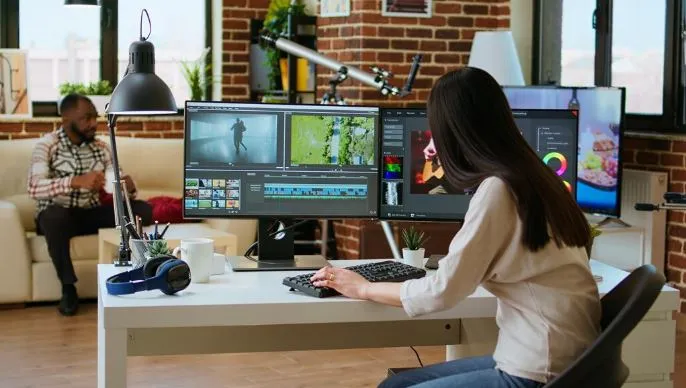

Video has become one of the most effective ways for brands to communicate with customers, explain products, and build stronger connections with their audience. However, creating an animated video involves more than writing a script and adding visuals. One of the most important decisions is selecting the right animation style. The style you choose influences how your message is perceived, how memorable your brand becomes, and whether viewers stay engaged until the end.
Different animation styles serve different purposes. Some are ideal for simplifying complex ideas, while others focus on storytelling, entertainment, or creating a premium visual experience. Understanding the strengths of each style helps businesses invest in videos that align with their marketing goals rather than simply following trends.
Here are ten animation styles every brand should know before creating a video.
1. 2D Animation
Traditional 2D animation remains one of the most popular choices for businesses of all sizes. It uses flat illustrations, smooth transitions, and engaging character movements to deliver messages in an approachable and visually appealing way.
This style works well for explainer videos, product introductions, educational content, and promotional campaigns. Because it is highly flexible, brands can customize characters, colors, and visual elements to match their identity while keeping production costs relatively affordable.
For companies introducing new products or services, 2D animation offers an excellent balance between creativity and clarity.
2. Motion Graphics
Motion graphics focus on animated text, icons, charts, and graphic elements instead of character-driven storytelling. This animation style is particularly effective for presenting statistics, workflows, business processes, or technical information.
Brands in technology, finance, healthcare, and software industries frequently use motion graphics to simplify complicated topics without overwhelming viewers.
Since motion graphics emphasize clean design and clear communication, they are ideal for corporate presentations, social media advertisements, website hero videos, and product demonstrations.
3. Whiteboard Animation
Whiteboard animation creates the illusion of illustrations being drawn by hand on a white background while a narrator explains the topic. This format naturally guides viewers through information step by step, making it easier to understand educational or instructional content.
Many businesses use whiteboard videos for employee training, customer onboarding, and educational marketing because the style keeps viewers focused on the message rather than elaborate visuals.
Although it has existed for years, whiteboard animation continues to be effective when explaining complex concepts in a straightforward manner.
4. 3D Animation
When brands want highly realistic visuals and premium production quality, 3D animation is often the preferred choice. This style creates depth, lighting, realistic textures, and dynamic camera movements that closely resemble real-world objects.
Manufacturers, automotive companies, medical organizations, and architecture firms often use 3D animation to showcase products from every angle or demonstrate processes that would be difficult to film.
While production generally requires more time and budget than 2D animation, the visual impact can significantly enhance brand perception.
5. Character Animation
Character animation focuses on animated personalities that represent customers, employees, or fictional brand ambassadors. Characters help create emotional connections because audiences naturally relate to expressions, body language, and storytelling.
Brands often use character animation to explain customer pain points, demonstrate product benefits, or communicate company values through relatable situations.
Well-designed characters can become recognizable brand assets that appear consistently across multiple marketing campaigns.
6. Cut-Out Animation
Inspired by paper cut-outs and layered illustrations, cut-out animation combines simple shapes with creative movement to produce a distinctive visual style. Modern software has transformed this classic technique into an efficient digital animation method.
This style works particularly well for brands seeking a playful, artistic, or handcrafted appearance. It offers a refreshing alternative to traditional corporate visuals while maintaining professional quality.
Cut-out animation can help businesses stand out in crowded digital spaces where audiences encounter similar-looking content every day.
7. Isometric Animation
Isometric animation presents objects from a fixed three-dimensional perspective while maintaining flat design principles. It creates an organized, modern appearance without requiring full 3D production.
Technology companies, SaaS providers, logistics businesses, and engineering firms frequently use isometric animation to visualize systems, infrastructure, workflows, and digital platforms.
The structured perspective makes complicated information easier to follow while giving videos a polished and contemporary aesthetic.
8. Kinetic Typography
Kinetic typography uses animated text as the primary storytelling element. Words move, scale, rotate, and transition across the screen in synchronization with voiceovers or music.
This style is particularly effective for emphasizing key messages, memorable quotes, product features, or important statistics. Because viewers both hear and read the information, message retention often improves.
Brands commonly combine kinetic typography with motion graphics or live-action footage to create fast-paced marketing videos that capture attention quickly.
9. Stop Motion Animation
Stop motion animation involves photographing physical objects frame by frame to create movement. Although it requires careful planning and production, the final result has a unique handcrafted quality that digital animation cannot fully replicate.
Brands selling artisan products, food, toys, fashion, or lifestyle goods often use stop motion to create memorable advertising campaigns that feel authentic and creative.
Its distinctive look helps brands differentiate themselves while delivering highly shareable social media content.
10. Mixed Media Animation
Mixed media animation combines multiple animation techniques within a single video. For example, a project may include 2D characters, motion graphics, kinetic typography, photographs, and live-action footage working together to tell one cohesive story.
This flexible approach allows brands to highlight different types of information while maintaining viewer interest throughout the video.
Mixed media animation is especially valuable for businesses that want dynamic storytelling without being limited to a single visual style.
Choosing the Right Animation Style
Selecting the best animation style should begin with your communication goals rather than visual preferences alone. Consider your target audience, industry, brand personality, distribution channels, and available budget before making a decision.
For example, a software company explaining complex features may benefit from motion graphics or isometric animation, while a consumer brand seeking emotional engagement might achieve better results through character animation. Manufacturers showcasing detailed machinery may find that 3D animation delivers the realism necessary to build customer confidence.
It's also important to think about consistency. Using a recognizable animation style across multiple campaigns helps strengthen brand identity and creates familiarity among your audience over time.
Working with an experienced animation studio can also simplify the decision-making process. Professional animators understand how to match visual styles with business objectives, ensuring that the final video not only looks attractive but also supports measurable marketing goals.
Final Thoughts
Animation offers brands virtually unlimited creative possibilities, but success depends on choosing a style that aligns with your message and audience expectations. Whether you need the simplicity of whiteboard animation, the professionalism of motion graphics, the emotional appeal of character animation, or the realism of 3D visuals, each style brings unique strengths to your marketing strategy.
By understanding these ten animation styles before starting production, businesses can make informed decisions that maximize engagement, improve communication, and create videos that leave a lasting impression. Investing time in selecting the right animation style is the first step toward producing content that effectively represents your brand and delivers meaningful results.


























Sign in to leave a comment.