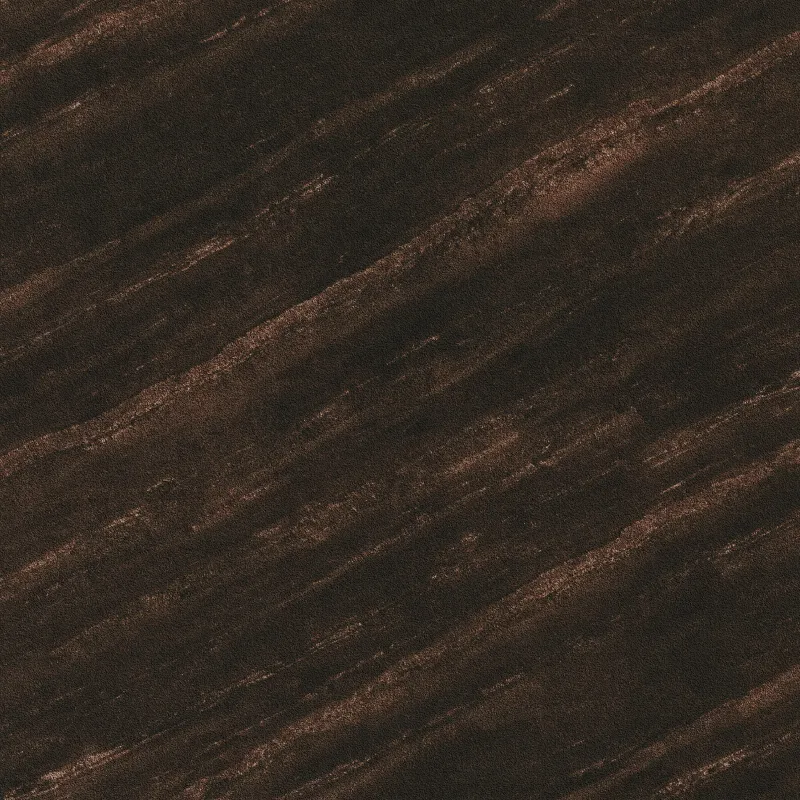

Wood look accent walls have been on the scene for a while now, and if you've been following the interior design craze, you'll know they're coming at you from all directions, from living room accents to home office accents. Much of that appearance is due to one material: a wpc wall panel interior finish. WPC (wood-plastic composite) is a combination of high quality plastic and wood fibers, which creates panels with a wood appearance but with a plastic feel once installed. Its migration to the interior follows a long history of the use of the material for outdoor decking and cladding, which has been taking place for years as a trend of natural textures that do not require the maintenance required by traditional materials.
This is why it's one of the most popular options for home renovation. Here are 10 true, practical benefits that should help you understand why WPC has become a popular option for interior walls and some general facts you should know before you start choosing which WPC to install or which WPC interior wall look you want to go with.
1. Genuine Moisture and Water Resistance
WPC panels are waterproof, whereas solid wood becomes warped, swell, or rotten when it comes in contact with moisture. They are a good option for the kitchen, bathrooms, basements and any other room where water is a constant problem, but they will not sacrifice the natural, warm feel of your space.
2. Zero Sanding, Sealing, or Staining
Wood paneling should be maintained regularly to protect it, such as sanding, sealing, and restaining at regular intervals. All of that is avoided with WPC panels. They have been pre-assembled, and they are prepared to move in, so this ensures that the project's renovation process will be quick from start to finish.
3. Resistance to Termites and Other Pests
The plastic make up of WPC makes it repellent to the termites and other wood-boring insects, which makes it a less desirable food source. This is a criteria that can make the difference for homeowners who have encountered insect problems in the older wood trim or paneling.
4. Easy, Low-Disruption Installation
Many WPC panels are designed with simple click-fit or panel-to-panel systems that go up faster than traditional tile, plaster, or solid wood cladding. That means less mess, less time with your room torn apart, and a quicker path to a finished space, which matters whether you're a homeowner tackling a weekend project or a contractor working on a tighter timeline.
5. Genuine Acoustic Improvement
Textured WPC panels, especially fluted and slatted designs, help absorb sound and reduce echo in a room. That's part of why these panels have become popular in home offices, media rooms, and bedrooms, where a calmer, quieter atmosphere makes a noticeable difference day to day.
6. A Wide Range of Textures and Finishes
WPC panels aren't limited to one look. You'll find deep wood-grain textures, smooth matte surfaces, fluted vertical slats, and even stone-inspired finishes, so the material can fit almost any design direction, from a cozy traditional bedroom to a sleek, minimalist living room.
7. A More Sustainable Material Choice
Most WPC panels incorporate recycled plastic and wood byproducts rather than relying on freshly harvested timber. Combined with the fact that no paint, varnish, or lacquer is needed during installation, WPC is generally considered a more environmentally responsible option than traditional solid wood paneling.
8. Better Insulation and Potential Energy Savings
The composite construction of WPC exhibits a natural insulating capacity which is not the same for plaster or thin wood veneer. In most homes and climates, homeowners report a slight improvement in temperature stability in rooms that are finished with these panels.
9. Long-Term Durability Without Constant Upkeep
If installed correctly, WPC wall panels can last for twenty-five years or more, and need to be wiped down occasionally to maintain their appearance. Unlike painted drywall, they will not suffer from the typical scuffs and stains of daily use, so your accent wall remains fresh and new looking years after it is installed without having to repaint.
10. Budget Flexibility Without Compromising on Style
The price of WPC wall panels varies significantly, and they can be found in a variety of different qualities, depending on the project size and the quality of the interior finish you seek. The versatility allows you to achieve a sleek and sophisticated appearance without breaking the bank, making this a popular choice among homeowners embarking on their first renovation and seasoned designers.
Choosing the Right WPC Panel for Your Space
There are so many varieties of texture and finishes to consider that it's best to consider where the panel will be placed and the use of the space before choosing. A fluted slat panel may be a good choice for a living room feature wall, whereas a more subdued wood-grain texture may be best for a hallway or a bedroom. Furthermore, WPC is not a composite, the only one that should be considered: many homeowners combine wood grain panels with other decorative stone wall panels in other areas of the home to create textural contrast or opt for stone wall panels in entryways where additional weight and substance are more appropriate.
Whether you are renovating a kitchen and just need some guidance to choose the finish, texture and installation method that's right for your home, Blackbox Kitchens can help you select and install the perfect wall panel solution for your space from start to finish.
Frequently Asked Questions
Are WPC wall panels actually waterproof, or just water-resistant?
Most indoor WPC panels are highly water-resistant and many are marketed as fully waterproof, making them suitable for kitchens, bathrooms, and other moisture-prone areas. That said, it's worth checking the specific product's rating, since formulations vary between manufacturers.
Can WPC wall panels be installed near a fireplace or heat source?
This is one area where caution matters. WPC is a thermoplastic material, and concentrated heat from fireplaces, high-powered spotlights, or poorly ventilated electronics can cause it to soften or warp over time. It's best to keep WPC panels a safe distance from any direct or concentrated heat source.
How long do WPC wall panels typically last?
With proper installation, WPC wall panels can last well over a decade, and many manufacturers report a lifespan approaching 25 years with minimal maintenance, since the material resists rot, pests, and everyday wear far better than untreated wood.
Do WPC wall panels require a perfectly flat wall for installation?
A reasonably even wall surface gives the best results. Minor unevenness can sometimes be compensated for with adhesive, but a wall with significant undulation can lead to gaps or warping after installation, so leveling the surface first is generally recommended.
Can you hang shelves, TVs, or other heavy items directly on WPC wall panels?
Not directly. Most indoor WPC panels use a lightweight hollow or perforated structure, so they aren't built to bear significant weight on their own. For anything heavier, like a TV bracket or shelf, longer bolts should pass through the panel and anchor into the solid wall or framing behind it.























Sign in to leave a comment.