

Managing a traditional data center often feels like juggling too many balls at once. You have separate servers and storage arrays, plus complex networking cables everywhere. Each piece comes from a different vendor with its own renewal fees and power needs. This fragmented approach creates hidden costs that eat away at your annual budget. Many IT teams now turn to Hyperconverged Infrastructure or HCI to simplify this mess. HCI solutions combine your computing and storage into one smart system. This shift does more than just save space on a metal rack. It changes how you spend money on technology every single day.
Let's explore how this modern setup keeps more cash in your pocket while boosting your overall performance.
1. Reducing Your Hardware Footprint
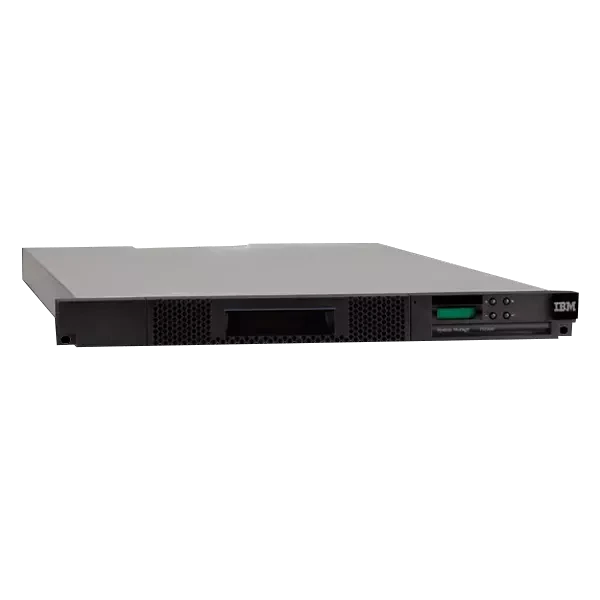
Traditional setups require massive racks filled with different boxes. You need specific hardware for every task, which leads to wasted physical space. This is where HCI solutions unify multiple infrastructure components into a streamlined platform, minimizing hardware sprawl and significantly reducing capital and operational expenses. This consolidation means you buy fewer physical parts from the start. You no longer need to purchase expensive external storage controllers or dedicated switches. Fewer boxes in the room mean you spend less on high-end hardware maintenance. This leaner approach keeps your initial capital expenses much lower than old-fashioned methods.
2. Cooling and Power Savings
Fewer machines in your server room generate much less heat. Standard data centers spend a fortune on industrial cooling systems to keep parts from melting. When you switch to HCI, you notice the temperature drops along with your electricity bill. These systems use modern power-efficient processors that do more work with less energy. You stop paying for power to empty storage disks that are not even in use. Over time, these monthly utility savings add up to a massive amount of reclaimed capital.
3. Minimizing Expensive Management Hours
Managing a split environment takes a massive team of specialized experts. You usually need a storage pro, a networking guru, and a server lead. HCI solutions simplify the interface so one generalist can handle the entire stack. This efficiency means your team spends less time on boring manual updates. They can focus on big projects that actually grow your business revenue. You save money by avoiding the need for a massive army of niche IT consultants.
Modern Management Made Simple
Smart software handles the heavy lifting inside an HCI environment. This automation removes the risk of human error, which often causes costly downtime. You gain a single dashboard to watch every part of your digital world. This visibility helps you spot problems before they turn into expensive disasters.
4. Avoiding the Over-Provisioning Trap
Most companies buy way more storage than they need today. They do this because adding more space later is a huge technical headache. HCI uses a "pay as you grow" model that is much friendlier to your bank account. You only buy the exact amount of capacity you need for this month. When you run out of room, you simply slide in another small node. This prevents you from wasting thousands of dollars on hardware that just sits idle for years.
5. Eliminating Siloed Vendor Contracts
Dealing with five different vendors means five different support contracts. Each company has its own pricing and its own complicated renewal schedule. HCI usually comes from a single provider who handles every single layer. You gain more leverage during price negotiations when you buy the whole package. The solution prevents vendors from assigning blame to each other through their finger-pointing behavior. Your organization will experience reduced downtime and decreased sales losses when you resolve problems at a faster pace.
You might not know, but the global Hyperconverged Infrastructure (HCI) market is continuously rising. It is expected to surpass $70.50 billion by 2034
6. Lowering Software Licensing Burdens
Software costs often outweigh the price of the physical metal. Traditional setups require licenses for the hypervisor, plus the storage management and the backup tools. Many HCI solutions bundle these essential features into one flat price. You avoid the "tax" of paying for multiple individual software seats across the office. Some providers even offer built-in data protection that replaces expensive third-party apps. The system provides complete cost information, which allows you to create a budget plan that will remain consistent throughout the entire period.
7. Drastic Reduction in Disaster Recovery Costs
Building a second data center for emergencies used to cost millions of dollars. You had to buy a mirror image of your primary site hardware. HCI makes disaster recovery much more affordable through built-in replication tools. You can send your data to a smaller site or even to a cloud provider easily. This setup protects your business from total data loss without doubling your equipment spend. High availability becomes a standard feature rather than a luxury add-on.
8. Improving Storage Efficiency Through Smart Tech
HCI uses clever tricks like deduplication and compression to save space. These tools find duplicate files and shrink them down automatically. You can often fit twice as much data on the same physical disk. This efficiency means you wait much longer before needing to buy more storage. It turns cheap hardware into a high-performance machine that works harder for you. You get the most value out of every single gigabyte you purchase.
9. Extending the Life of Your Current Assets
Traditional hardware often becomes obsolete in just three short years. HCI is software-defined, which means it stays modern through simple digital updates. You can mix newer nodes with older ones without breaking the entire system. This flexibility prevents the dreaded "rip and replace" cycle that drains IT budgets. You keep your current hardware in the game for several extra years. Long-lasting equipment means you can spend your capital on other vital business needs.
10. Rapid Scaling Without Service Disruptions
Growing a business often requires sudden leaps in computing power. In the old days, this meant shutting down the system to install new parts. Every minute of downtime costs your company money and frustrates your customers. HCI allows you to scale up while the system is still running. You add resources in the background with zero impact on your daily operations. This seamless growth keeps your staff productive and your revenue flowing.
Conclusions
Opting for HCI solutions is a smart move for any growing company. You stop fighting with messy cables and start focusing on your actual goals. The savings start on day one with lower power bills and less hardware. These benefits continue for years through easier management and smarter scaling options. You gain a faster and more reliable system that finally fits your budget. This modern approach gives your IT team the freedom to innovate instead of just fixing broken parts.


























Sign in to leave a comment.