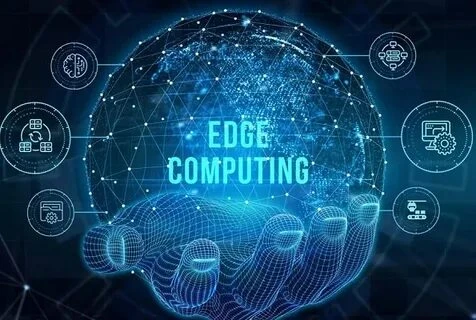

Digital systems create huge amounts of data every second. Phones send data. Smart cameras send data. Machines in factories send data. Modern IT systems must process this information very fast. Slow processing creates delays and problems for users. This demand for speed compels companies to embrace edge computing.
Industry reports show that 75% of enterprise data will be processed outside traditional data centers by 2025.
This shift shows how strongly organizations depend on faster data processing. Businesses now want systems that respond in real time. They also want secure and reliable operations.
Edge computing helps solve these needs. It processes data near the device that creates it. This approach reduces delay and improves system performance.
This technology is now employed in numerous industries. It is relied upon daily by healthcare, retail, transportation, and smart cities.
The following sections explain six important reasons why edge computing grows rapidly in modern IT systems.
1. Faster Data Processing Improves System Speed
Speed is a significant aspect of the contemporary IT setting. Conventional cloud systems transfer data to remote data centers. This process takes time. This problem is solved by edge-based computing.
Edge computing processes data close to the device, reducing travel distance for information. The system responds faster. Real-time applications work smoothly. For example, smart traffic systems analyze road data instantly. Cameras detect traffic flow. Edge servers process the information quickly. Traffic lights adjust without delay.
Why Speed Matters in Modern Applications
Fast processing helps many technologies work better. It supports all these systems. Faster speed improves user experience and system reliability.
2. Reduced Network Load Improves System Efficiency
Modern organizations send huge volumes of data across networks. This traffic can overload bandwidth. Cloud-based processing increases this pressure.
Edge technology reduces this problem. Local edge devices process data first. Only important data travels to central servers. This method reduces network congestion. Less data movement improves system efficiency. IT teams manage networks more easily. Applications also run more smoothly.
Smart Data Filtering at the Edge
Edge devices filter data before sending it to the cloud. They analyze raw information and keep only useful insights. This approach helps companies manage large-scale digital systems effectively.
Benefits of data filtering include
- Lower bandwidth usage.
- Faster response times.
- Reduced cloud storage needs.
- Better network stability.
3. Real-Time Decision Making Supports Smart Systems
Modern technologies rely on real-time decisions. Many systems cannot wait for distant servers to process information. Delays may create serious problems.
Edge computing supports immediate decision-making, where local edge servers analyze information instantly. The system then reacts quickly. Smart factories show a clear example. Machines send performance data continuously. Edge systems detect faults early. Maintenance teams receive alerts before major failures occur.
Real Time Analytics Drives Modern Innovation
Real-time analytics transform how organizations operate. Quick insights help businesses act faster. Edge computing powers these systems by delivering instant analysis and action.
Key areas that benefit include
- Industrial automation
- Smart transportation systems.
- Security monitoring systems.
- Energy management platform.
4. Improved Security Protects Sensitive Data
Data security remains a major concern for businesses. Cyber threats increase every year. Companies must protect sensitive information.
Edge technology strengthens security by keeping data closer to its source. Systems process information locally. This approach reduces exposure during data transmission. Shorter data travel paths lower the chances of interception. Edge systems also allow faster detection of suspicious activity.
Local Processing Strengthens Data Protection
Security improves when organizations process data locally.
Important security advantages include
- Reduced data transfer risks.
- Faster threat detection.
- Greater security of sensitive information.
- Better adherence to data laws.
5. Better Support for Internet of Things Devices
IoT is continuously increasing in industries. Now, there are billions of connected devices worldwide. Continuous data streams are generated by cameras, sensors, and smart machines. Standard cloud systems cannot process such large volumes within a short period of time. This is addressed through edge computing.
IoT data are processed by local edge nodes. This is a technique that enhances the stability and performance of connected devices. This capability is required in smart homes, smart cities, and industrial systems.
Important benefits include
- Faster device communication.
- Reduced network congestion.
- Reliable device performance.
- Efficient large-scale system management.
6. Reliable Performance Even With Weak Connectivity
There are numerous places where the internet is not stable. Remote factories, country hospitals, and transport systems tend to have connectivity problems. Systems that rely on clouds can fail when there are disruptions in the network.
The solution is edge technology. Local edge servers keep on processing data even when the internet is not available. This feature guarantees the stability of the system. Business is carried on as usual.
Industries that rely on constant system availability benefit greatly from edge. Local processing ensures that essential operations continue without delays.
Examples include
- Manufacturing plants
- Healthcare monitoring systems
- Oil and gas facilities
- Smart transportation networks
Conclusion
The current IT systems require speed reliability and security. Organizations have to handle large volumes of data in a second. These increasing demands cannot be effectively managed using traditional cloud models. Edge computing is an effective solution. It handles information near the source.
This will enhance speed and minimize network load. It also allows making decisions in real time and enhancing security. The technology also facilitates the fast proliferation of the IoT devices. Simultaneously, it guarantees a stable system operation in the regions with poor connectivity.
With more data and the growth of smart technologies, edge technology will become even more prominent in the contemporary IT infrastructure. Companies that embrace this technology today will create quicker smarter and more trustworthy digital spaces tomorrow.






















Sign in to leave a comment.