


Modern businesses invest heavily in technology, office design, and employee wellbeing to create productive workplaces. Yet one factor that is often overlooked is indoor air quality. Employees spend nearly their entire workday inside office buildings, making the quality of the air they breathe an important part of their daily working environment.
Poor indoor air quality does not always produce obvious warning signs. An office may appear clean and well-maintained while airborne dust, inadequate ventilation, elevated carbon dioxide levels, or excess humidity quietly affect employee comfort. Over time, these conditions can influence concentration, workplace satisfaction, and overall productivity.
The Workplace Environment Matters
Office productivity depends on more than comfortable furniture and reliable technology. Ventilation, temperature, humidity, and air circulation all contribute to how employees feel throughout the day.
When indoor air becomes stale or poorly ventilated, employees may begin experiencing discomfort without immediately recognising the cause. Complaints such as tiredness, difficulty concentrating, headaches, or a feeling of stuffiness are often linked to the indoor environment rather than workload alone.
Creating a healthier workplace starts with understanding how the building itself affects the people working inside it.
Common Causes of Poor Indoor Air Quality
Several factors can reduce indoor air quality in office buildings, including:
- Insufficient fresh air ventilation
- Dust accumulation within HVAC systems
- Dirty air ducts
- High carbon dioxide (CO₂) levels
- Excess indoor humidity
- Volatile Organic Compounds (VOCs) from office materials
- Poor maintenance of ventilation equipment
These issues often develop gradually, making routine monitoring an important part of facility management.
How Air Quality Influences Productivity
Employees perform best when they work in comfortable indoor environments. Poor air quality can make offices feel warm, stuffy, or uncomfortable, reducing the ability to remain focused for extended periods.
When ventilation systems operate efficiently and indoor conditions remain stable, employees generally experience a more comfortable workspace. Better airflow and cleaner indoor environments can support concentration, reduce workplace complaints, and contribute to a more positive office experience.
While productivity depends on many factors, maintaining healthy indoor conditions is an important element that should not be overlooked.
The Role of HVAC Systems
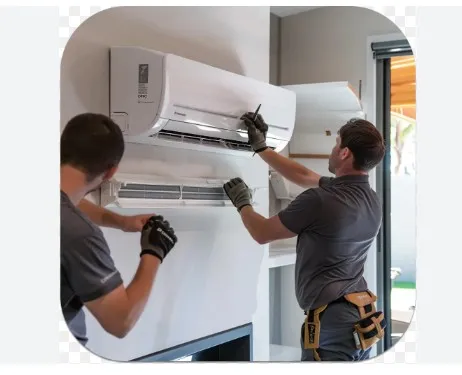
HVAC systems are responsible for circulating conditioned air throughout office buildings. If these systems are not maintained properly, dust and other contaminants may accumulate inside air ducts, filters, cooling coils, and air handling units.
Routine HVAC inspection and preventive maintenance help maintain efficient airflow while supporting healthier indoor environments. Regular servicing also improves system performance and may reduce unnecessary energy consumption.
Why Indoor Air Quality Testing Is Important
Indoor air quality cannot be judged simply by appearance. Professional testing provides measurable information about environmental conditions within occupied spaces.
Typical assessments may include:
- Carbon dioxide (CO₂)
- Carbon monoxide (CO)
- Temperature
- Relative humidity
- Air movement
- Particulate matter
- Volatile Organic Compounds (VOCs)
This information helps facility managers identify issues and implement improvements based on actual building conditions rather than assumptions.
Building a Healthier Workplace
Improving indoor air quality is not about making one-time changes. It requires an ongoing approach that combines regular HVAC maintenance, ventilation assessments, air quality monitoring, and preventive maintenance.
Organisations that prioritise indoor environmental quality are better positioned to provide workplaces that support employee comfort, operational efficiency, and long-term building performance.
Final Thoughts
Employee productivity is influenced by many workplace factors, and indoor air quality is one that deserves greater attention. Clean, well-maintained ventilation systems and regular air quality assessments help create office environments where employees can work more comfortably and efficiently.
For businesses looking to improve workplace environments, partnering with experienced indoor air quality specialists can provide valuable insight into building performance and practical recommendations for long-term improvements. Companies such as IAQMY Malaysia support organisations through professional Indoor Air Quality (IAQ) assessments, HVAC hygiene services, air duct inspections, and environmental monitoring to help maintain healthier commercial workplaces.
























Sign in to leave a comment.