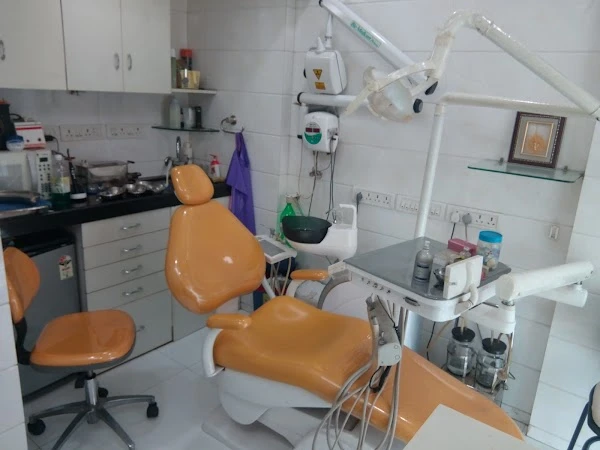

Oral health problems often begin quietly, without causing immediate pain or discomfort. Many people ignore the early warning signs, assuming they are minor issues that will resolve on their own. However, these small symptoms can develop into serious dental conditions if left untreated. That is why paying attention to changes in your mouth is essential. Visiting a Dentist In Chinchwad at the right time can help detect problems early and prevent complications. Recognizing these early signs can save you from discomfort, costly treatments, and long-term damage.
Understanding your body’s signals is the first step toward maintaining a healthy and confident smile.
Persistent Toothache or Sensitivity
One of the most common signs that something is wrong is a persistent toothache or sensitivity to hot and cold foods. While occasional sensitivity may not be alarming, ongoing discomfort often indicates underlying issues such as cavities, enamel erosion, or infection.
Ignoring this symptom can lead to more severe problems, including the need for advanced procedures. Seeking timely care at a Dental Clinic In Chinchwad ensures that the cause is identified and treated effectively.
Bleeding or Swollen Gums
Healthy gums should not bleed during brushing or flossing. If you notice bleeding, swelling, or tenderness in your gums, it may be an early sign of gum disease.
Gingivitis, the initial stage of gum disease, can progress to more serious conditions if left untreated. Early intervention helps restore gum health and prevent tooth loss.
Consulting a Dentist In Chinchwad can help diagnose the condition and provide appropriate treatment.
Bad Breath That Won’t Go Away
Occasional bad breath is normal, especially after eating certain foods. However, persistent bad breath may indicate poor oral hygiene, gum disease, or infection.
Chronic bad breath can also be a sign of deeper dental issues that require professional attention. Visiting a Dental Clinic In Chinchwad helps identify the root cause and provides solutions to maintain fresh breath.
Loose or Shifting Teeth
Adult teeth should remain stable and firmly in place. If you notice any movement or shifting, it could be a sign of bone loss or gum disease.
This condition requires immediate attention, as it can lead to tooth loss if not addressed. Early diagnosis and treatment can help preserve your natural teeth and maintain oral health.
Pain While Chewing
Experiencing pain or discomfort while chewing is another sign that should not be ignored. This could indicate issues such as cavities, cracked teeth, or infections.
Pain during chewing affects your ability to eat comfortably and may worsen over time. Seeking help from a Dentist In Chinchwad ensures that the problem is treated before it becomes severe.
White Spots or Dark Patches on Teeth
Changes in the color or appearance of your teeth can signal early stages of decay. White spots may indicate enamel demineralization, while dark patches could suggest cavities.
These early signs are often reversible with timely treatment. Regular visits to a Dental Clinic In Chinchwad help detect and manage these issues effectively.
Dry Mouth
Saliva plays a crucial role in maintaining oral health by washing away food particles and neutralizing acids. A persistent dry mouth can increase the risk of cavities and gum disease.
Dry mouth may be caused by medications, dehydration, or underlying health conditions. Identifying the cause and managing it with professional guidance is essential.
Jaw Pain or Clicking Sounds
Pain in the jaw or clicking sounds while opening and closing your mouth may indicate temporomandibular joint (TMJ) disorders.
This condition can lead to discomfort, difficulty in chewing, and headaches. Early treatment helps prevent further complications and improves jaw function.
Mouth Sores That Don’t Heal
Occasional mouth sores are common, but if they persist for more than two weeks, it may be a cause for concern. Non-healing sores can indicate infections or other serious conditions.
It is important to have such symptoms evaluated by a professional to rule out underlying issues.
Difficulty in Eating or Speaking
If you experience difficulty in eating or speaking, it could be due to dental problems such as misaligned teeth, infections, or missing teeth.
In some cases, advanced treatments like Dental Implant Treatment In Chinchwad may be recommended to restore functionality and improve quality of life.
Addressing these issues early ensures better outcomes and prevents further complications.
Why Early Detection Matters
Early detection of dental problems is key to effective treatment and prevention. Small issues can often be resolved with simple procedures, while delayed treatment may require more complex and costly interventions.
Regular dental check-ups help identify potential problems before they become serious. This proactive approach ensures long-term oral health and reduces the risk of complications.
Visiting a Dental Clinic In Chinchwad regularly allows you to stay on top of your dental health and address issues promptly.
Building Healthy Dental Habits
Maintaining good oral hygiene is essential for preventing dental problems. Brushing twice a day, flossing regularly, and following a balanced diet contribute to healthy teeth and gums.
Regular dental visits complement these habits by providing professional cleaning and early diagnosis of potential issues.
Consulting a Dentist In Chinchwad ensures that you receive personalized advice and care tailored to your needs.
Frequently Asked Questions (FAQs)
1. How often should I visit a dentist?
It is recommended to visit a dentist every six months for regular check-ups and cleaning.
2. What should I do if my gums bleed while brushing?
Bleeding gums may indicate gum disease, and you should consult a dentist for evaluation and treatment.
3. Is bad breath always a dental issue?
Not always, but persistent bad breath often indicates underlying dental or oral health problems.
4. Can tooth sensitivity go away on its own?
Mild sensitivity may improve, but persistent sensitivity should be checked by a dentist.
5. When should I consider dental implants?
Dental implants are recommended when you have missing teeth and want a long-term solution to restore function and appearance.
Conclusion
Ignoring early signs of dental problems can lead to serious complications and affect your overall well-being. From persistent toothaches to gum issues and jaw pain, these symptoms should never be overlooked. Seeking timely care from a Dentist In Chinchwad can help detect and treat problems early, ensuring a healthy and confident smile. By paying attention to these warning signs and maintaining regular dental visits, you can protect your oral health and avoid unnecessary discomfort in the future.
Article Source - 10 Early Signs You Should Visit a Dentist (Don’t Ignore These!)




























Sign in to leave a comment.