
Electrical systems are rarely top of mind until something goes wrong. Flickering lights, tripping breakers, warm outlets, or unexplained power loss are often signs of deeper issues developing behind the walls. In 2025, with homes relying more on smart devices, EV chargers, upgraded appliances, and aging wiring, proactive maintenance is no longer optional.
Homeowners who regularly consult a qualified electrician in Duncan understand that small preventive steps can eliminate serious hazards, avoid emergency repairs, and keep electrical systems operating safely year-round. The following ten maintenance tips reflect what licensed electricians consistently recommend to reduce risk and improve reliability.
1. Schedule Regular Electrical Inspections
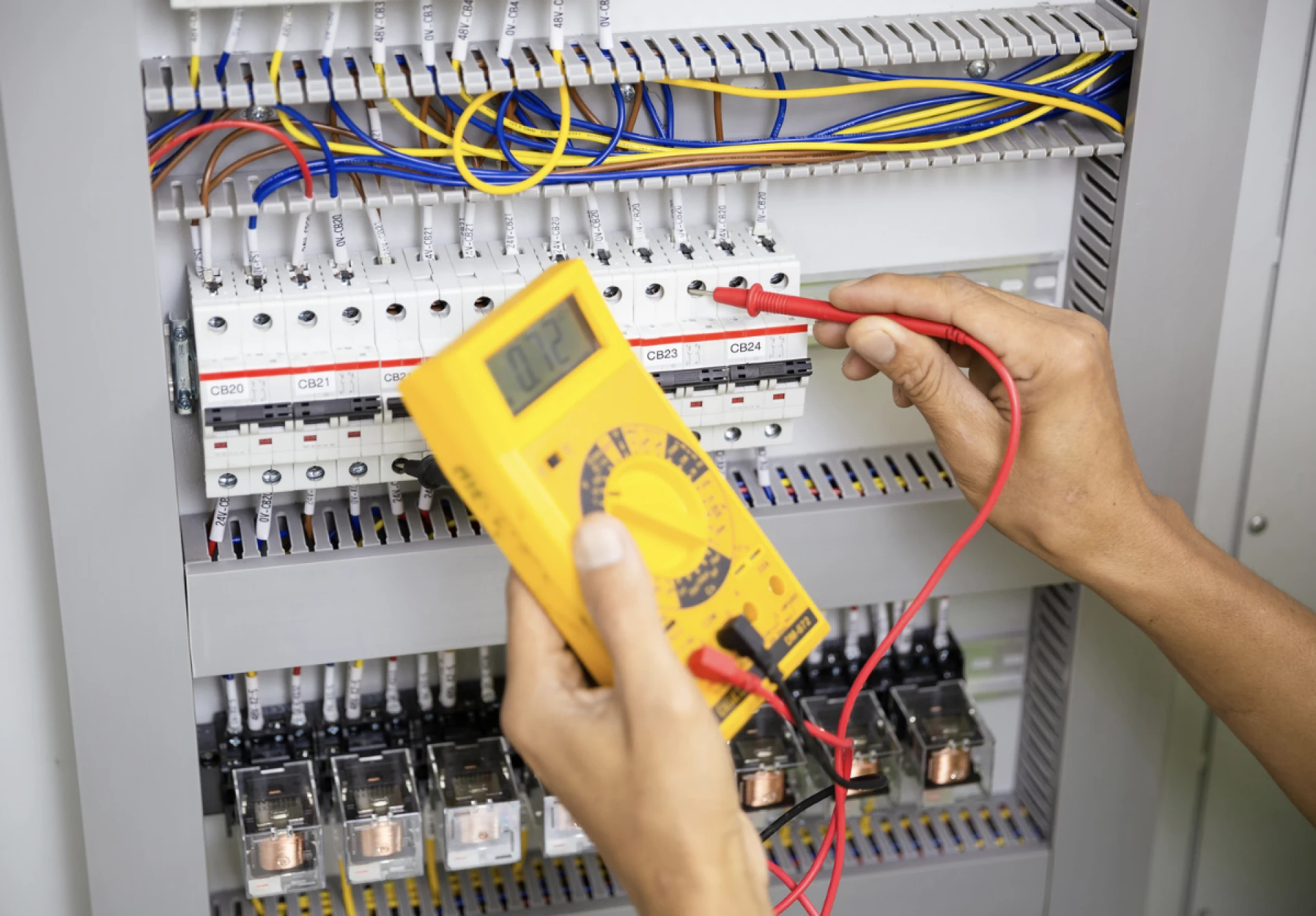
Electrical inspections remain one of the most effective ways to uncover hidden problems. Loose connections, aging wiring, overloaded circuits, and outdated panels often show no visible symptoms until failure occurs.
Routine inspections are especially important when:
- Buying or selling a home
- Adding major appliances
- Installing EV chargers
- Completing renovations
- Living in a home over 20 years old
Professional inspections identify risks early and help homeowners plan upgrades before damage occurs.
2. Replace Old or Loose Electrical Outlets
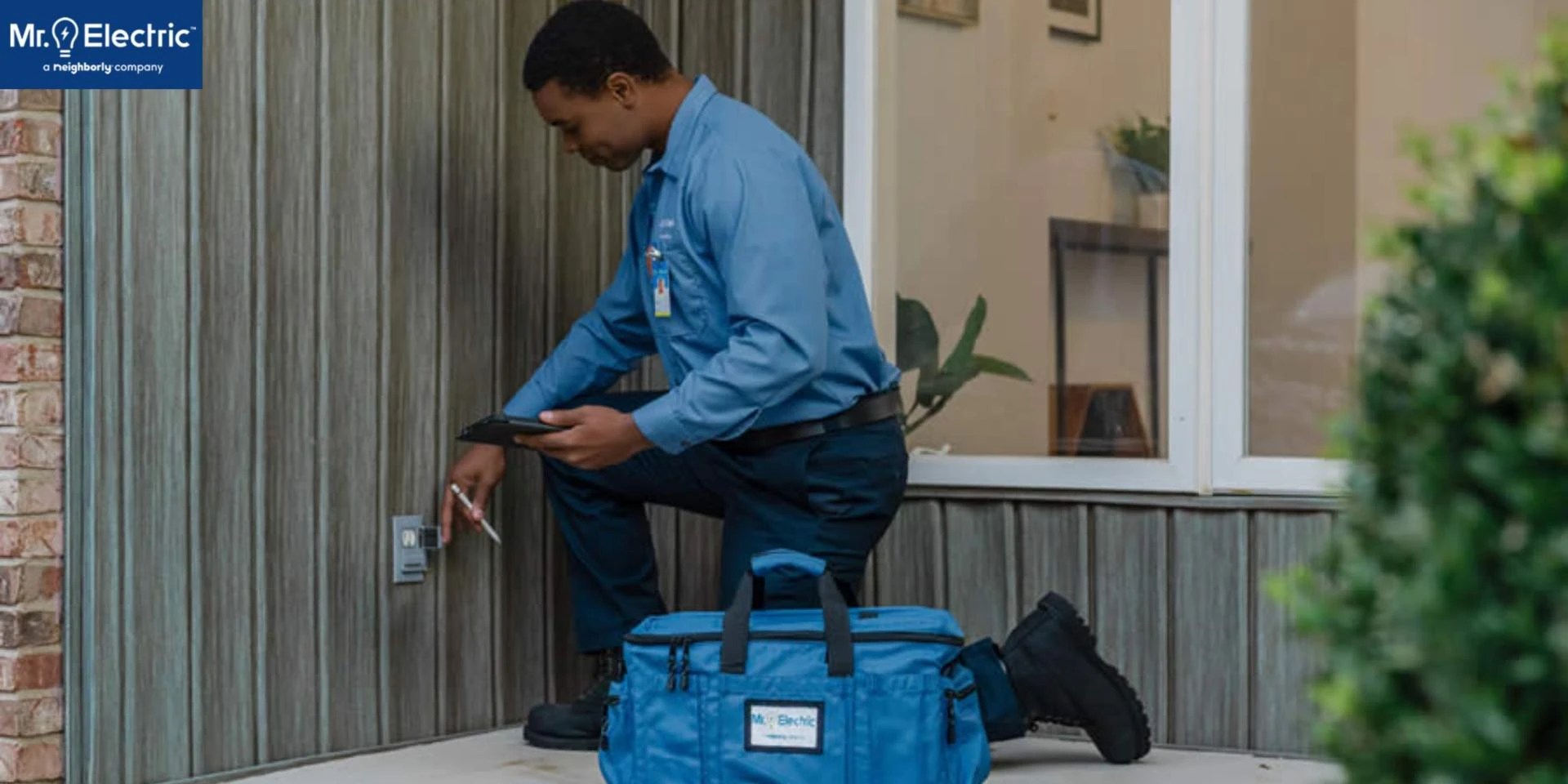
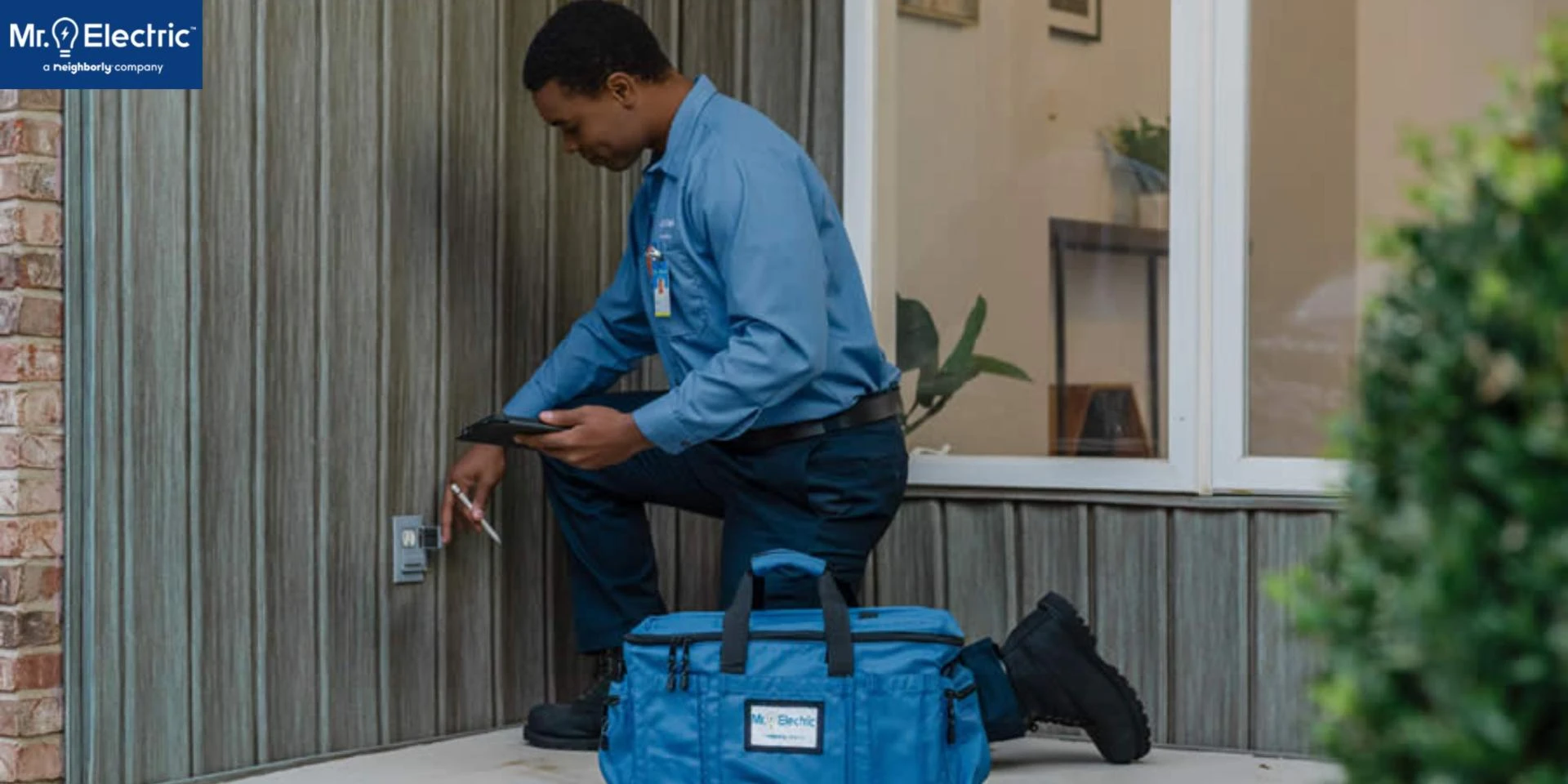
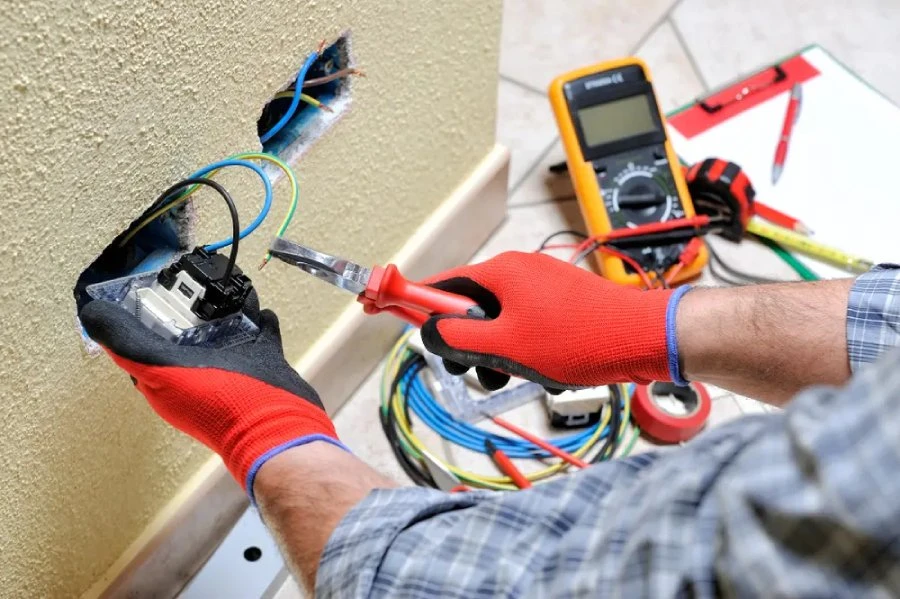
Old outlets wear out over time. Loose receptacles, cracked covers, discoloration, or warm surfaces indicate the need for immediate outlet replacement. Faulty outlets are one of the most common causes of electrical fires and shocks.
Modern outlets especially GFCI and AFCI types offer improved protection for kitchens, bathrooms, garages, and outdoor areas.
3. Address Flickering Lights Immediately
Flickering lights are not normal. While loose bulbs are sometimes the culprit, consistent flickering often points to:
- Wiring deterioration
- Loose connections
- Overloaded circuits
- Failing circuit breakers
Ignoring flickering lights allows problems to worsen silently. Early troubleshooting prevents system strain and costly repairs later.
4. Keep Circuit Breakers in Proper Working Condition
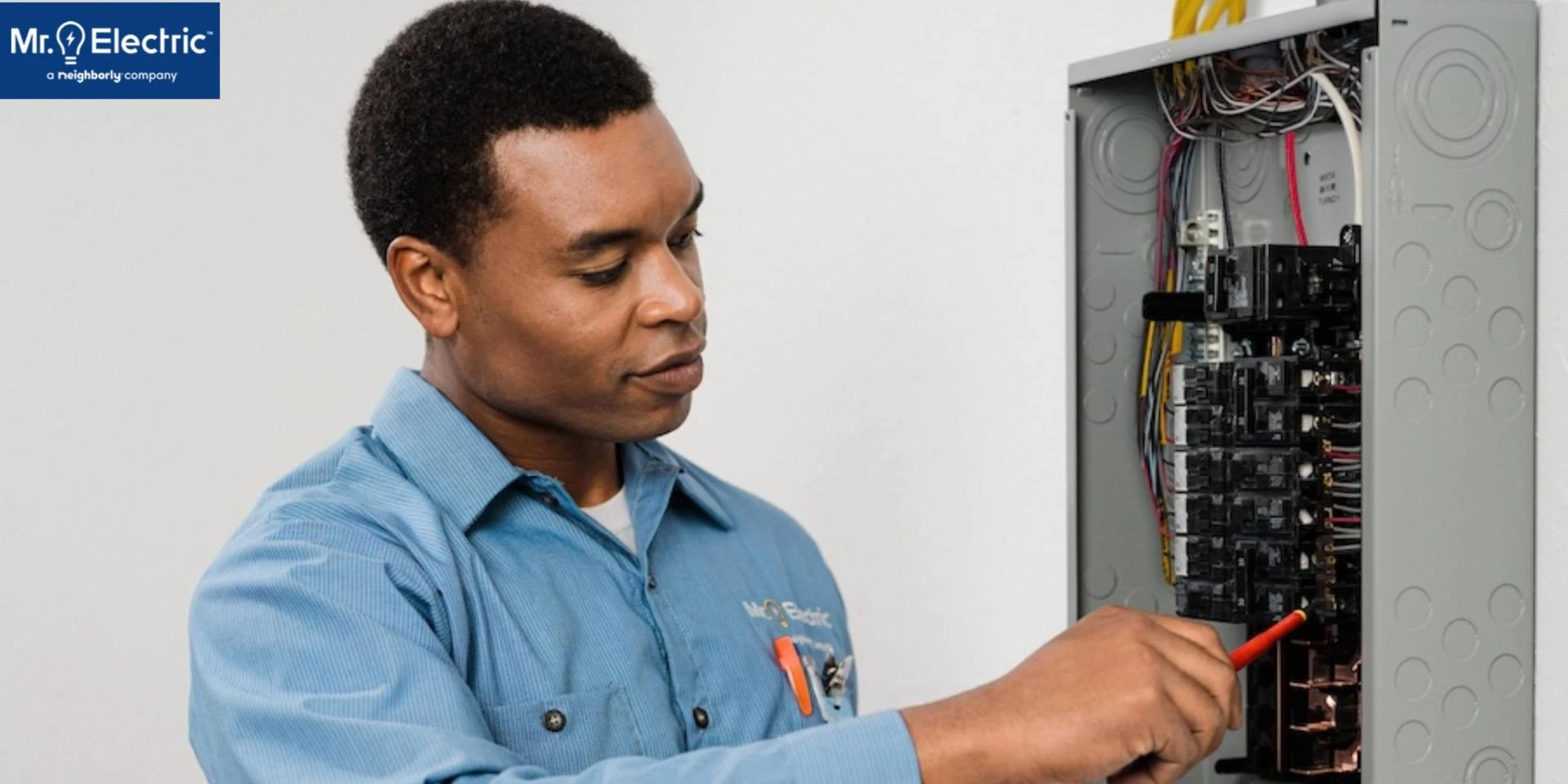
Circuit breakers are designed to protect wiring and appliances from overloads. When breakers trip repeatedly or feel warm to the touch, they may be failing.
Homes that add new appliances without upgrading breakers risk overheating and shutdowns. This is especially common after installing high-demand systems like HVAC units or EV chargers.
Proper testing and maintenance of Surge protection and circuit breakers helps prevent damage to devices and reduces fire risk.
5. Maintain Ceiling Fans and Lighting Fixtures
Ceiling fans improve energy efficiency, but loose mounting, worn wiring, or outdated motors can create safety hazards. Common warning signs include wobbling, buzzing sounds, or inconsistent speeds.
Annual checks ensure:
- Secure mounting
- Proper wiring connections
- Efficient operation
The same applies to chandeliers, recessed lights, and pendant fixtures that rely on stable electrical connections.
6. Test Smoke Detectors and Replace When Needed
Smoke detectors are often overlooked until they fail. Dead batteries, expired units, or faulty wiring compromise their effectiveness during emergencies.
Maintenance includes:
- Monthly testing
- Battery replacement
- Replacing detectors older than 10 years
- Checking hardwired connections
Smoke detector replacement is a simple step that significantly improves home safety.
7. Inspect Wiring for Signs of Deterioration
Electrical wiring problems develop slowly and often go unnoticed. Warning signs include:
- Burning smells
- Discolored outlets
- Buzzing sounds
- Frequent breaker trips
Older homes are particularly vulnerable. Annual inspections identify damaged insulation, outdated materials, and overloaded circuits before serious failure occurs.
8. Protect Smart Devices and Appliances from Power Surges
Modern homes rely heavily on smart doorbells, thermostats, security systems, and entertainment electronics. Power surges often caused by storms or utility fluctuations can destroy these devices instantly.
Whole-home surge protection combined with proper grounding protects:
- Smart home systems
- EV chargers
- TVs and computers
- HVAC controls
Surge damage is often invisible but costly, making prevention critical.
9. Maintain Outdoor and Motion Sensor Lighting
Outdoor lighting improves safety and security, but exposure to weather increases wear. Motion sensor lights, landscape lighting, and exterior outlets require periodic testing to ensure reliable operation.
Maintenance helps prevent:
- Water intrusion
- Faulty sensors
- Corrosion
- Tripping hazards
Well-maintained outdoor lighting systems also improve energy efficiency and nighttime visibility.
10. Prepare Backup Power Systems Before You Need Them
Generators are most useful when they’re ready before an outage occurs. Routine generator maintenance includes:
- Load testing
- Fuel system inspection
- Transfer switch evaluation
- Connection safety checks
Homeowners often wait until a storm hits to discover generator problems. Proactive testing ensures uninterrupted power when it matters most.
Preventive Maintenance Prevented a Major Electrical Failure
Location: Duncan, SC – 2025
A homeowner scheduled an annual maintenance visit after noticing occasional flickering lights and inconsistent EV charger performance. During the inspection, the electrician discovered:
- A deteriorating breaker connection
- Early wiring damage near the panel
- An improperly grounded surge protector
- A failing GFCI outlet in the garage
None of the issues had caused visible damage yet. If left unaddressed, the homeowner would likely have faced a panel failure and EV charger replacement totaling over $4,000.
Instead, targeted repairs during routine maintenance resolved the issues early saving money and preventing future outages.
Why Electrical Maintenance Matters More in 2025
Homes today carry heavier electrical loads than ever before. Smart devices, energy-efficient appliances, electric vehicles, and automation systems demand stable, safe power delivery.
Annual maintenance:
- Reduces emergency repair costs
- Extends equipment lifespan
- Improves energy efficiency
- Prevents electrical fires
- Keeps homes compliant with modern safety standards
Preventive care consistently proves more affordable than reactive repairs.
FAQs
1. How often should electrical maintenance be performed?
Once per year is recommended, especially for homes with EV chargers, smart systems, or older wiring.
2. Do newer homes still need maintenance?
Yes. Even new construction can develop loose connections, overloaded circuits, or surge vulnerabilities.
3. What are the most common electrical hazards in homes?
Faulty outlets, aging wiring, overloaded breakers, and inadequate surge protection.
4. Can maintenance help reduce energy bills?
Yes. Efficient wiring, properly functioning ceiling fans, and stable voltage improve overall energy performance.
5. Is electrical maintenance better than waiting for problems?
Absolutely. Maintenance identifies risks early, preventing emergencies, costly damage, and safety hazards.
Conclusion
Electrical maintenance is not just about preventing inconvenience it’s about protecting lives, property, and long-term investments. From aging wiring and faulty outlets to surge risks and overloaded circuit breakers, most electrical hazards develop quietly over time. By following consistent maintenance practices and scheduling routine professional evaluations, homeowners can avoid unexpected failures, costly repairs, and safety risks. In today’s power-dependent homes, proactive electrical care is the most effective way to ensure year-round safety, efficiency, and peace of mind before small issues turn into major electrical emergencies.



















Sign in to leave a comment.