

If you have been researching how much does it cost for braces in Australia, you are not alone. Orthodontic treatment is a significant investment for many Australian families, and the price can vary depending on treatment type, duration, and location. While braces are well worth it for long-term oral health and confidence, the upfront and ongoing costs can feel overwhelming. The good news is that there are practical ways to manage and reduce the financial pressure. From choosing the right payment plan to exploring health fund benefits, a bit of planning can make a big difference. In this guide, we break down the key cost factors and share 10 useful tips to help you manage braces expenses more confidently.
Understanding Braces Costs in Australia
Before diving into the tips, it helps to understand what influences pricing. When people ask how much does it cost for braces in Australia, the answer is not straightforward because several factors are involved.
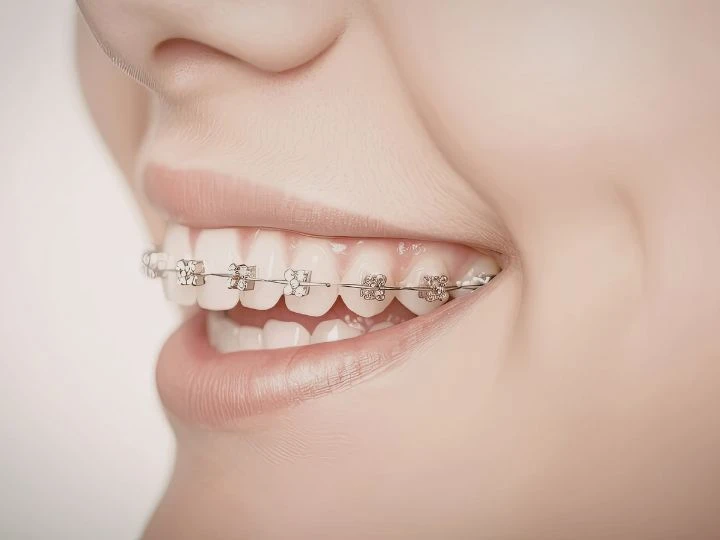
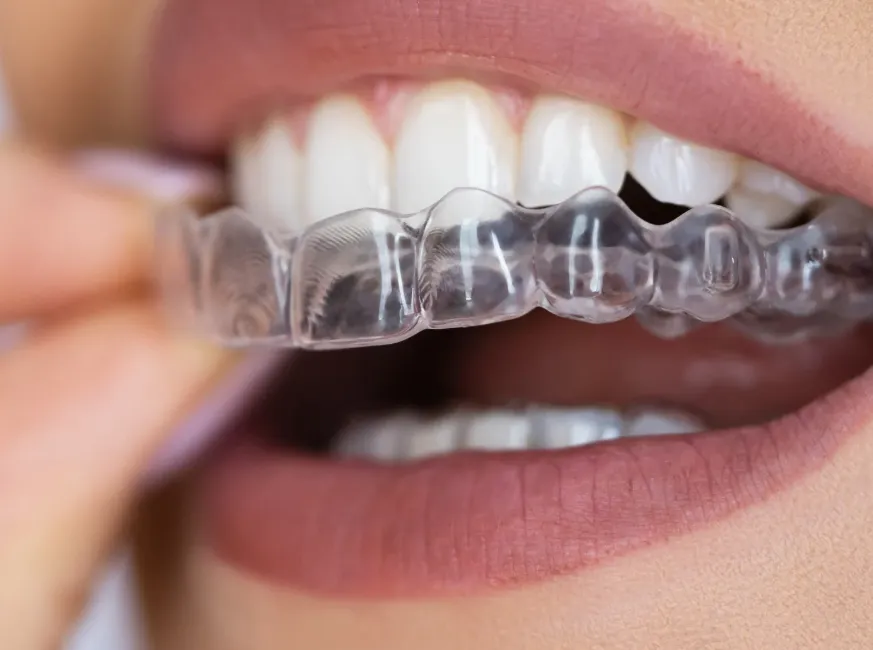
Typically, traditional metal braces in Australia can range from a few thousand dollars to over ten thousand, depending on complexity and treatment time. Clear aligners and ceramic braces may cost more due to the materials and technology used.
Common factors that affect cost include:
- Severity of tooth alignment issues
- Type of braces chosen
- Length of treatment
- Orthodontist experience and clinic location
- Follow-up appointments and adjustments
For example, clinics like St Clair Dental Clinic may offer tailored treatment plans based on individual needs, which can influence the overall cost.
10 Helpful Tips for Managing Braces Costs
1. Get multiple orthodontic consultations
Prices can vary significantly between providers, so it is worth visiting more than one clinic. This helps you compare treatment plans, payment structures, and overall value rather than just focusing on the lowest price.
2. Ask for a full cost breakdown upfront
Always request a detailed quote that includes:
- Initial consultation fees
- X-rays and scans
- Braces fitting
- Adjustment appointments
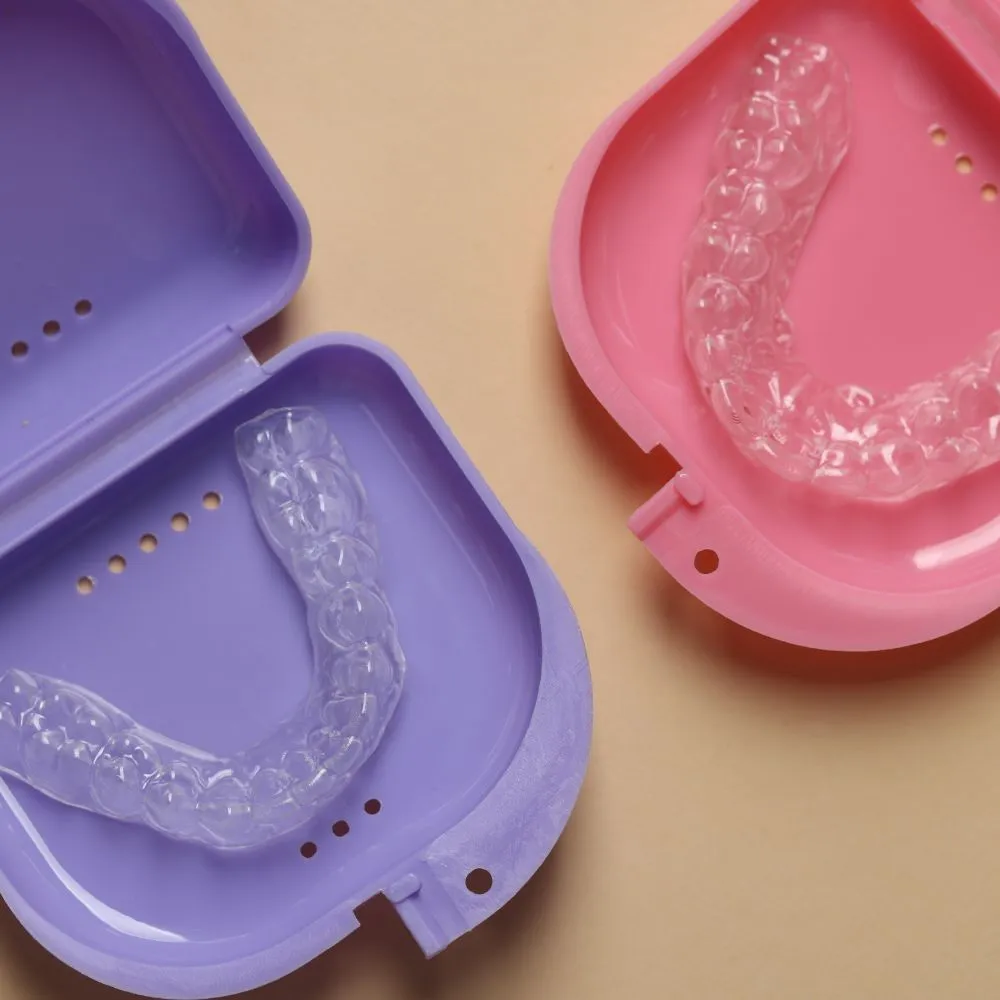
- Retainers after treatment
This avoids surprise costs later in the process.
3. Use private health insurance benefits
Many Australian health funds offer orthodontic cover under major dental extras. While it will not cover the full cost, it can significantly reduce out-of-pocket expenses. Check:
- Annual limits
- Waiting periods
- Lifetime orthodontic caps
4. Choose interest-free payment plans
Most orthodontic clinics now offer flexible payment options. Instead of paying up front, you can spread costs over monthly instalments. This makes treatment far more manageable for families and individuals on a budget.
5. Consider treatment timing carefully
If you are not in urgent need of braces, timing your treatment around insurance resets or financial planning cycles can help you maximise rebates and reduce strain on your budget.
6. Explore different types of braces
Traditional metal braces are usually the most affordable option. Ceramic braces and clear aligners offer aesthetic benefits but may cost more. Discuss with your orthodontist whether a simpler option could still achieve the desired outcome.
7. Look for bundled treatment packages
Some clinics offer all-inclusive packages that combine consultations, fittings, adjustments, and retainers. These bundles can sometimes be more cost-effective than paying for each stage separately.
8. Maintain excellent oral hygiene during treatment
Poor dental hygiene can lead to complications such as cavities or gum issues, which may result in extra dental visits and added costs. Regular cleaning helps avoid unexpected expenses and keeps treatment on track.
9. Ask about family or sibling discounts
If more than one family member needs orthodontic care, some clinics may offer reduced rates or special family packages. It never hurts to ask when discussing treatment options.
10. Plan for post-treatment costs
When budgeting for braces, do not forget retainers and follow-up appointments. These are essential to maintain results and are often overlooked when people first research how much does it cost for braces in Australia.
How to Budget for Braces Effectively
Once you understand the full cost, it becomes easier to plan ahead. Start by setting a realistic monthly budget based on your chosen payment plan. If you are using health insurance, factor in rebate timing so you can claim at the right moments.
It can also help to create a dedicated savings account for orthodontic treatment. Even small weekly contributions can add up over time and reduce reliance on credit or loans.
If you are comparing providers, including clinics such as St Clair Dental Clinic in your research can help you understand the range of pricing and services available in your area.
Final Thoughts
Braces are a long-term investment in both oral health and self-confidence, but the cost can feel daunting at first. By understanding how much does it cost for braces in Australia and exploring different payment strategies, you can make treatment far more affordable. The key is to plan ahead, ask the right questions, and take advantage of available financial options such as health insurance and payment plans. With the right approach, achieving a straighter smile does not have to put unnecessary strain on your finances.
























Sign in to leave a comment.