
What Makes Cold Pressed Oil… Different?
I remember the first time I saw oil being made locally. Not in a factory, not in some shiny setup… just a wooden press, slow movement, that earthy smell. It didn’t feel like “production.” More like patience, honestly.
Somewhere in the middle of learning about oils, I kept hearing the term fresh cold pressed oil. And for a while, I ignored it. Sounded like one of those labels people throw around to make things feel premium. But once you see the process up close, it kind of clicks.
Cold pressed oil isn’t rushed. That’s probably the simplest way to put it.
How Fresh Cold Pressed Oil Is Made (Step-by-Step)
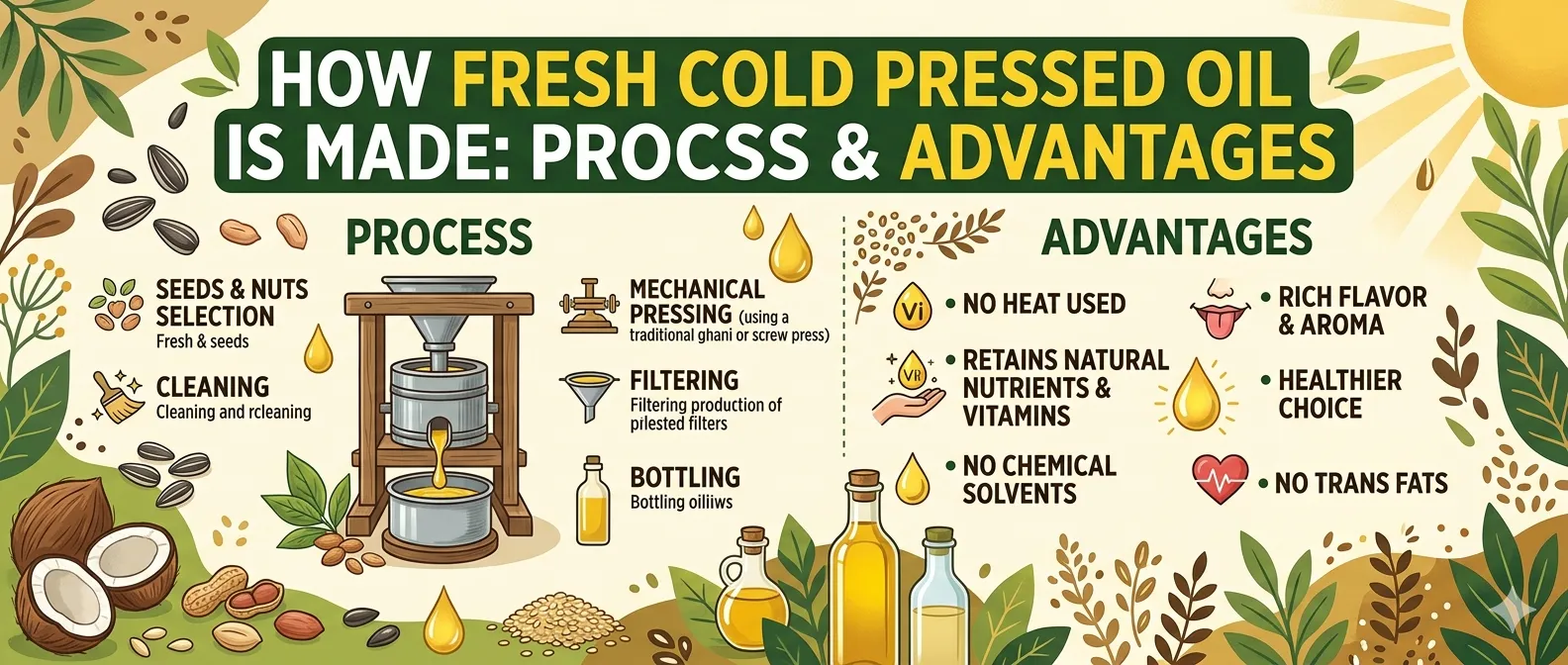
Seed Selection – It Starts Here
Before anything else, the seeds matter. A lot. Whether it’s groundnut, mustard, coconut, or sesame… quality seeds change everything.
Good producers don’t just grab whatever is available. They check for freshness, smell, even how the seeds feel in hand. Because once the oil extraction starts, there’s no hiding poor quality.
Cleaning & Drying
This part doesn’t get much attention, but it should. Seeds are cleaned to remove dust, stones, tiny bits of husk. You don’t want any of that in your oil.
Then comes drying. Not too much though. If seeds hold too much moisture, extraction gets messy. Too dry, and you don’t get enough oil. It’s a bit of a balancing act, and it feels more like experience than some strict rulebook.
The Pressing Process (The Core Step)
Now comes the real moment.
In cold pressing, seeds are crushed slowly using a wooden or metal press, often called a ghani. No external heat is added. That’s the whole idea behind it.
The temperature usually stays under 45°C. Sounds small, but it matters more than you’d think. Heat can strip away nutrients—vitamins, antioxidants, those subtle things your body quietly benefits from.
The pressing itself is slow. Like… really slow. You don’t get quick output here. It takes time, and yeah, that’s partly why cold pressed oils cost more.
But the oil that comes out feels different. Thicker, more aromatic, almost like it hasn’t been “handled” too much.
Natural Settling & Filtration
Once extracted, the oil isn’t rushed into bottles. It’s left to settle. Tiny particles sink down over time.
Some producers filter it using cloth, nothing too intense. No bleaching, no chemical refining, no deodorizing.
And that’s it. That’s your oil.
It might look slightly cloudy. Maybe a bit darker than what you see on supermarket shelves. But that’s kind of the point.
Why Fresh Cold Pressed Oil Feels Different
Nutrients Stay Intact
Since there’s no high heat involved, most nutrients stay in the oil. Vitamin E, antioxidants, essential fatty acids… they remain where they should be.
Refined oils go through heavy processing. They look cleaner, sure. But they lose quite a bit along the way.
Natural Flavor (You Can Actually Taste It)
Ever noticed how some oils just don’t taste like anything?
Cold pressed oils are the opposite. Mustard oil has that sharp kick. Groundnut oil feels nutty and warm. Coconut oil smells like actual coconut—not a faint version of it.
Cooking changes when you use these oils. Sometimes in small ways, but noticeable.
No Chemicals, No Shortcuts
This part matters more than people talk about.
Refined oils often involve solvents like hexane to extract oil faster. Then there’s bleaching and deodorizing. A lot happens behind the scenes.
Cold pressed oil skips all that. What you get is closer to what came out of the seed.
Health Benefits of Cold Pressed Oil
Better for Heart Health
Cold pressed oils usually contain good fats—like monounsaturated and polyunsaturated fats. These are linked to better cholesterol balance.
Groundnut oil, sesame oil, mustard oil… they’ve been part of Indian kitchens for generations. Not as a trend, just everyday cooking.
Supports Digestion
Some people notice lighter digestion after switching to cold pressed oils. Maybe it’s the lack of heavy processing. Maybe the body just recognizes something more natural.
Hard to explain exactly, but it shows up in small ways over time.
Rich in Antioxidants
Antioxidants help deal with oxidative stress in the body. Cold pressing helps keep these intact.
Refined oils tend to lose a lot of these during processing.
Cold Pressed Oil vs Refined Oil (Quick Reality Check)
Refined oils look clear, consistent, almost identical every time. That’s done intentionally.
Cold pressed oils can vary. Slight changes in color, smell, even taste from one batch to another.
Some people see that as a downside. Others see it as something more real.
Also, refined oils usually last longer on shelves. Cold pressed oils need a bit more care—tight lids, away from sunlight. Small things, but they matter.
Common Types of Fresh Cold Pressed Oils
Groundnut Oil
Mild taste, works well for cooking. Even frying, surprisingly.
Mustard Oil
Strong, sharp flavor. Not everyone likes it immediately. But once you do… it sticks with you.
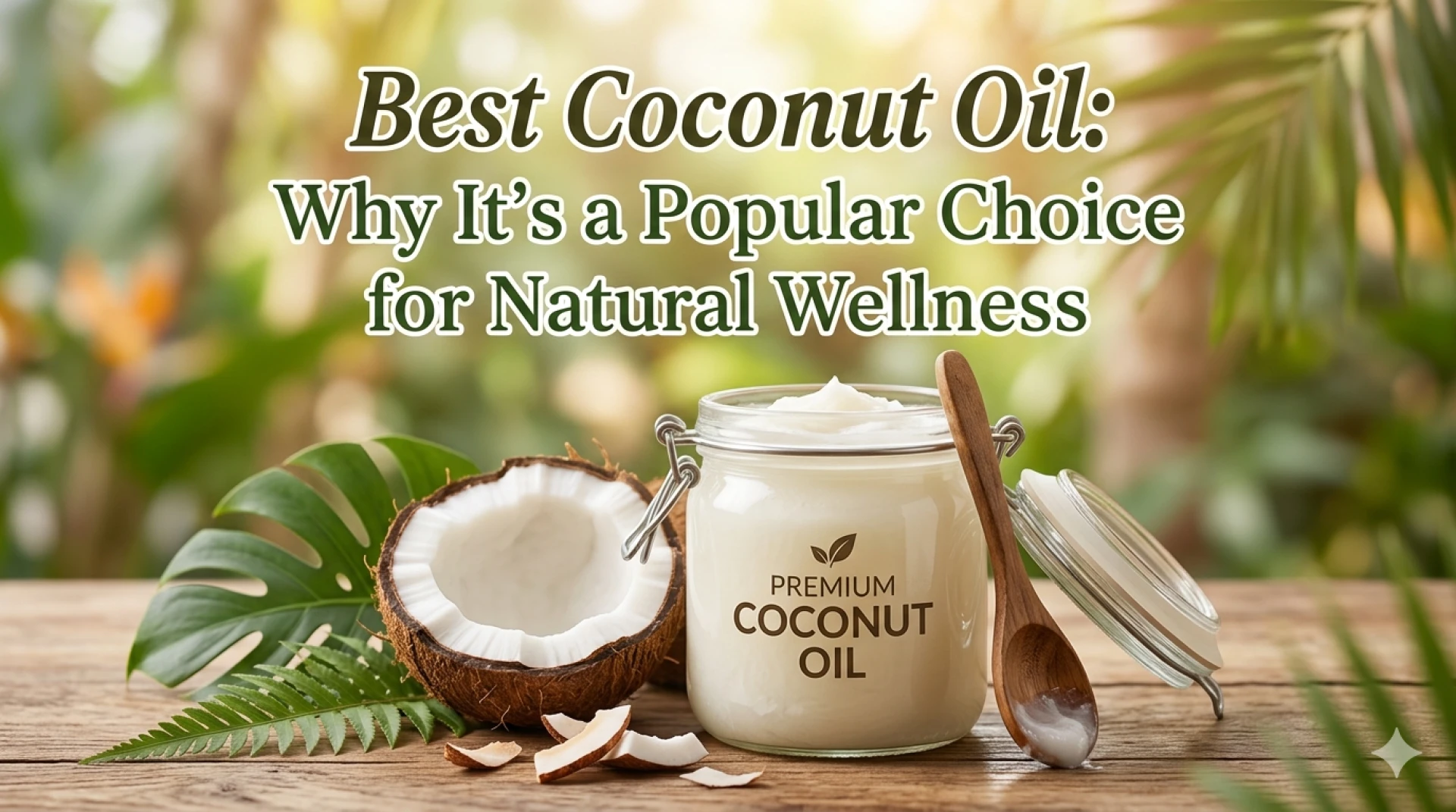
Coconut Oil
Common in South India. Used in cooking, sometimes even for hair care.
Sesame Oil
Deep, rich flavor. Often used in traditional dishes and even for home remedies.
A Few Small Things People Don’t Always Talk About
Cold pressed oil isn’t some miracle fix. It won’t suddenly change everything overnight.
And yeah, not every product labeled “cold pressed” is honest. Some brands mix refined oil in. Reading labels helps. Asking around helps more.
Also, switching oils can feel a bit different at first. Taste, smell, even cooking behavior. Takes a little getting used to.
So… Is It Worth It?
Depends on what you care about.
If you want something cheap and neutral, refined oils do their job.
If you care about flavor, minimal processing, and keeping things closer to natural… fresh cold pressed oil feels like a better fit.
It’s slower. Costs a bit more. Feels a bit old-school, honestly.
But once you notice that real aroma when oil hits a hot pan… yeah, it’s kind of hard to ignore after that.






























Sign in to leave a comment.