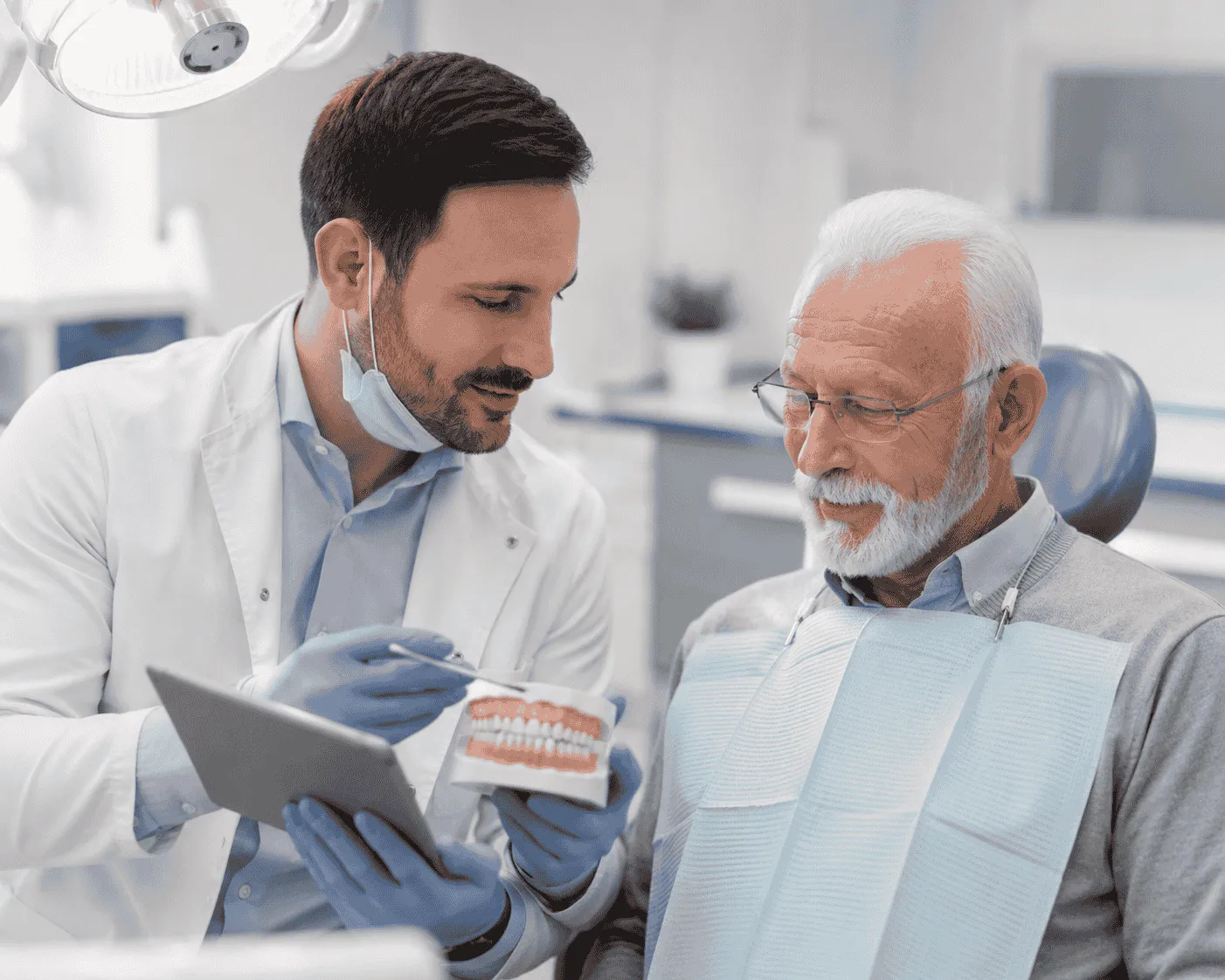
In the landscape of modern medicine, we often treat the body as a collection of separate systems, but 2026 has brought a vital realization to the forefront of geriatric care: the mouth is the gateway to the body. For the aging population, this gateway can either be a guardian of health or a portal for life-threatening illness. The most pressing concern today is Oral Systemic Health, a concept that illustrates how infections in the oral cavity can migrate to vital organs. Among these, the most dangerous and "silent" connection is the one between the mouth and the respiratory system.
The Scientific Reality of the Mouth-Lung Connection
When we discuss the Mouth Lung Connection, we are addressing a biological pathway that is frequently overlooked in standard nursing home care. Aspiration pneumonia—a condition where foreign substances, primarily bacteria-laden saliva, enter the lungs—remains a top reason for hospital readmissions among the elderly. This isn't just a matter of "bad breath" or yellowing teeth; it is a clinical crisis where the mouth serves as a reservoir for virulent respiratory pathogens. Understanding this connection is the first step in shifting the paradigm of senior care from reactive treatment to proactive prevention.
Biofilm: The Invisible Breeding Ground for Infection
The biological mechanism behind this threat begins with the development of oral biofilm. As we age, our immune systems become less efficient, and our oral environments change. Many seniors suffer from xerostomia, or dry mouth, often as a side effect of multiple medications. Without the natural cleansing power of saliva, harmful bacteria flourish, creating a dense, toxic biofilm on teeth, gums, and the tongue. When a senior has dysphagia, or difficulty swallowing—a common symptom of stroke, Parkinson’s, or dementia—they accidentally "micro-aspirate" this toxic sludge into their lungs, leading directly to a diagnosis of pneumonia.
Redefining Geriatric Dental Care Standards
Implementing high-level Geriatric Dental Care is no longer an optional luxury; it is a life-saving necessity. Traditional tooth brushing is often insufficient for seniors with complex needs. It requires a specialized approach that manages the entire oral ecosystem. This includes the mechanical removal of biofilm from hard-to-reach areas and the disinfection of the tongue, which acts as a primary staging ground for the bacteria that cause pneumonia. By focusing on these specific areas, caregivers can drastically reduce the bacterial "load" that a senior might potentially inhale.
The Critical Need for Aspiration Risk Prevention Training
A major hurdle in modern healthcare is the lack of specialized education for those on the front lines. Most nurses and certified nursing assistants (CNAs) receive very little formal training in advanced oral care. This is where Aspiration Risk Prevention strategies become essential. Professionals who pursue specialized training, such as the Geriatric Oral Care Certification, learn how to identify the early warning signs of oral decay and how to implement protocols that specifically target respiratory safety. This certification bridges the gap between general nursing and specialized dental hygiene, creating a new standard of life-saving care.
Identifying the Silent Symptoms of Oral Decline
Furthermore, we must address the "silent" nature of this threat. Unlike a fall or a visible wound, oral infection often goes unnoticed because many seniors, particularly those with cognitive decline, cannot articulate pain or discomfort. A senior might stop eating or become lethargic, and the care team might assume it is "just old age," when in reality, they are fighting a massive bacterial infection in their mouth that is slowly migrating to their chest. Vigilance and regular, professional-grade oral screenings are the only way to catch these issues before they escalate into an emergency room visit.
The Economic Impact of Poor Oral Hygiene in Facilities
The economic impact of ignoring Oral Systemic Health is also staggering. Aspiration pneumonia leads to long hospital stays, expensive antibiotic treatments, and a significant decline in the patient’s overall quality of life. For long-term care facilities, the cost of specialized oral care equipment and training is a fraction of the cost associated with one single pneumonia-related hospitalization. By investing in the oral health of residents, facilities can improve their quality-of-care ratings and, more importantly, keep their residents healthier and more comfortable for longer periods.
Restoring Dignity Through Oral Health
Beyond the clinical and economic data, there is a profound moral component to this issue. Dignity in aging includes the ability to eat, speak, and smile without pain. When we neglect the oral health of seniors, we strip away their ability to socialize and nourish themselves. A healthy mouth allows a senior to maintain a proper diet, which in turn fuels their immune system to fight off other infections. It is a virtuous cycle that starts with a simple, yet highly skilled, oral care routine performed by a trained professional.
Medical-Dental Integration: The Future of Geriatrics
Looking forward, the integration of dental professionals into the primary medical team is the future of geriatrics. We are seeing a move toward "medical-dental integration" where a dentist or a certified oral care specialist is just as vital to the care plan as a cardiologist or a physical therapist. This holistic approach recognizes that you cannot have a healthy body without a healthy mouth. The Mouth Lung Connection is the most undeniable proof of this fact, and as our global population continues to age, the demand for this specialized knowledge will only grow.
A Call to Action for Caregivers and Professionals
In conclusion, the fight against aspiration pneumonia starts at the sink, with a toothbrush and a trained eye. By prioritizing Geriatric Dental Care and understanding the complexities of Oral Systemic Health, we can silence the threat that has claimed too many lives. Every senior deserves a care plan that protects their lungs by protecting their mouth. It is time for healthcare providers to embrace these advanced protocols and for families to demand a higher standard of oral care for their loved ones. A clean mouth is not just a sign of good hygiene; it is a vital shield against one of the most dangerous illnesses facing our seniors today.































Sign in to leave a comment.