
Femoral fractures are among the most serious orthopedic injuries, often requiring precise surgical intervention to restore alignment and function. Intramedullary femur nailing has become a widely adopted technique due to its minimally invasive approach and ability to provide stable internal fixation. While the procedure is highly effective in supporting fracture healing, outcomes can vary based on multiple clinical and technical factors. Understanding the procedure and its potential challenges is essential for improving surgical success. A well-planned approach that considers patient condition, surgical accuracy, and implant quality plays a key role in reducing risks and supporting optimal recovery in femoral fracture management.
What are Femur Nails?
Femur nails, also known as intramedullary nails, are metal rods inserted into the central canal of the femur to stabilize fractures and support proper bone healing. Designed to act as an internal splint, the implant helps maintain alignment while allowing controlled weight bearing during recovery. These implants are commonly used in the treatment of complex, displaced, or unstable femoral fractures where external fixation may not provide adequate stability.
Why Femur Nailing is Widely Preferred
Femur nailing is a commonly adopted technique in orthopedic trauma care because it supports effective fracture management while enabling faster recovery compared to more extensive fixation methods. Its ability to combine stability with a minimally invasive approach makes it a preferred option in appropriate clinical cases. Several factors contribute to its preference in clinical practice, including:
- Minimally Invasive Procedure: Requires smaller incisions, resulting in reduced soft tissue disruption and faster initial recovery.
- Strong Biomechanical Stability: The nail is placed within the bone’s central canal, allowing efficient load sharing along the femur’s natural axis.
- Early Mobilization: Stable fixation often enables patients to begin controlled movement sooner, supporting rehabilitation.
- Versatility in Fracture Management: Applicable across a range of femoral fracture types, including complex and unstable patterns.
- Predictable Alignment Outcomes: Helps maintain proper bone positioning when surgical technique and implant selection are appropriate.
Common Complications Associated with Femur Nails
While femur nailing is an effective technique for stabilizing femoral fractures, certain complications may still occur depending on surgical factors, patient condition, and fracture complexity. Recognizing these potential issues is important for improving outcomes and guiding preventive strategies. Common complications include:
Infection
Infection can occur at the surgical site and may range from a superficial wound infection to deeper involvement of bone in more severe cases. It typically depends on surgical conditions, patient immunity, and post-operative care.
Malalignment
Malalignment refers to improper bone positioning after fixation. It can result from inaccurate reduction or suboptimal implant placement, potentially leading to angular or rotational deformities that affect limb function.
Delayed Union or Non-Union
In some cases, the fracture may take longer than expected to heal or fail to unite completely. This is often influenced by biological factors such as poor blood supply or mechanical instability at the fracture site.
Implant-Related Issues
Complications such as nail breakage, loosening, or irritation from prominent hardware may occur. These are usually associated with mechanical stress, implant positioning, or load distribution.
Anterior Knee Pain
Anterior knee pain is a commonly reported complaint following femur nailing. It is often linked to the nail entry point or irritation of surrounding soft tissues.
Fat Embolism (Rare)
Fat embolism is a rare but serious complication that may occur when marrow fat enters the bloodstream during or after surgery, potentially affecting respiratory and systemic function.
Neurovascular Injury (Uncommon)
Neurovascular injury is uncommon and may result from intraoperative trauma or improper instrument handling, potentially affecting nearby nerves or blood vessels.
Key Factors That Contribute to Complications
Complications following femur nailing rarely arise from a single cause. Instead, they are usually influenced by a combination of surgical, patient-related, and implant-specific factors. Understanding these elements is essential for reducing risk and improving overall outcomes.
- Surgical Technique and Precision: Inaccurate entry point selection, improper reduction, or suboptimal nail placement can affect alignment and healing stability.
- Fracture Pattern and Severity: Highly comminuted or unstable fractures often present greater challenges in achieving and maintaining proper fixation.
- Patient Health and Bone Quality: Conditions such as osteoporosis, diabetes, or poor nutritional status can delay healing or increase complication risk.
- Post-Operative Care and Rehabilitation: Inadequate rehabilitation or non-compliance with weight-bearing guidelines may impact recovery.
- Implant Design and Material Quality: The mechanical strength, anatomical fit, and surface properties of the nail play a significant role in fixation stability and biological response.
Strategies to Prevent Complications
Reducing complications in femur nailing depends on a well-coordinated approach that begins before surgery and continues through recovery. Careful planning, precise execution, and structured follow-up all play a key role in improving patient outcomes.
Preoperative Planning and Imaging
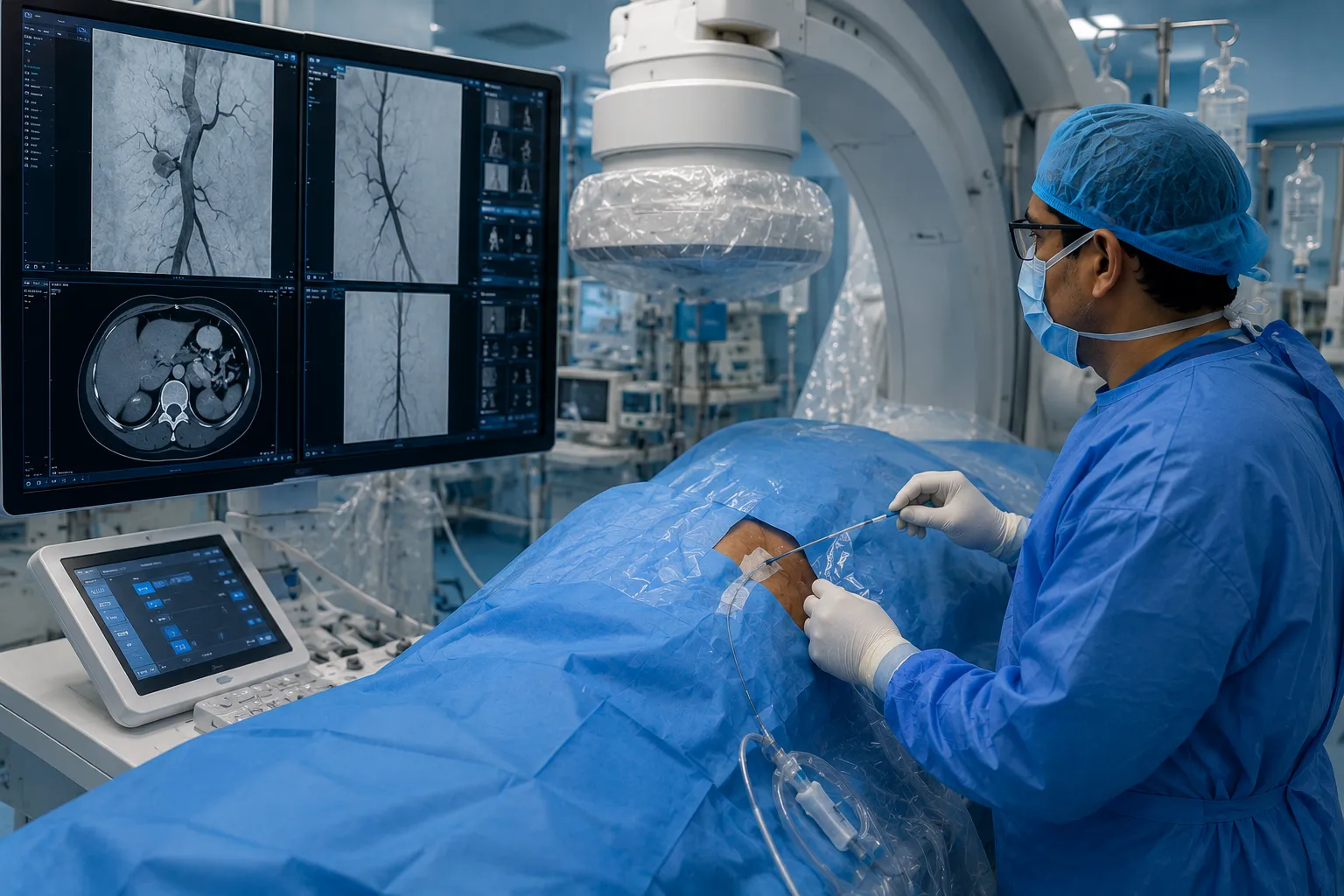
Careful preoperative assessment using appropriate imaging techniques helps define fracture characteristics, alignment, and complexity. This enables accurate surgical planning and improves decision-making for optimal fixation.
Accurate Nail Selection and Sizing
Selecting the correct femur nail size and configuration is essential for achieving stable fixation. Proper sizing helps reduce mechanical stress on the bone and supports effective load distribution during healing.
Meticulous Surgical Technique
Precise surgical execution, including correct entry point selection, controlled fracture reduction, and accurate locking, is critical for achieving proper alignment and ensuring fixation stability.
Strict Infection Control Protocols
Maintaining a sterile surgical environment and following standardized infection control measures significantly reduces the risk of post-operative infections and related complications.
Structured Post-Operative Rehabilitation
A guided rehabilitation program, including physiotherapy and gradual progression of weight-bearing, plays an important role in supporting bone healing and restoring functional mobility.
Regular Follow-Up and Monitoring
Consistent post-operative evaluations help in tracking healing progress, identifying early signs of complications, and enabling timely clinical intervention when required.
The Role of High-Quality Implants and Reliable Suppliers
The success of femur nailing procedures is significantly influenced by the quality of the implants used. Well-designed femur nails from a dependable supplier ensure accurate anatomical fit and stable fixation, which are essential for effective fracture management.
Implant materials such as titanium alloys, hybrid composites, PEEK (Polyetheretherketone), and resorbable polymers play a key role in determining strength, biocompatibility, and long-term performance under physiological load. In addition, consistent manufacturing processes and adherence to international quality standards, including ISO 13485, CE marking, and FDA’s Quality Management System Regulation (QMSR), help ensure reliability and predictable clinical performance across implant systems.
Comprehensive instrumentation support further enhances surgical precision and workflow efficiency. Ultimately, selecting a trusted orthopedic implant supplier with robust quality control systems contributes to improved surgical accuracy and more consistent patient outcomes.
Emerging Trends in Femur Nail Design
Advancements in orthopedic implant technology are continuously improving the performance and safety of femur nailing procedures. Modern designs focus on enhancing fixation stability, improving anatomical compatibility, and reducing procedure-related complications, particularly in high-demand trauma cases.
- Improved Locking Mechanisms: Advanced proximal and distal locking options provide better rotational and axial stability across complex fracture patterns.
- Anatomically Contoured Designs: Nails are increasingly shaped to match femoral curvature, improving fit and reducing insertion-related stress.
- Advanced Surface Treatments and Coatings: Enhanced surface technologies support better osseointegration and may reduce the risk of infection and implant-related irritation.
- Refinements to Reduce Anterior Knee Pain: Design modifications, including optimized entry points and reduced hardware prominence, aim to minimize post-operative discomfort.
Conclusion
Femur nailing remains a highly effective technique for managing femoral fractures, offering stable fixation and supporting early mobilisation when performed with precision and appropriate clinical judgement. However, like any surgical intervention, outcomes are influenced by multiple factors, including fracture complexity, surgical accuracy, patient health, and implant quality.
A clear understanding of potential complications and their underlying causes helps in adopting preventive strategies at every stage of care, from preoperative planning to rehabilitation. Equally important is the selection of well-designed, consistently manufactured femur nails that support reliable fixation and predictable performance. For optimal surgical outcomes, it is essential to choose a dependable orthopedic implant supplier that follows stringent quality protocols to ensure consistent product performance and safety.


























Sign in to leave a comment.