

Diabetes can impact many parts of the body, including your eyes, often before you notice any changes in vision. Many people ask, how often should you get your eyes examined if you have diabetes. The answer is important because early eye damage can develop silently, making regular eye exams a critical part of diabetes management.
How Diabetes Affects Eye Health?
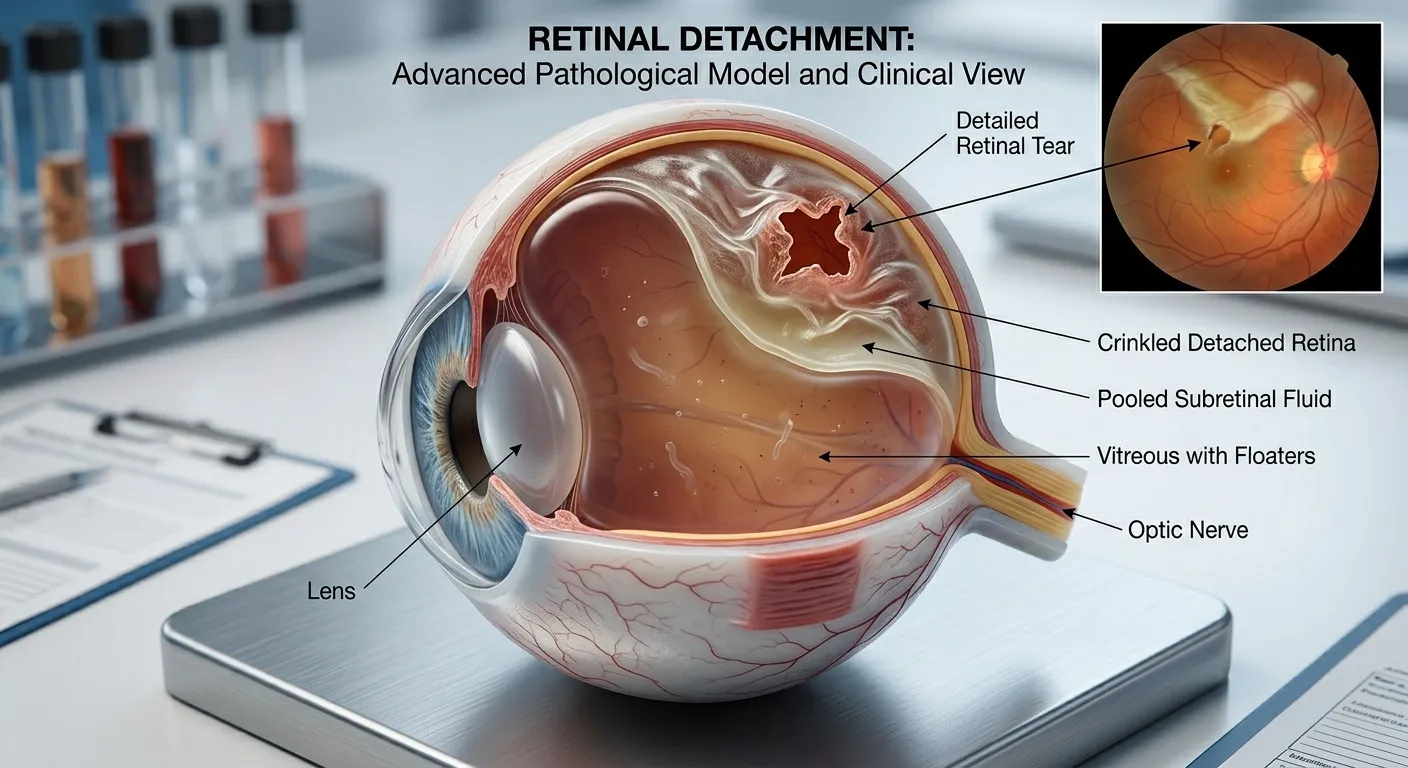
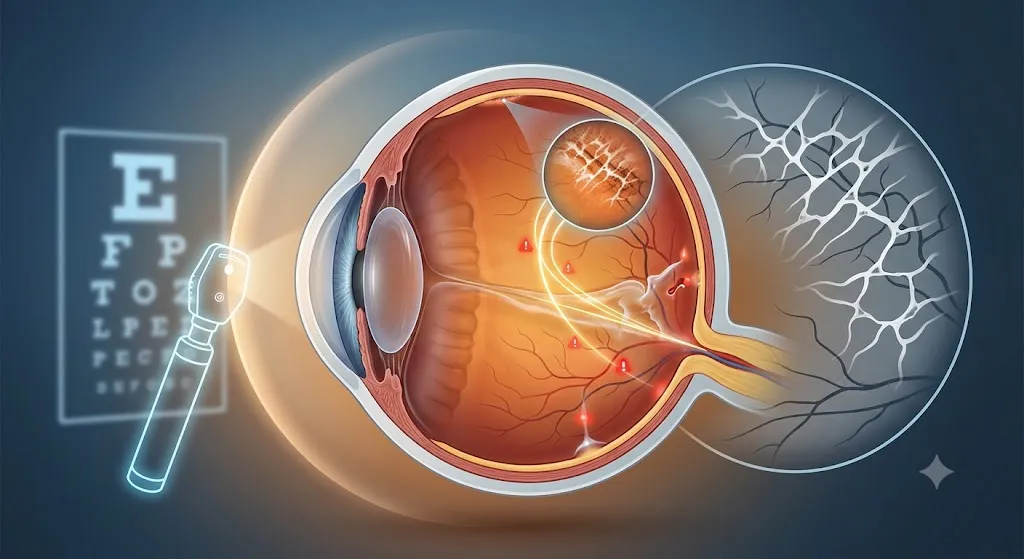
High blood sugar levels can damage the tiny blood vessels in the retina, the light-sensitive tissue at the back of the eye. This damage may begin long before symptoms appear. As a result, people with diabetes can develop serious eye conditions without realizing it.
Some of the most common diabetes-related eye conditions include:
1. Diabetic retinopathy
2. Diabetic macular edema (DME)
3. Cataracts
4. Glaucoma
Early detection is essential because treatment is often most effective before vision loss occurs.
Can Eye Damage Occur Without Symptoms?
Yes. In the early stages of diabetic eye disease, many patients experience no noticeable symptoms. Vision may remain clear even while damage is progressing inside the eye.
Warning signs that may appear later include:
1. Blurred vision
2. Floaters or dark spots
3. Difficulty seeing at night
4. Fluctuating vision
5. Partial vision loss
Because symptoms may not appear until the disease has advanced, relying on vision changes alone can delay diagnosis and treatment.
Why Regular Diabetic Eye Exams Matter?
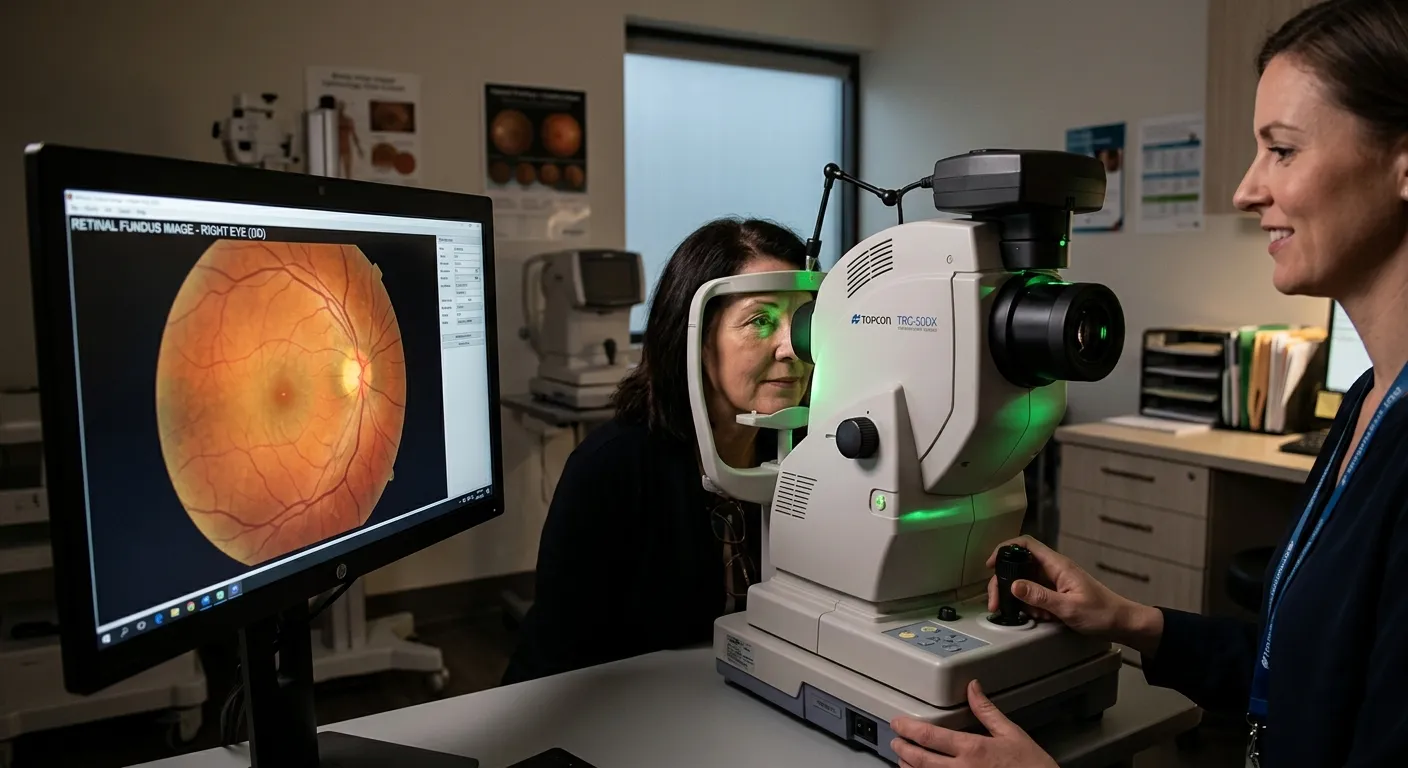
Comprehensive dilated eye exams allow eye specialists to detect retinal damage before it affects sight. During the exam, your ophthalmologist can identify early signs of diabetic retinopathy and other eye complications.
Benefits of regular diabetic eye exams include:
1. Early detection of retinal changes
2. Prevention of severe vision loss
3. Timely treatment when needed
4. Monitoring of disease progression
5. Better long-term eye health outcomes
These exams are a key part of protecting your vision if you have Type 1 or Type 2 diabetes.
How Often Should People With Diabetes Have Eye Exams?
The frequency of eye exams depends on your age, diabetes type, and overall eye health. In general:
1. Adults with diabetes should have a comprehensive dilated eye exam at least once a year.
2. More frequent visits may be recommended if diabetic retinopathy is present.
3. Pregnant women with diabetes may need additional eye monitoring.
4. Individuals with rapidly changing blood sugar levels may require closer follow-up.
Your eye doctor can recommend an examination schedule based on your individual risk factors.
Steps to Protect Your Vision
Along with regular eye exams, healthy diabetes management can reduce the risk of eye complications.
Consider these preventive measures:
1. Maintain healthy blood sugar levels.
2. Control blood pressure and cholesterol.
3. Follow your diabetes treatment plan.
4. Exercise regularly.
5. Avoid smoking.
6. Schedule annual comprehensive eye examinations.
Taking these steps can help preserve vision and support overall eye health.
Wrapping Up
Diabetes can affect your eyes long before vision changes become noticeable. Silent damage to the retina may progress without symptoms, making routine eye examinations one of the most effective ways to protect your sight. If you have diabetes, do not wait for blurry vision or other warning signs to appear. Regular eye exams, combined with good blood sugar control, can help detect problems early and reduce the risk of long-term vision loss.

























Sign in to leave a comment.