
Introduction
Recovery has become a business in its own right. What used to be an afterthought tacked onto a gym membership is now a dedicated experience that clients seek out, pay for, and talk about with the same enthusiasm they reserve for a great workout. At the center of this shift sits a piece of equipment that was once considered fringe: the cold plunge tub. What started as a niche practice among elite athletes has grown into a mainstream wellness staple, and commercial gyms, spas, physical therapy clinics, and recovery studios are racing to keep up with demand.
But not all cold plunge tubs are created equal. A tub built for a single household is not designed to withstand the daily wear of dozens of users, back to back sessions, and the hygiene standards that a commercial setting requires. This is where premium commercial cold plunge tubs earn their place. They are engineered for durability, consistent temperature control, and the kind of user experience that keeps clients coming back. For business owners looking to differentiate their offering, investing in the right cold plunge equipment is no longer optional; it is a competitive necessity.
In this article, we will explore why commercial cold plunge tubs matter, what separates premium models from entry level options, how they fit into a broader recovery strategy, and what business owners should consider before making a purchase.
Why Cold Plunge Therapy Has Become a Recovery Standard
Cold water immersion is not a new idea. Athletes and cultures around the world have used cold exposure for centuries to manage inflammation, ease sore muscles, and sharpen mental focus. What has changed is the scientific attention and public awareness surrounding it. Research on cold water immersion suggests it can help reduce perceived muscle soreness after intense exercise, support faster recovery between training sessions, and provide a jolt to the nervous system that many people describe as clarifying and energizing.
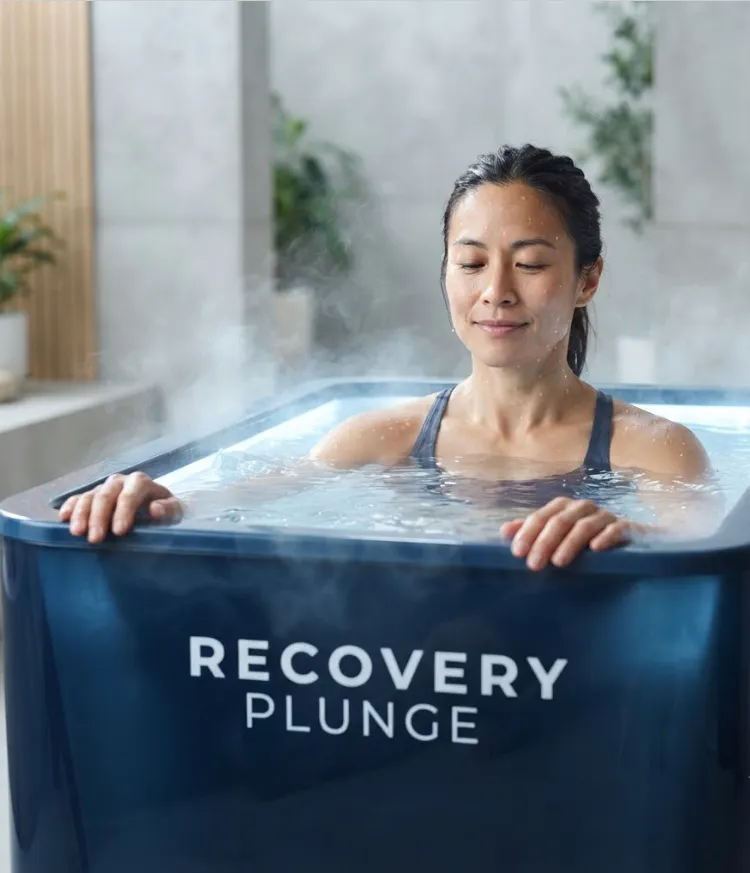
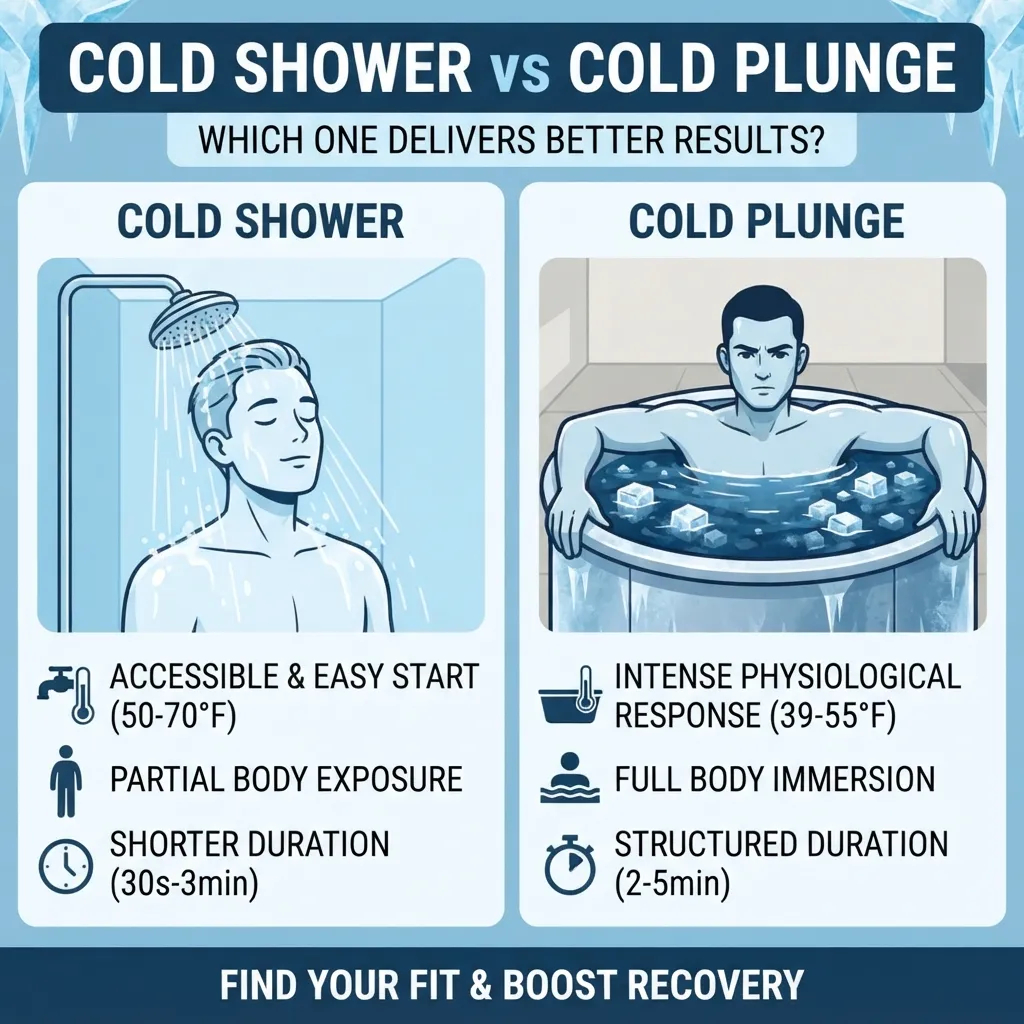
Beyond the physical benefits, there is a psychological component that keeps people returning to the cold. Stepping into water that hovers between 39 and 55 degrees Fahrenheit requires a level of mental discipline that many find rewarding in itself. It becomes a ritual, a way to practice control over discomfort, and for many clients that mental training is just as valuable as the physiological recovery.
This growing body of interest has pushed cold plunge therapy out of niche performance labs and into everyday wellness routines. Gyms now market recovery zones the same way they once marketed cardio equipment. Spas position cold plunge as a companion to sauna and steam. Physical therapy clinics use it as part of structured rehabilitation protocols. Because the demand spans so many types of businesses, the equipment behind it has had to evolve just as quickly.
For a business, offering cold plunge therapy is no longer just a trend to chase. It is becoming an expected amenity, similar to how a hot tub or sauna became standard in higher end fitness facilities over the past two decades. Clients increasingly ask about recovery amenities before signing up for a membership, and a well maintained cold plunge setup can be a deciding factor.
What Sets Premium Commercial Cold Plunge Tubs Apart
There is a meaningful gap between a residential cold tub bought for personal use and a unit designed to serve a commercial client base. Understanding that gap helps explain why the investment in premium equipment pays off over time.
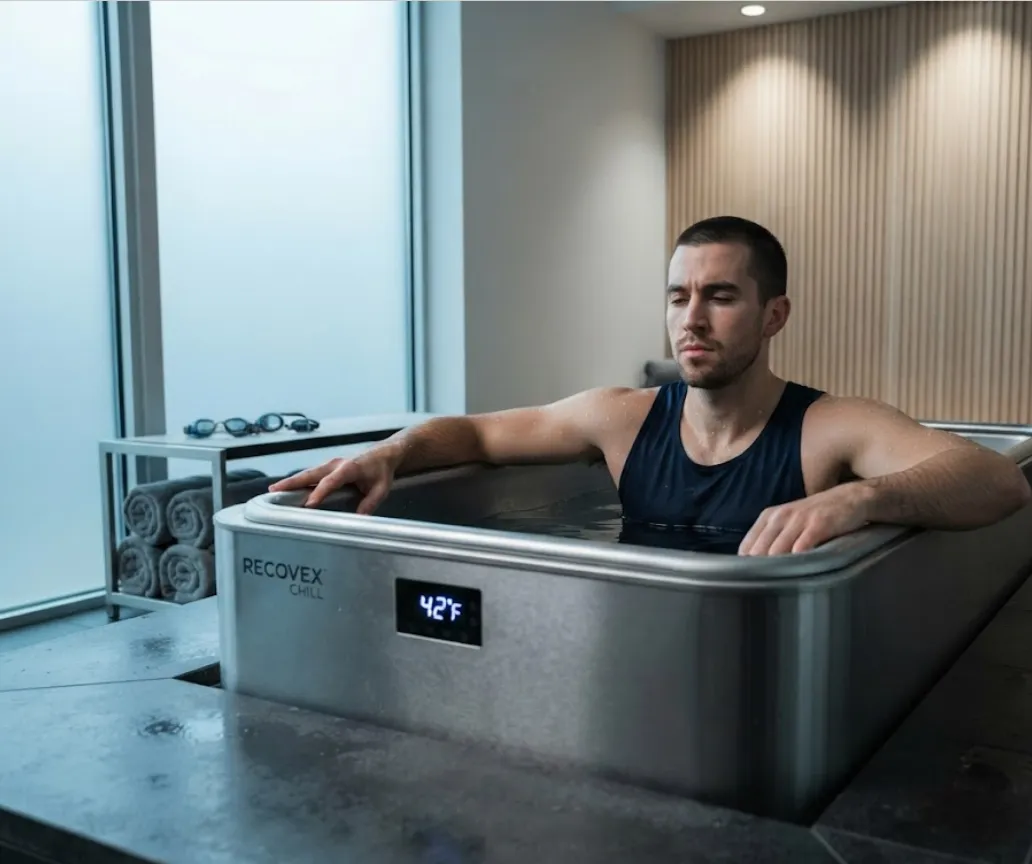
Build quality and durability. Commercial tubs are used far more frequently than home units, often multiple times per hour throughout the day. That level of use demands materials that resist corrosion, cracking, and wear. Premium models typically use marine grade or medical grade materials such as stainless steel shells, reinforced acrylic, or high density polyethylene, paired with commercial grade insulation to maintain temperature efficiency even with constant use.
Filtration and water treatment systems. Hygiene is one of the biggest concerns when multiple people share the same water source. Premium commercial units come equipped with robust filtration systems, often multi stage, combined with ozone or UV sanitation technology that reduces reliance on harsh chemicals while keeping water clean between uses. This is a critical differentiator, since a business cannot afford the reputational and health risks associated with poorly maintained water.
Precise temperature control. Consistency matters enormously in a commercial setting. Clients expect the water to be at the same temperature every time they step in, whether that is their first session of the day or their last. Premium chillers maintain a stable temperature range even as ambient conditions change and as the tub is used repeatedly, something entry level units often struggle with.
Capacity and throughput. A single tub in a busy facility may need to serve many clients across a day. Premium commercial models are designed with faster recovery cycles, meaning the chiller can bring the water back to target temperature quickly after each use, minimizing downtime between sessions and maximizing the number of clients a facility can serve.
Ergonomics and comfort. Seating angles, depth, entry and exit points, and even the placement of handrails all affect how comfortable and safe the experience feels. Premium designs are shaped with input from physical therapists and athletic trainers, resulting in tubs that accommodate a wider range of body types and mobility levels.
Smart monitoring and controls. Many premium units now include digital displays, app connectivity, or integrated control panels that allow staff to monitor temperature, filtration cycles, and usage remotely. This reduces the burden on staff and helps catch maintenance issues before they become costly problems.
When these features are combined, the result is a piece of equipment that not only performs better but also requires less day to day intervention from staff, freeing up time and reducing operational headaches.
Integrating Cold Plunge Tubs Into a Broader Recovery Program
A cold plunge tub rarely operates in isolation. The businesses seeing the most success with cold therapy are the ones that position it as part of a complete recovery ecosystem rather than a standalone novelty.
Pairing cold with heat. Contrast therapy, alternating between heat exposure such as sauna or steam and cold immersion, is one of the most popular ways clients use cold plunge tubs. The combination is believed to support circulation, reduce inflammation, and create a more dynamic recovery experience than either modality alone. Facilities that place cold plunge tubs near saunas or steam rooms often see higher utilization of both amenities, since clients are drawn in by the ritual of moving between temperatures.
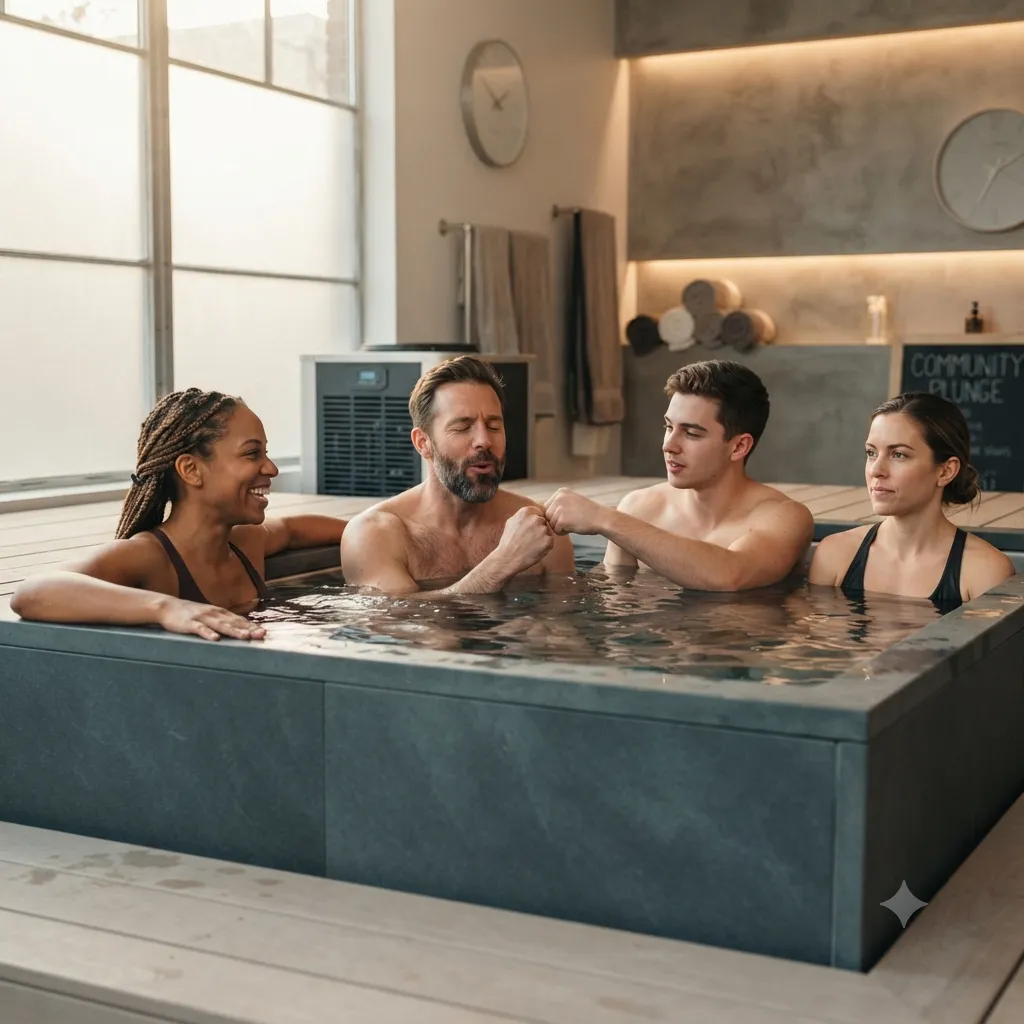
Structuring guided sessions. Some facilities have found success offering guided cold plunge sessions led by a trainer or wellness coach, particularly for new clients who may feel intimidated by the idea of cold immersion. A short introduction on breathing techniques and safe exposure times can turn a hesitant first timer into a regular user.
Connecting recovery to performance tracking. Athletic facilities and physical therapy clinics increasingly tie cold plunge use into broader recovery tracking, using it alongside tools like heart rate variability monitoring or soreness scoring to demonstrate measurable benefits to clients. This data driven approach helps justify the value of the amenity and can support pricing for premium membership tiers.
Creating a dedicated recovery zone. Rather than tucking a cold plunge tub into a corner near the locker room, many successful facilities are designing entire recovery zones, sometimes called wellness suites, that combine cold plunge, sauna, compression therapy, and stretching areas into one cohesive space. This approach transforms recovery from an isolated activity into a destination experience within the facility itself, which can support premium pricing and longer client visits.
The businesses that treat cold plunge as one piece of a larger recovery puzzle tend to see stronger client retention and satisfaction than those that install a single tub and consider the job done.
Practical Considerations Before Investing
Choosing the right commercial cold plunge tub requires more than picking the most expensive option available. Business owners should weigh several practical factors before making a decision.
Space and plumbing requirements. Commercial units vary significantly in footprint, water volume, and electrical or plumbing needs. Some models are plug and play with self contained chillers and filtration, while others require dedicated plumbing lines and drainage. Understanding the space constraints of your facility early in the process prevents costly surprises during installation.
Expected usage volume. A boutique studio with a handful of daily sessions has very different needs than a large gym chain running dozens of sessions per day. Matching the tub's cycle time and filtration capacity to realistic usage projections helps avoid both overspending on unnecessary capacity and underspending on a unit that cannot keep pace with demand.
Maintenance and staffing. Even the most advanced systems require some level of ongoing maintenance, from filter changes to water testing. Facilities should have a clear plan for who will be responsible for upkeep and how much time that will realistically take each week.
Compliance and safety standards. Depending on the region and type of business, there may be health department regulations governing water quality, temperature limits, and signage requirements for shared water facilities. It is worth confirming local requirements before installation to avoid delays or fines later.
Warranty and vendor support. Because commercial cold plunge tubs represent a significant investment, the strength of the manufacturer's warranty and the availability of responsive customer support should factor heavily into the decision. A well built tub with poor support can become a liability if something breaks and repairs are delayed.
Return on investment timeline. Many facilities incorporate cold plunge access into premium membership tiers, day pass pricing, or add on services, which can help offset the upfront cost. Modeling out how the amenity will generate revenue, whether through increased membership value, higher retention, or standalone bookings, helps clarify the true cost benefit picture.
Taking the time to evaluate these factors thoroughly before purchasing ensures that the investment supports the business's goals rather than becoming an underused or poorly maintained asset.
Conclusion
Cold plunge therapy has moved well past its origins as a niche practice for elite athletes. It is now a recognized, expected part of modern recovery culture, and businesses that want to compete in fitness, wellness, and rehabilitation spaces need equipment that can meet client expectations reliably, day after day. Premium commercial cold plunge tubs deliver on that promise through superior build quality, advanced filtration, precise temperature control, and thoughtful design that supports both client comfort and staff efficiency.
Choosing the right unit is not just about buying a tub; it is about building an experience that clients trust and return to, one that fits seamlessly into a broader recovery program and reflects the standards your business wants to be known for. The facilities that get this right are setting the new benchmark for what recovery looks like, and the ones that hesitate risk falling behind as client expectations continue to rise.



























Sign in to leave a comment.